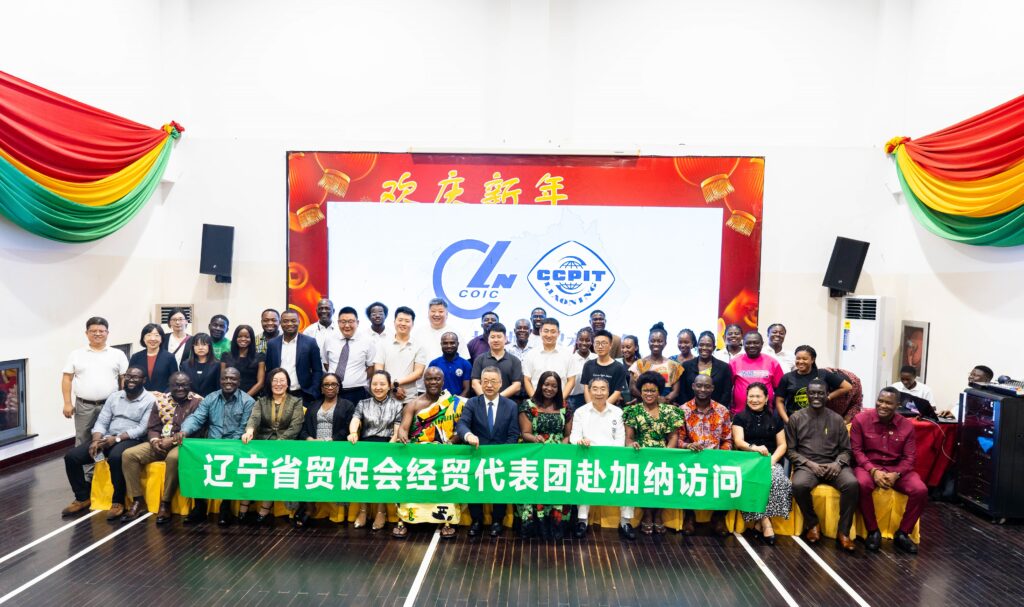







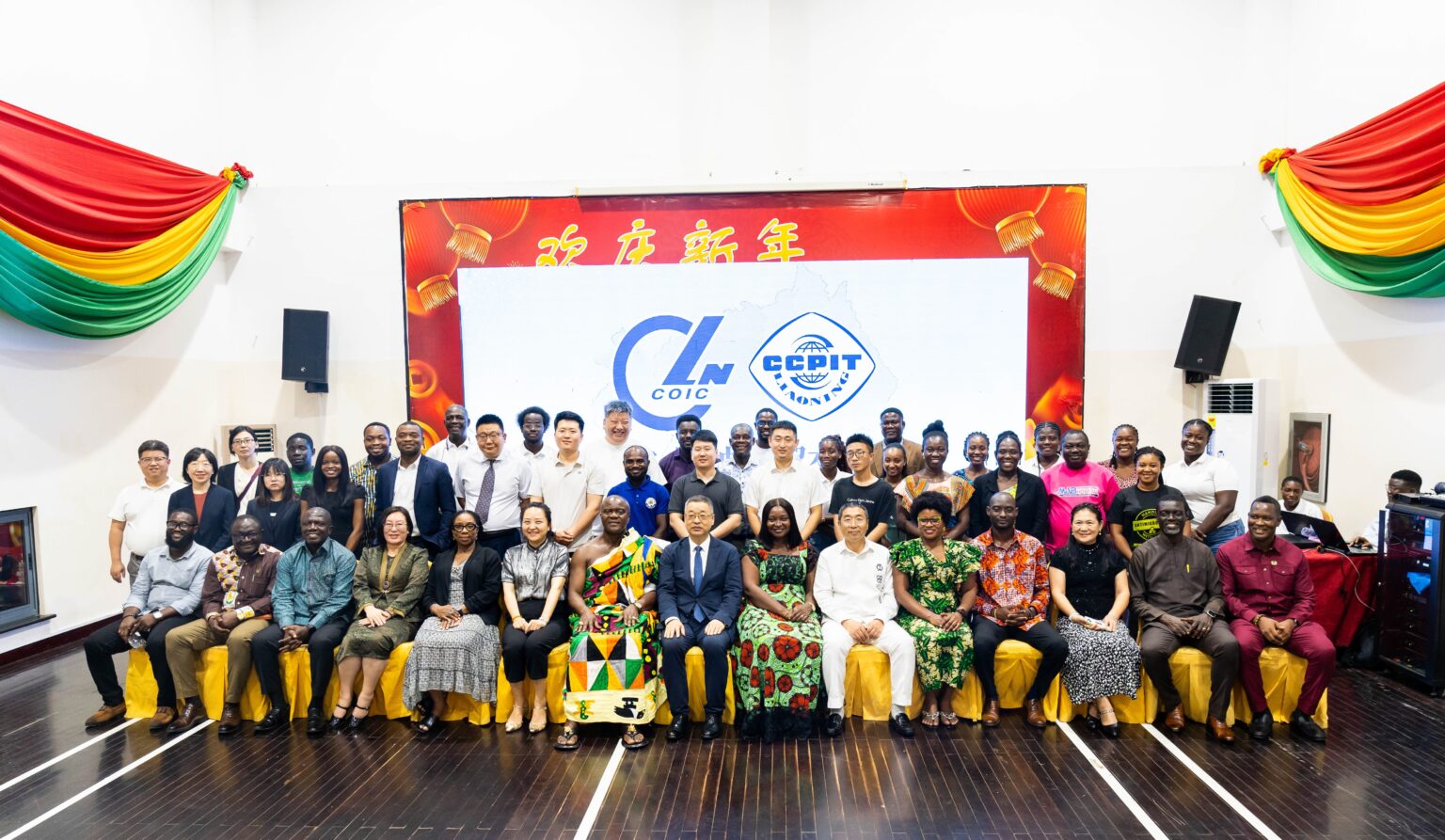


The Health Community of West Africa Association played a central role in a high-level Liaoning–Ghana Economic and Trade Exchange Meeting held on Friday, 24th April, at GS Plaza Hotel in Accra 2026 bringing together government officials, health sector regulators and industry leaders to deepen cooperation in healthcare innovation, trade, and industrial development between Ghana and Liaoning Province of China.
The meeting formed part of a broader push to strengthen sub-national collaboration under Ghana–China relations, with a strong emphasis on health systems development, pharmaceutical manufacturing and investment-led industrial transformation.

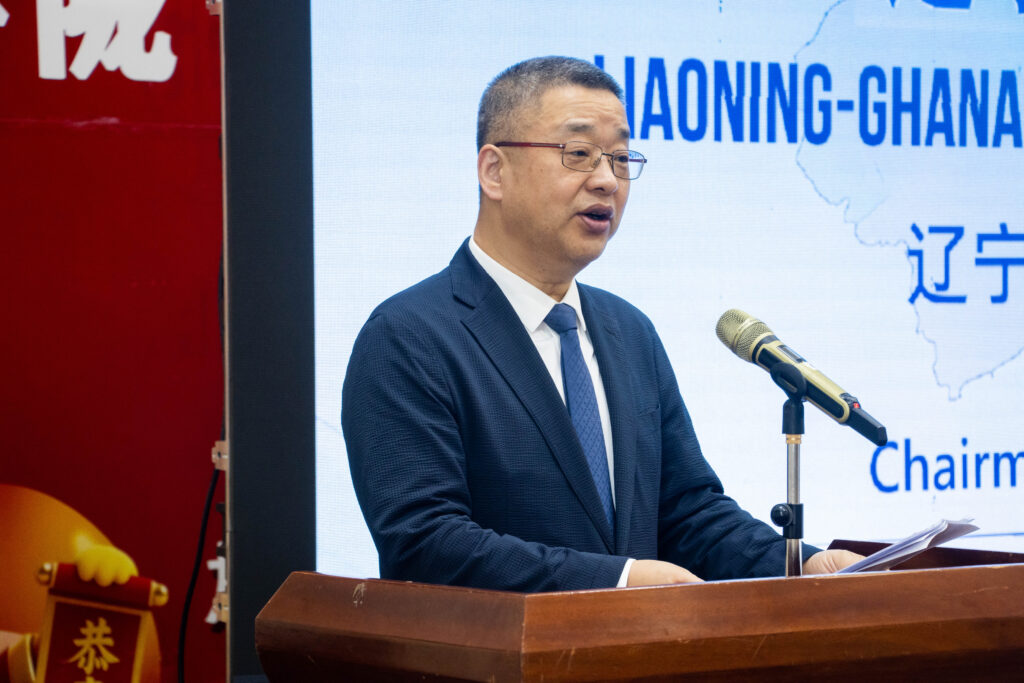
The meeting opened with remarks from Mr. Pang Baoguo, Chairman of the CCPIT Liaoning Sub-Council, who reaffirmed Liaoning Province’s commitment to strengthening friendly exchanges with Ghana across multiple sectors. He emphasized mutual benefit through expanded investment cooperation, noting that the platform served as a catalyst for “win-win results” between both regions. His address set the tone for a session focused on practical partnerships rather than symbolic diplomacy.
Representing Ghana’s Ministry of Trade, Agribusiness and Industry, Dr. Frank Edem Kofigah welcomed the Liaoning delegation and described the gathering as a timely intervention in an increasingly competitive global economic landscape. He highlighted Ghana’s strategic intent to reposition itself from a raw material exporter to a value-added industrial hub.
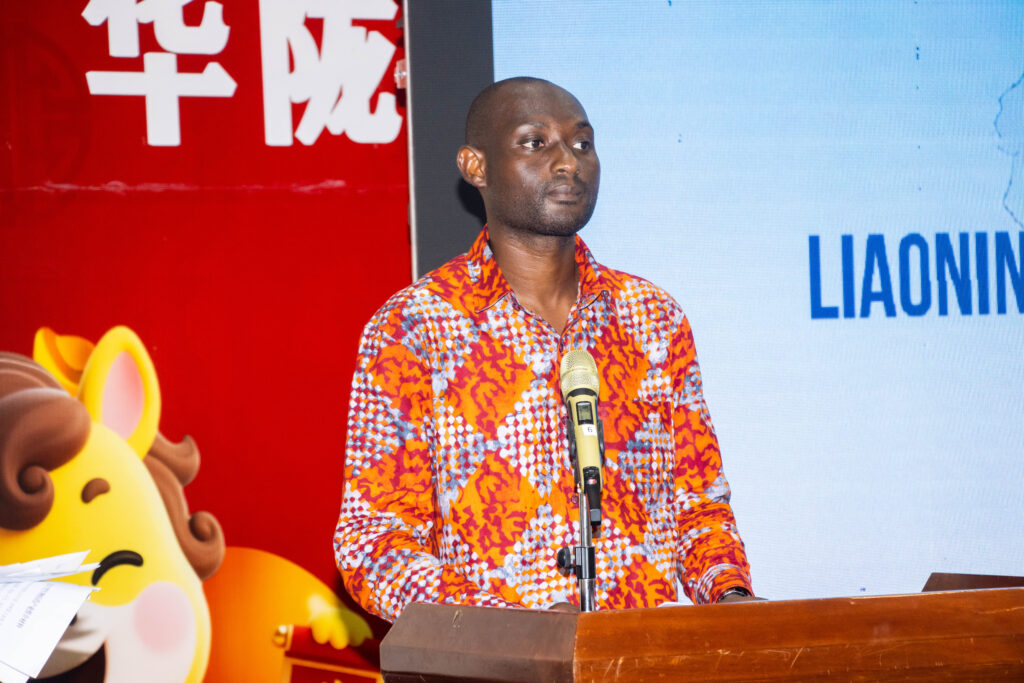
Dr. Kofigah outlined the importance of aligning key national institutions—including the Ministry of Trade, Agribusiness and Industry, Ghana Export Promotion Authority, Ghana Free Zones Authority, Ghana Investment Promotion Centre (GIPC) and regulatory bodies such as the Food and Drugs Authority and Ghana Standards Authority (GSA)—to support structured investment cooperation. He stressed that Ghana-China relations, long anchored in frameworks such as the Forum on China-Africa Cooperation (FOCAC), are now entering a phase defined by industrial transformation, productivity, and technology transfer.
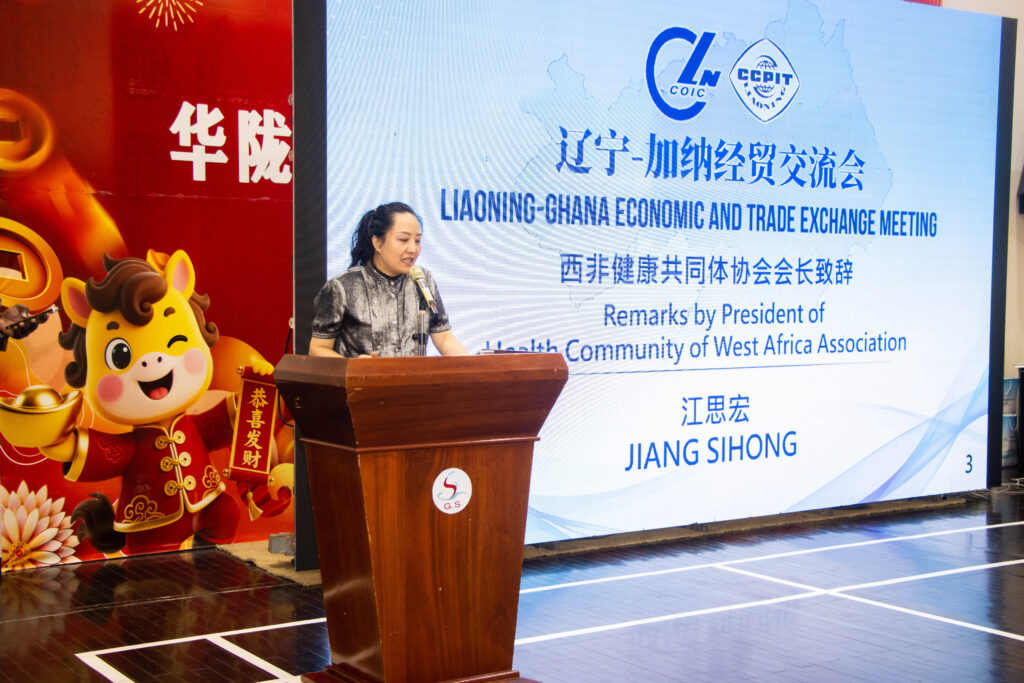
A strong focus of the meeting was the health and medical sector, where Madam Anna Sihong Jiang, President of the Health Community of West Africa Association, outlined emerging trends shaping healthcare delivery in the region. She identified three key developments: the rapid rise of digital healthcare, strengthening of primary healthcare systems, and the gradual expansion of local medical manufacturing industries.
She extended an open invitation to Liaoning medical enterprises to participate in West Africa’s evolving health market, particularly through localized production of pharmaceuticals and medical devices. According to her, the association is committed to facilitating policy navigation, market access, and institutional partnerships to ensure sustainable cooperation.
“The medical cooperation between Liaoning and West Africa will bear fruitful results through joint effort,” she stated, emphasizing the role of structured collaboration in improving healthcare access and affordability.
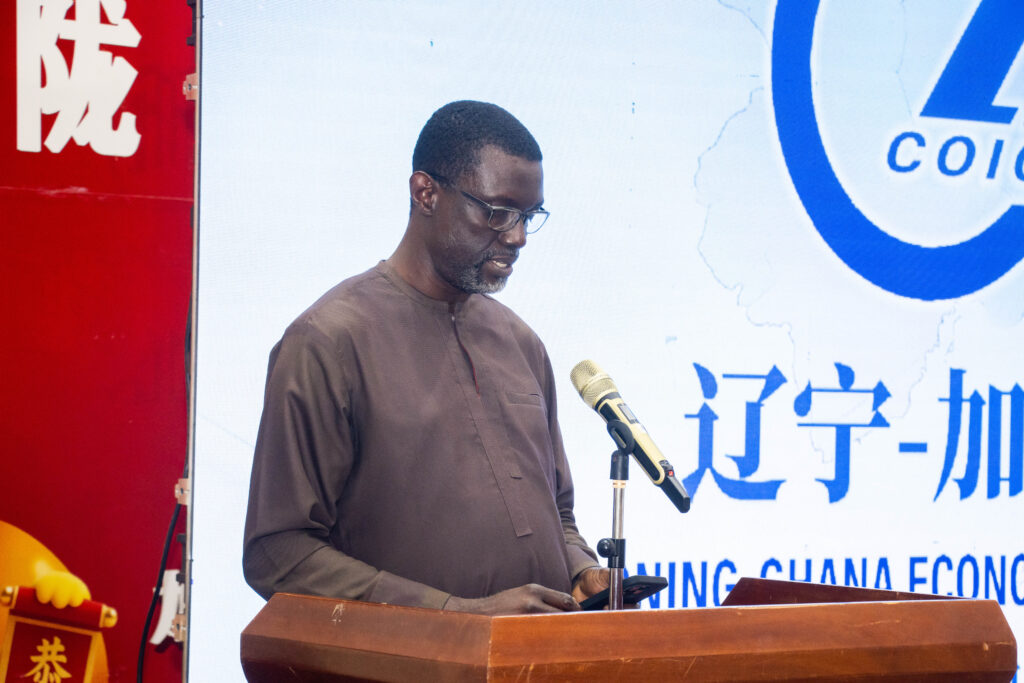
Adding a regulatory and academic dimension to the discussions, Reverend Tony Oduro, Head of HR at TMPC, speaking on behalf of Dr. Yakubu Tobor Yusuf, Registrar of TMPC, expressed strong institutional readiness to support the partnership. He noted that Ghana’s traditional medicine ecosystem, combined with Liaoning’s scientific and technological expertise, presents a unique opportunity for pharmaceutical innovation.
TMPC pledged full administrative and regulatory support for joint ventures, research initiatives, and exchange programs aimed at reducing operational barriers and fostering sustainable cooperation. The vision, he noted, is to develop medical products capable of serving both domestic and international markets.
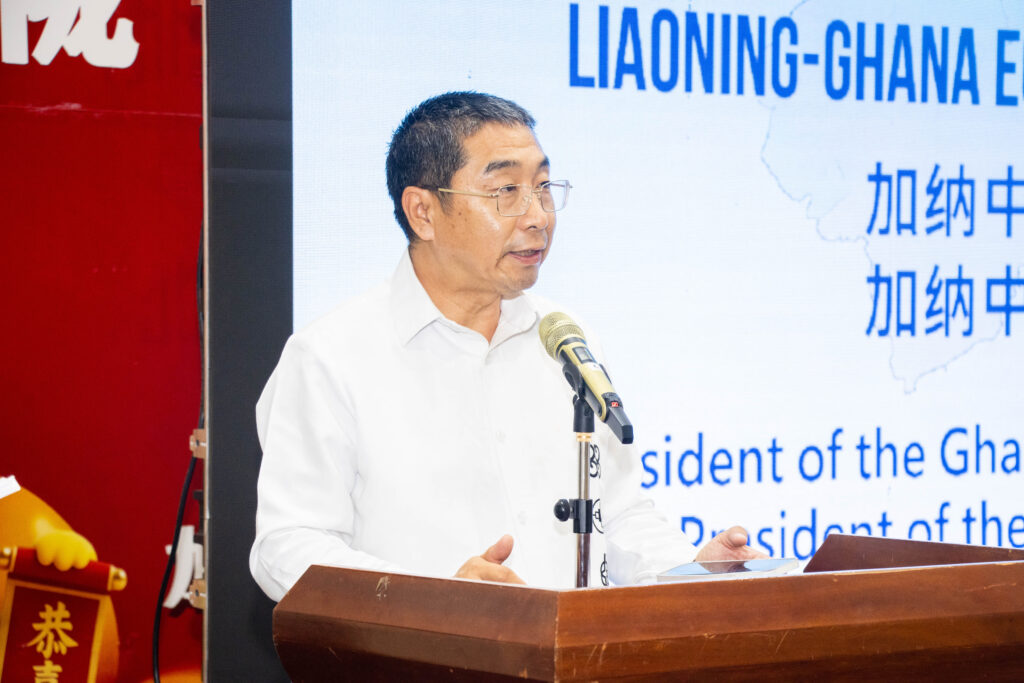
From the private sector perspective, Mr. Yan Liquan, President of the Ghana China Northeast Chamber of Commerce and the Ghana Chinese Entrepreneurs Association, emphasized the importance of long-term trust and structured collaboration. He noted that the compatibility of both industrial ecosystems presents significant opportunities, particularly in medical services and manufacturing.
Mr. Yan stressed that international business cooperation must go beyond transactions to focus on risk management, standardized operations, and sustainable engagement. He further encouraged stronger collaboration with Ghanaian enterprises to jointly explore wider regional markets through resource sharing and complementary strengths.
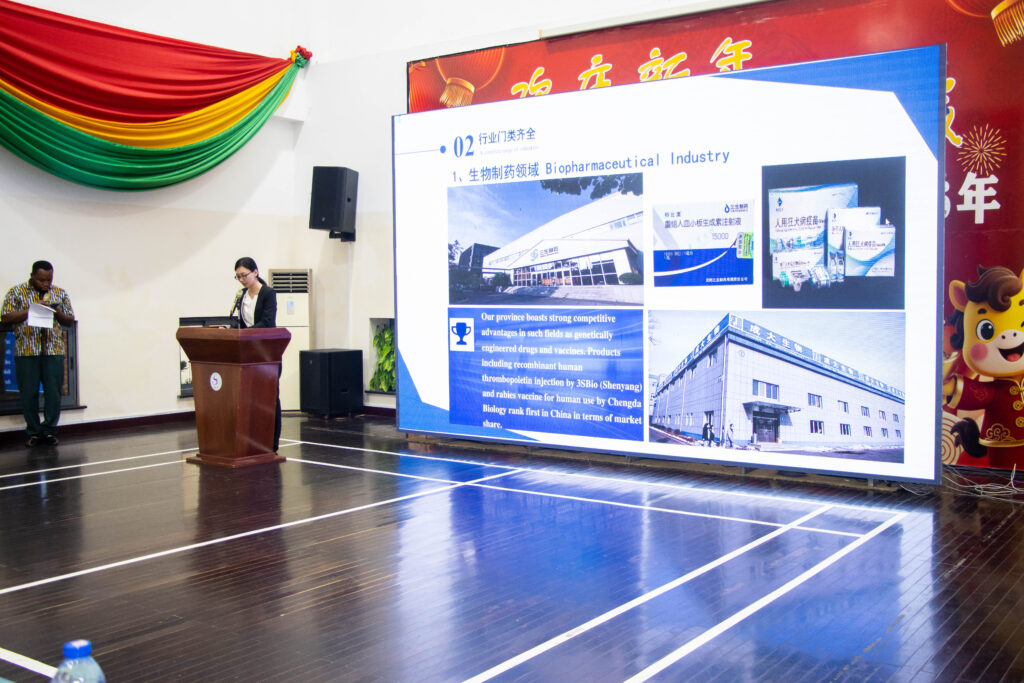
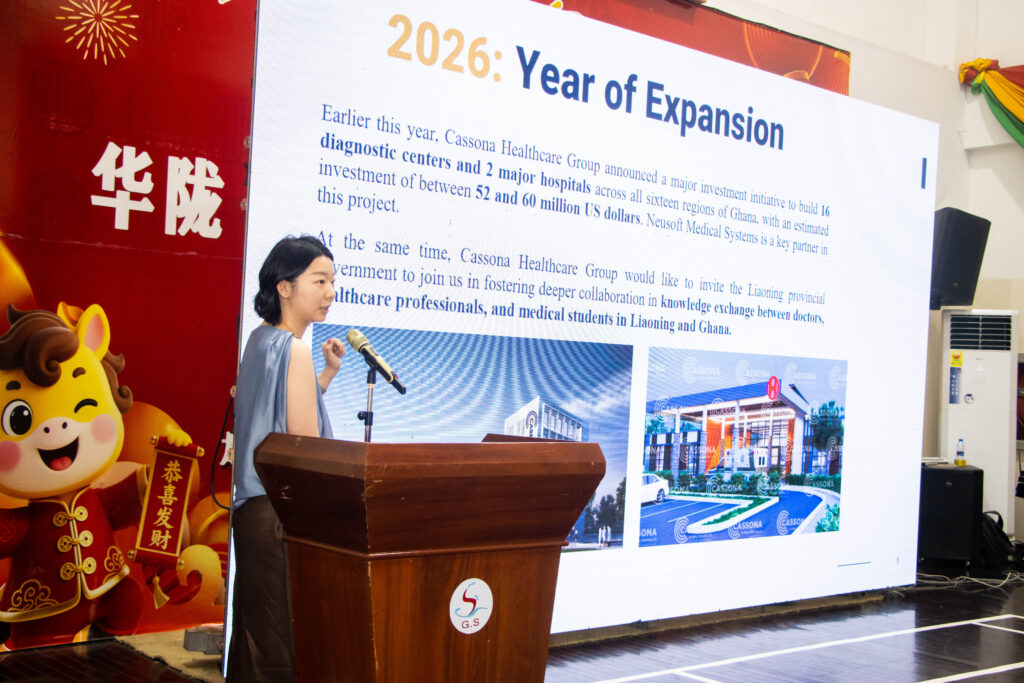
The event also featured enterprise presentations, including a promotional showcase of Liaoning Province’s biopharmaceutical industry and a presentation highlighting the development potential of Gomoa East in Ghana’s Central Region, emphasizing how strategic investment partnerships could accelerate local infrastructure and industrial growth.
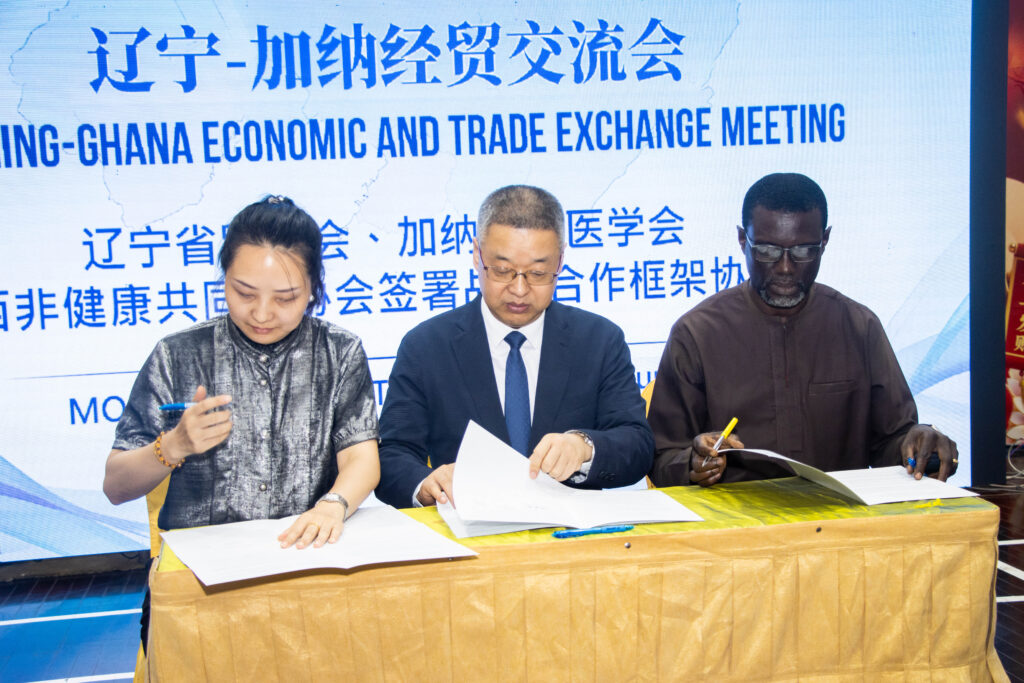
A major highlight of the meeting was the signing of two strategic agreements. The first was a Framework Cooperation Agreement between the CCPIT Liaoning Sub-Council, the Ghana Traditional Medicine Association, and the Health Community of West Africa Association. The second established the Ghana International Joint Health R&D Innovation Center between Ghana Essence Medical Laboratory & Health Screening Centre and Shenyang Mongolian Medicine Jishi Health Management Co., Ltd. The signing ceremony was witnessed by Mr. Pang Baoguo and representatives from both Ghanaian health institutions and West African health stakeholders.
The meeting concluded with a group photograph and networking session, where participants engaged in direct discussions on investment opportunities, technical cooperation, and future exchange programs.
Ultimately, the engagement underscored the growing strategic role of the Health Community of West Africa Association and Liaoning Province in shaping a new phase of cooperation focused on healthcare innovation, medical industrial development, and cross-regional knowledge exchange—laying a foundation for sustained partnership with long-term regional impact.