








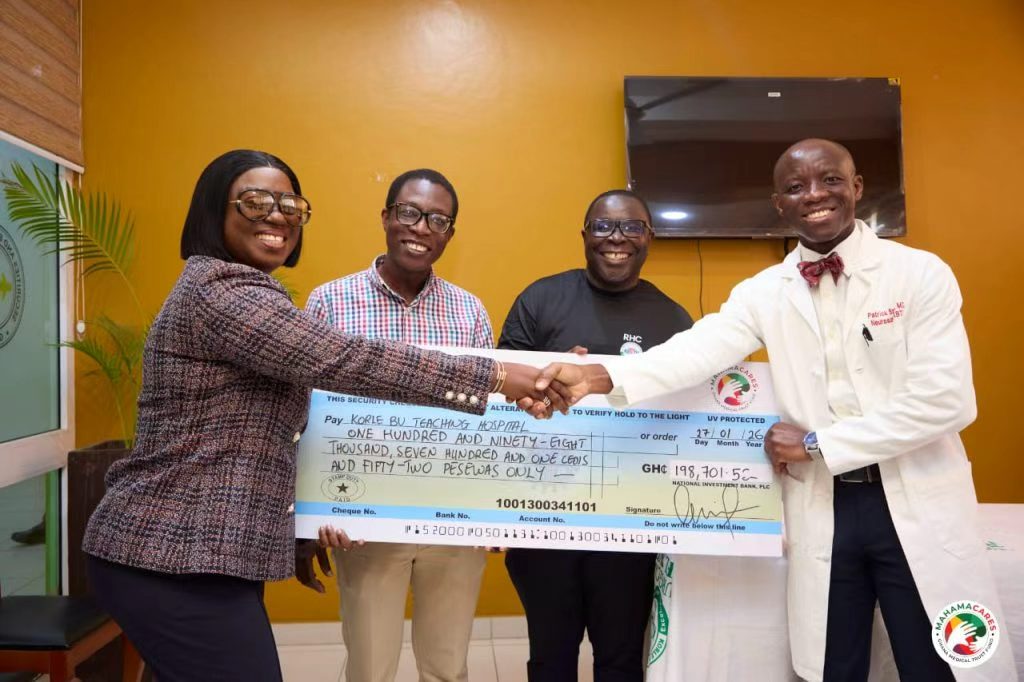


In a heartening development for Ghanaians battling life-threatening illnesses, the Ghana Medical Trust Fund has begun its pilot phase, providing much-needed financial support to critically ill patients who otherwise could not afford the high cost of care. The initiative, part of a broader effort to improve access to quality health services, has already given seven patients a renewed chance at life through full payment of their urgent medical bills.
Among the beneficiaries are two infants under the age of two and a four-year-old child receiving treatment for congenital heart defects at the cardiothoracic centre of a major teaching hospital. Additional patients supported include a 12-year-old girl and a 53-year-old man who required urgent neurosurgical procedures interventions that would have been financially out of reach for their families.
At the University of Ghana Medical Centre, the Fund also stepped in to cover the medical expenses of a 25-year-old man diagnosed with ischaemic heart disease, offering him a pathway to life-saving treatment. In another powerful case, a 36-year-old midwife who had appealed publicly for help received full funding for complex brain surgery a procedure that carried an extremely high cost and was critical for saving her life.
The Ghana Medical Trust Fund popularly referred to as “Mahama Cares” was established to support Ghanaians facing severe, high-cost chronic conditions such as cancer, kidney failure, and cardiovascular diseases. These are conditions that are often only partially covered, or not covered at all, under the National Health Insurance Scheme, leaving families with overwhelming financial burdens.
Fund administrators have explained that the current pilot phase is designed to test operational systems and service delivery processes ahead of full national implementation. The pilot is expected to support cases drawn from across all regions of the country, ensuring fairness, efficiency, and accountability in access to care.
Health officials have emphasised that no Ghanaian should suffer or lose their life simply because they cannot afford essential medical treatment. As the pilot continues, its impact is already being felt by families and communities offering not just medical care, but renewed hope, dignity, and the promise of a more equitable healthcare system for the nation.
Source: GhanaWeb


