








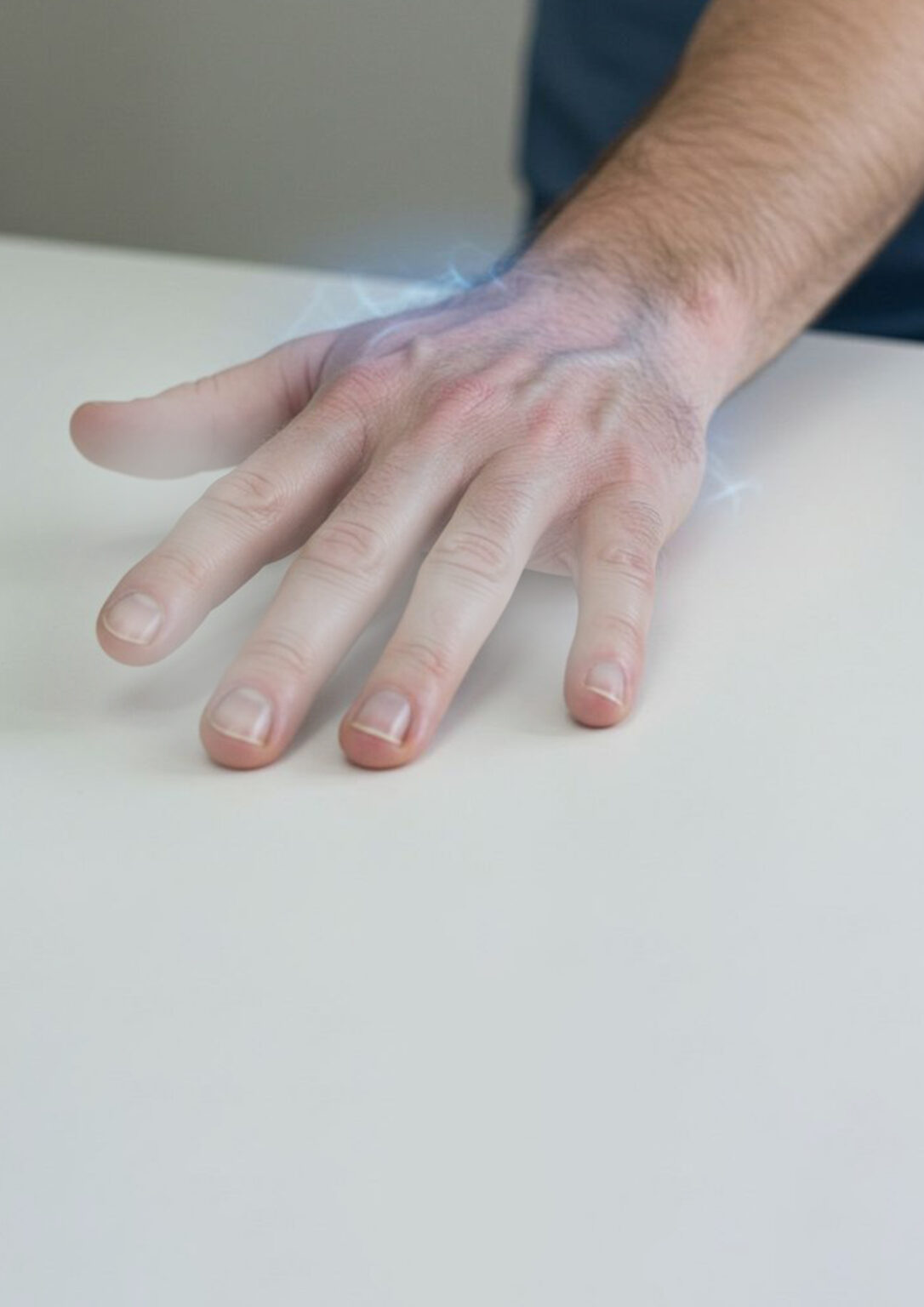


Parkinson continues to affect nearly 10 million people worldwide, making it the second most common neurodegenerative disorder after Alzheimer’s disease. Although there is currently no cure, recent scientific breakthroughs are reshaping how the condition is detected and managed, offering new hope for earlier intervention and improved quality of life.
The disease develops when nerve cells in the brain’s basal ganglia gradually break down, leading to a decline in dopamine production. Dopamine is a key chemical responsible for smooth and coordinated movement. As levels drop, patients often experience resting tremors, muscle rigidity, slowed movement, and balance problems. Importantly, non-motor symptoms such as loss of smell, constipation, depression, and sleep disturbances may appear many years before movement issues become obvious.
For decades, diagnosis depended largely on visible motor symptoms, meaning many cases were identified only after significant brain damage had already occurred. This is now changing. A newly approved synuclein skin biopsy test can detect abnormal alpha-synuclein protein in skin nerve fibers, a key biological marker linked to Parkinson’s. This minimally invasive test allows clinicians to identify the disease much earlier—potentially years before severe motor symptoms develop—creating opportunities for earlier treatment and better long-term outcomes.
Treatment approaches are also advancing. While levodopa remains the gold-standard medication for symptom control, newer therapies such as continuous drug infusion systems and focused ultrasound techniques are improving management of tremors and motor fluctuations. Deep brain stimulation continues to provide relief for patients with advanced or treatment-resistant symptoms.
Beyond medication, research increasingly highlights the role of lifestyle interventions. High-intensity aerobic exercise, such as cycling at 80–85% of maximum heart rate, may help slow disease progression by supporting dopamine-producing neurons. In addition, targeted physiotherapy that emphasizes large, exaggerated movements can improve balance, flexibility, and overall mobility, reducing the risk of falls.
Scientists are also investigating gene therapies and immunotherapies that target alpha-synuclein accumulation. Early clinical findings suggest these approaches could modify disease progression rather than just manage symptoms.
While a definitive cure remains out of reach, the combination of earlier diagnosis, innovative therapies, and proactive lifestyle strategies is transforming Parkinson’s into a more manageable and potentially slower-progressing condition.
Source: Parkinson’s Foundation; National Institute of Neurological Disorders and Stroke (NINDS)


