








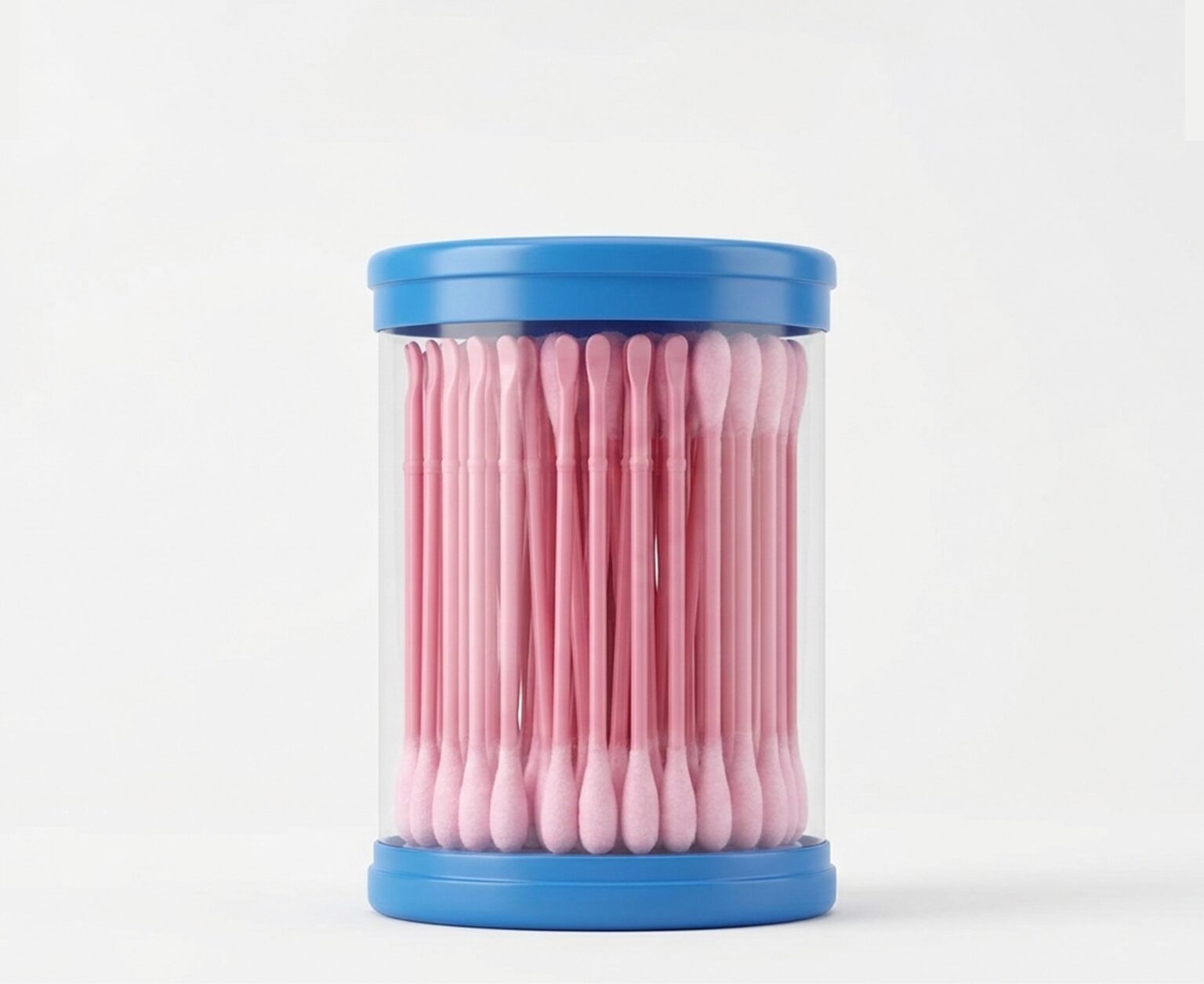


It is a ritual as common as brushing your teeth. That feeling of fullness or an errant itch sends us rummaging for a cotton swab, driven by the deep-seated belief that a clean ear is a wax-free ear. The truth is that earwax, clinically known as cerumen, is far from being a sign of dirt. It is, in reality, a sophisticated and hard-working substance your body produces specifically to protect your ear. Think of it not as a mess to be cleaned, but as a dedicated guardian stationed to protect.
Its primary mission is to act as a sticky trap, catching the endless barrage of dust, pollen, and microscopic debris that floats through the air, preventing these particles from embarking on a journey that could damage the sensitive eardrum. This physical barrier is just the first line of defense. Earwax also possesses natural antibacterial and antifungal properties, creating an environment within the ear canal that is inhospitable to microbes that could cause painful infections. Furthermore, it serves as a natural lubricant, preventing the thin skin of the ear canal from becoming dry, itchy, and cracked.
Our ears are designed to be self-cleaning, utilizing the slow, spiraling growth of skin cells to gently migrate old, dried wax from the eardrum towards the outer ear, where it ultimately flakes away unnoticed. The problem arises when we intervene. When we take a cotton swab and probe into the canal, we are not extracting the wax so much as we are undermining the entire system. We aggressively scrape the delicate lining, causing irritation and micro-tears that invite infection. Most critically, we take the wax that is meant to be migrating out and instead pack it deep into the canal, compressing it against the eardrum into a hard, painful plug that can muffle sound and require a doctor’s visit to resolve.
So what is the proper approach to ear hygiene? For the vast majority of people, it is simply to do nothing at all. The small amount of wax you see at the very opening of your ear is the old wax that has successfully completed its journey and is ready to be wiped away with a washcloth during your regular shower. Resist the urge to dig. Respect the intricate, self-sustaining system your body has created. The only time to seek help is if you experience symptoms of a blockage, such as sudden hearing loss, pain, or a persistent feeling of fullness. In those cases, a medical professional can safely remove the impaction. Otherwise, the kindest and healthiest thing you can do for your ears is to leave them alone and trust the very clever guardian nature has put in place.


