








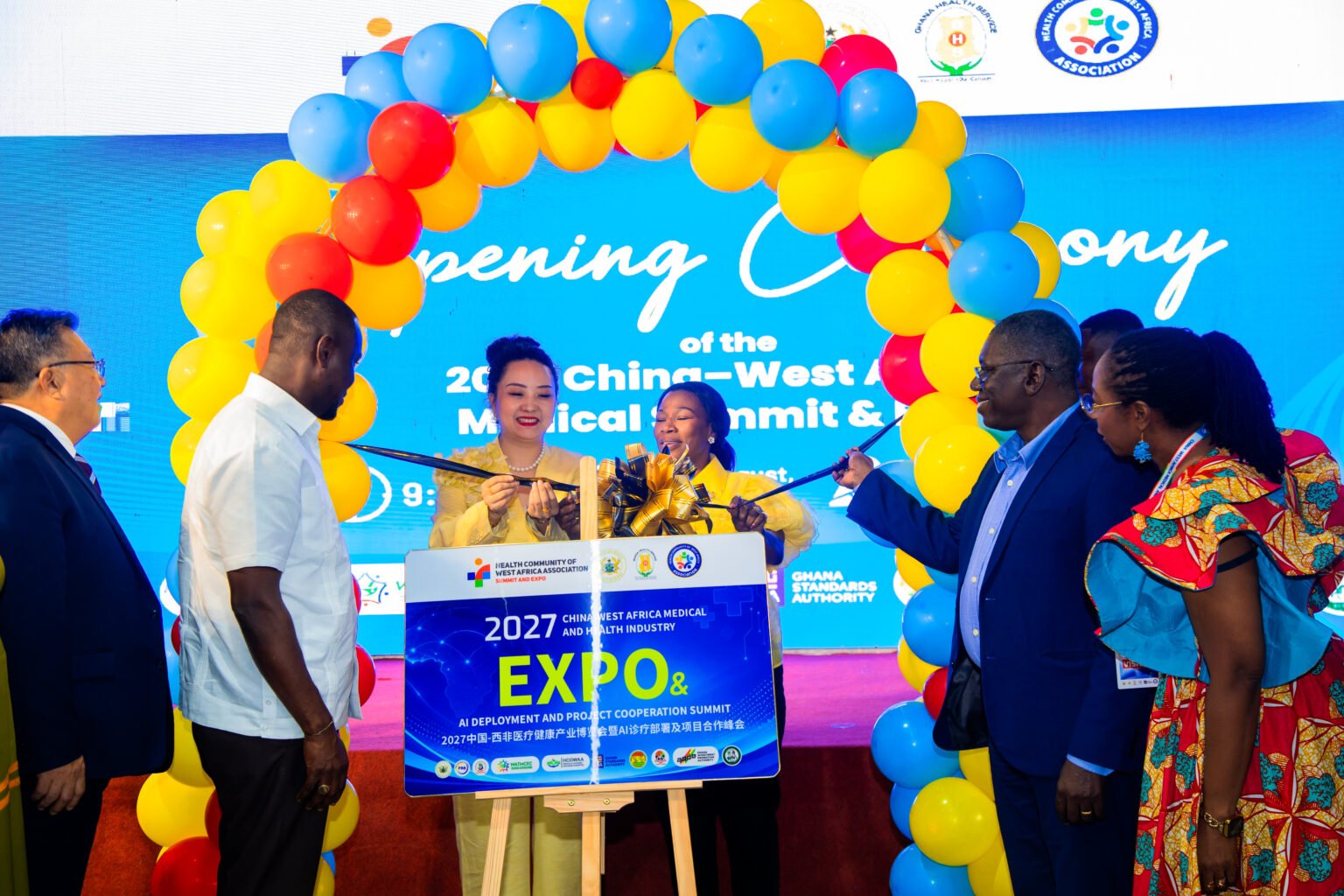


The 2026 China–West Africa Medical and Health Industry Expo and AI Deployment and Project Cooperation Summit has officially opened in Accra, bringing together healthcare professionals, government representatives, businesses, investors, exhibitors and industry players from Ghana, China and across West Africa.
Organised by the Health Community of West Africa Association, the three-day event is being held at the Ghana International Mall under the theme, “Deepening AI Deployment: Empowering Health in West Africa and Reshaping the Development Landscape.”

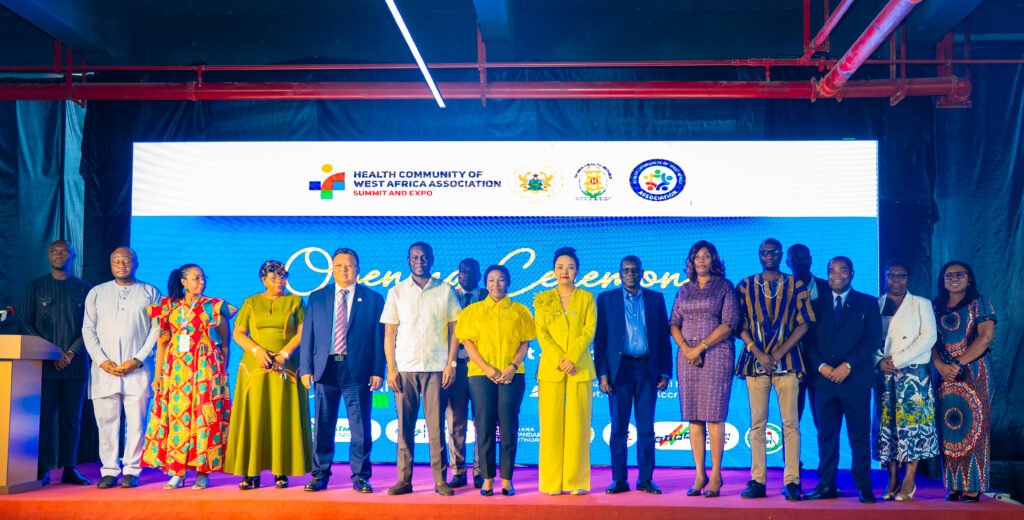
The opening ceremony brought together merchants and exhibitors showcasing products and services across different areas of healthcare, while creating an opportunity for participants to explore partnerships and new ways of improving healthcare delivery in the region.
Among the exhibits are laboratory equipment and testing solutions, medical devices, healthcare technology, medicines, herbal and Ayurvedic products, dental equipment and other healthcare products and services.
Delivering a special address, Deputy Minister for Health, Hon. Prof. Grace Ayensu-Danquah, said the theme of the gathering was timely as healthcare continues to change rapidly.


She said developments in artificial intelligence, digital health, medical technology, biotechnology and data science are creating new possibilities for preventing, identifying and treating illnesses, as well as improving the way health facilities operate.
However, she stressed that Ghana and the wider West African region must remain focused on using these developments to address real health challenges and improve people’s lives.
She highlighted Ghana’s Free Primary Healthcare programme, whose first phase covers 150 underserved districts and includes screening for hypertension, diabetes and cancer, maternal and child healthcare, immunisation and treatment of common illnesses.

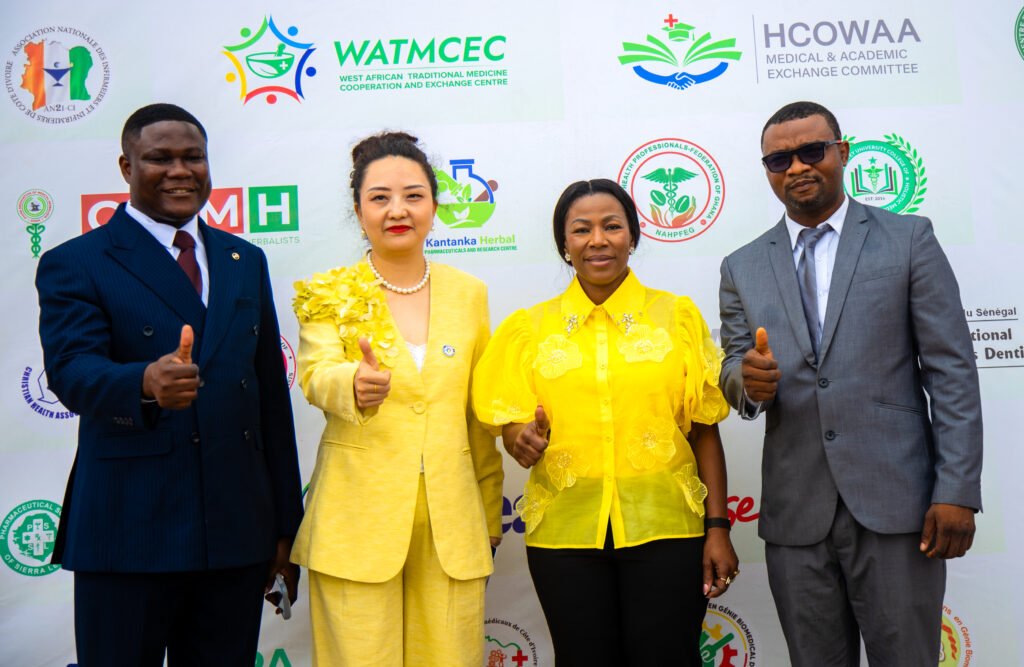
The Deputy Minister also disclosed that 24,534 pieces of medical equipment had been produced to strengthen healthcare services at the primary level.
She noted that technology could help with early detection of diseases, medical imaging, health planning and other areas of healthcare, but cautioned that it must be introduced responsibly.
According to her, new technologies should be safe, properly tested, affordable and suitable for Ghana’s healthcare system. They should also support healthcare professionals rather than replace the human judgement and care they provide to patients.
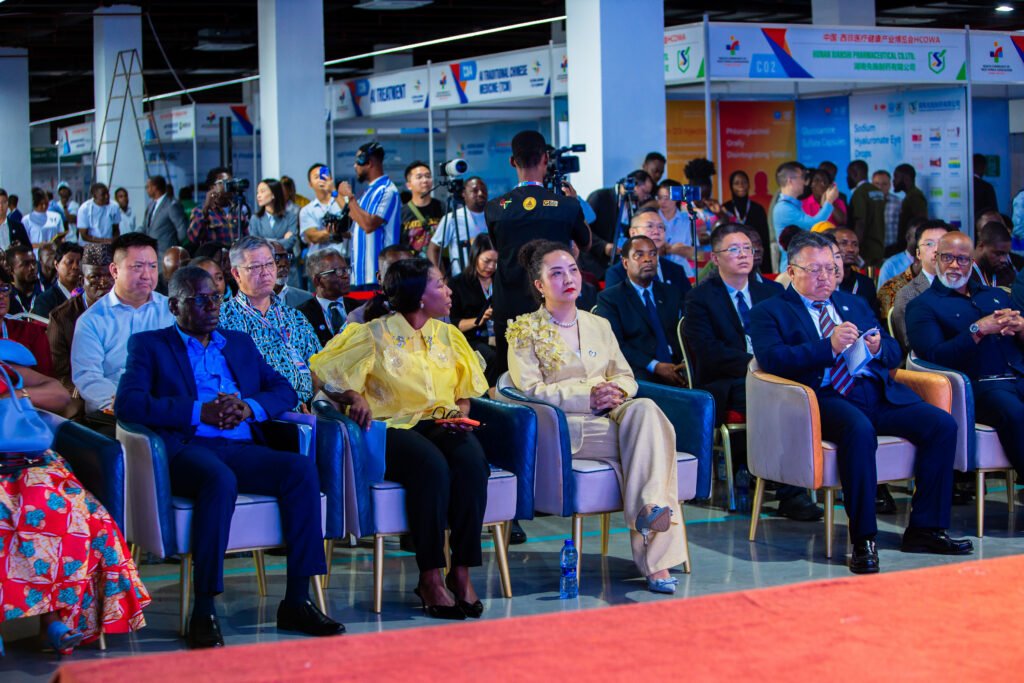
Prof. Ayensu-Danquah further called for partnerships that go beyond importing finished healthcare products. She encouraged greater focus on local manufacturing and assembly, skills training, research and the sharing of technical knowledge, saying such partnerships should leave lasting benefits for Ghana.
She noted that China’s experience in manufacturing, engineering and technology presents opportunities for Ghana and other West African countries to develop stronger healthcare industries.
Other speakers at the ceremony also stressed the importance of cooperation, investment and innovation in addressing healthcare challenges and commended the Health Community of West Africa Association for bringing together stakeholders from different countries.

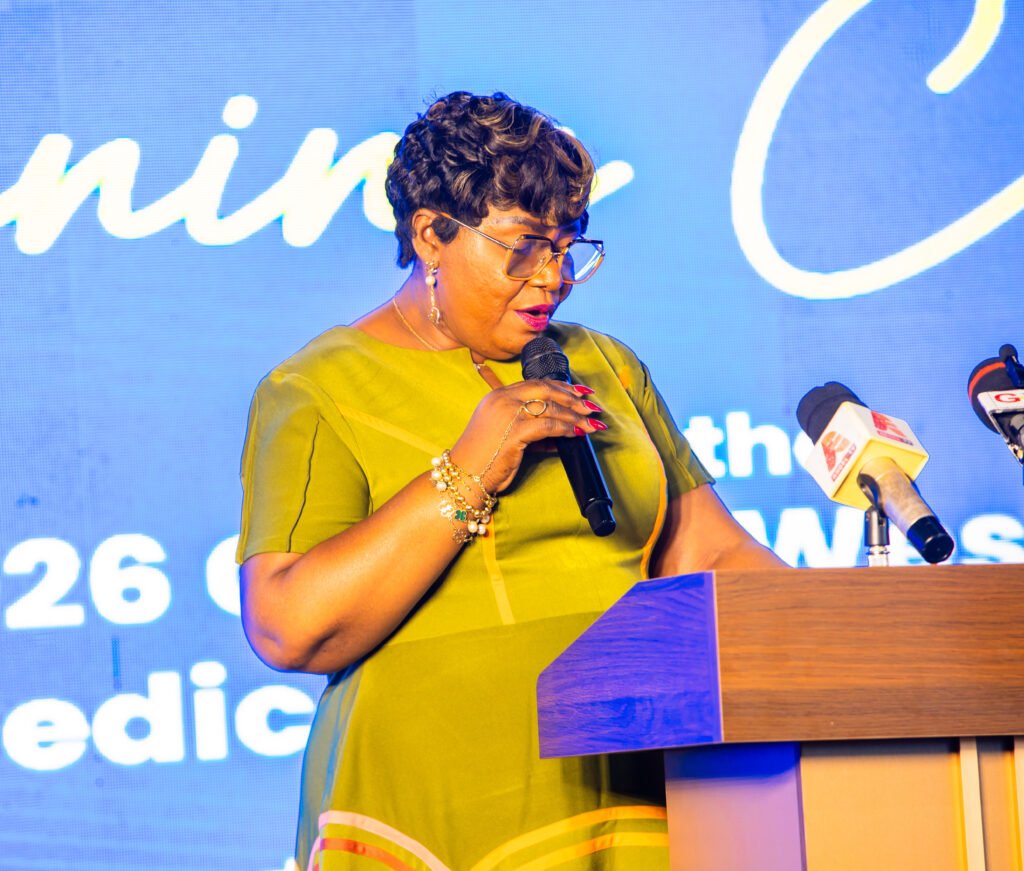
Representing the Director-General of the Ghana Health Service, Deputy Director-General Dr. Caroline Reindorf Amissah commended the organisers for creating a platform that brings government, healthcare institutions, businesses, investors, professionals and international partners together.
She said healthcare systems are facing increasingly complex demands and must continue to find better ways of serving patients.
Dr. Reindorf Amissah noted that technology can assist healthcare workers in identifying illnesses, planning services and improving the running of health facilities.
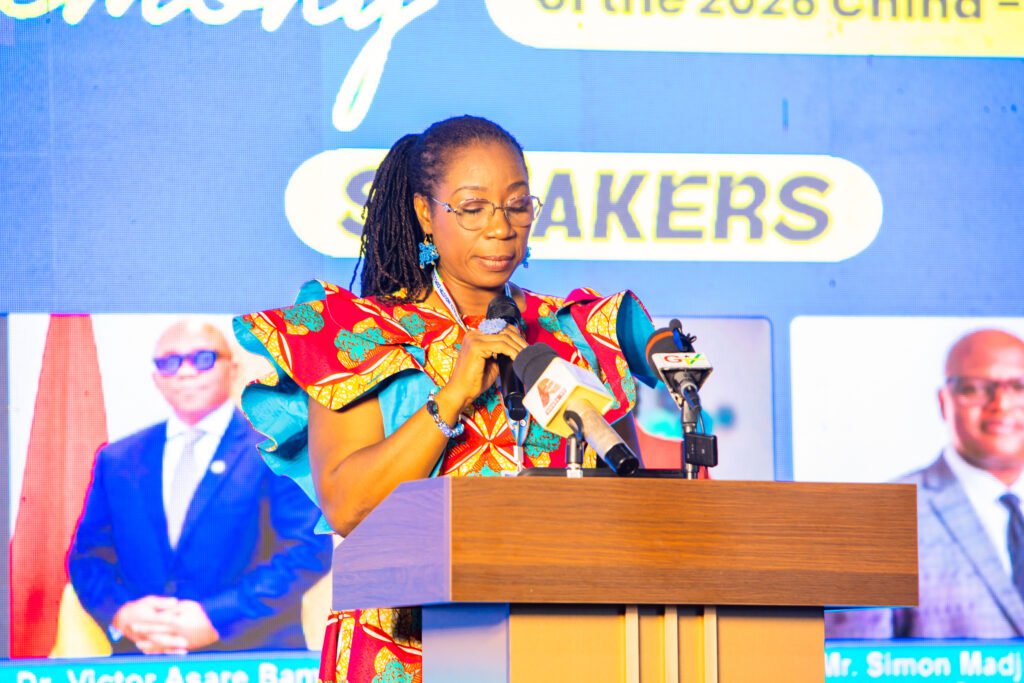
She, however, stressed that the success of technology should not be judged simply by how advanced it is, but by whether it actually helps healthcare workers do their jobs better and improves the experience and outcomes of patients.
She also called for investment in healthcare workers, reliable digital systems and the protection of patients’ information to ensure that technological development does not create further inequalities in healthcare access.
The Ghana Investment Promotion Centre (GIPC) also highlighted opportunities for investment in Ghana’s healthcare sector.
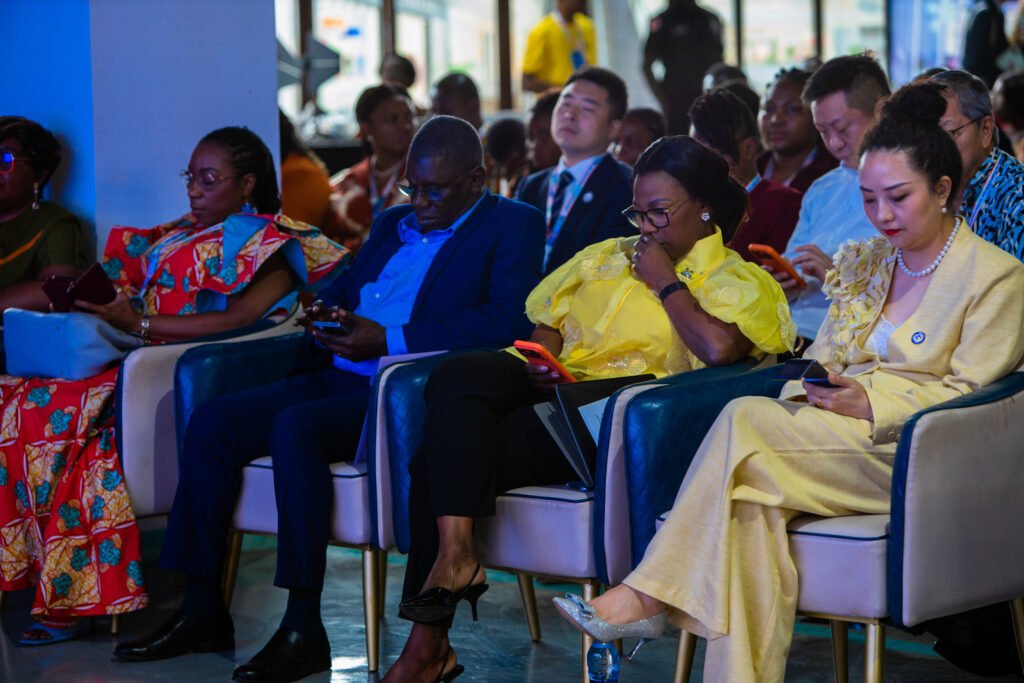
The Chief Executive Officer of GIPC, Mr. Simon Madjie, emphasised the need to create stronger connections between investors, healthcare institutions and businesses.
His participation reinforced the summit’s focus on turning conversations around healthcare into practical investments, partnerships and projects.
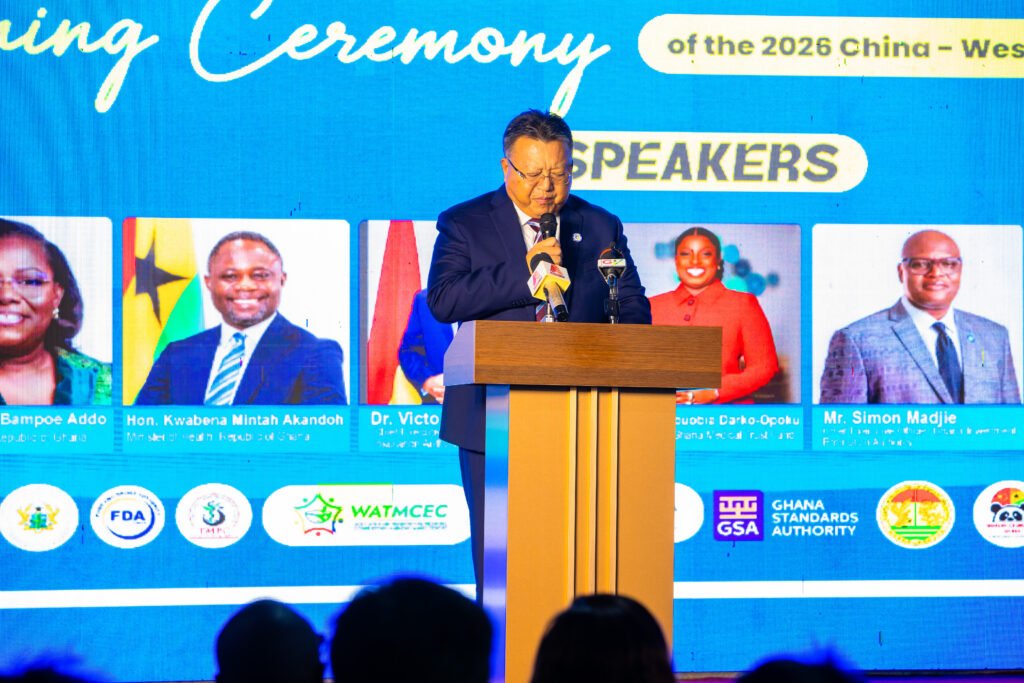
Opening the summit, President of the Health Community of West Africa Association, Ms. Anna Jiang, welcomed healthcare businesses, medical equipment manufacturers, herbal medicine companies, healthcare professionals, investors and innovators from China, Ghana and across West Africa.
She urged participants to look beyond the speeches and discussions and focus on projects that can produce lasting results.
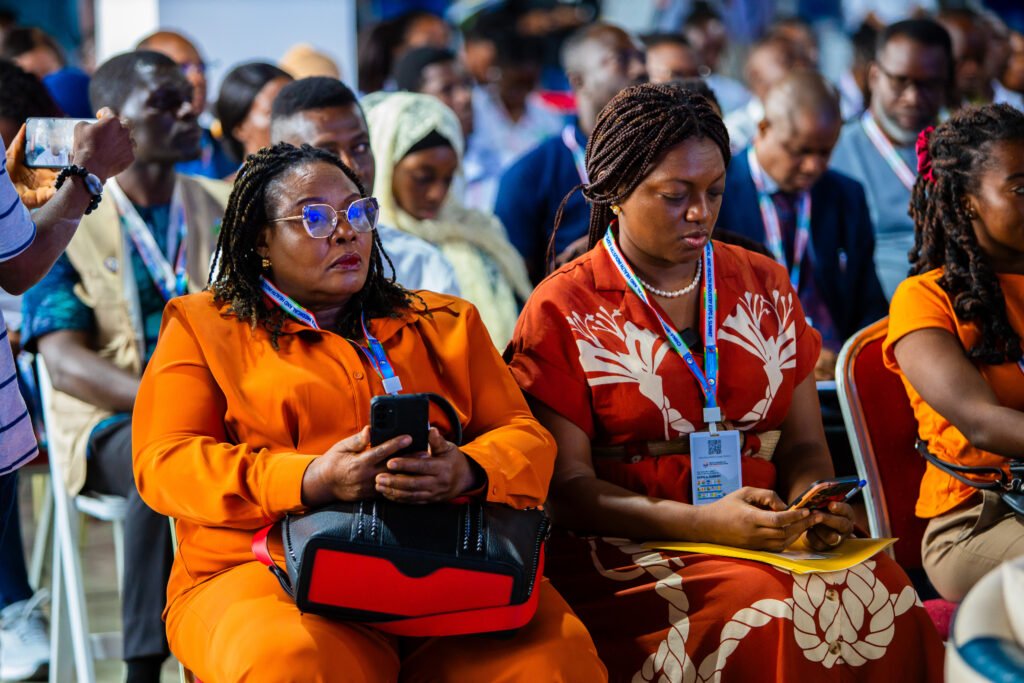
Ms. Jiang said the Association’s vision is for healthcare cooperation to create real projects, businesses, jobs, skills development and improvements in healthcare services. She also identified technology as an important opportunity for West Africa, while stressing the need for proper oversight, patient safety and protection of personal information.
One of the key developments highlighted during the opening ceremony was the Association’s intention to engage relevant stakeholders on plans for a medical production park and equipment-assembly hub in Ghana.
The proposed initiative would seek to increase local production and assembly of medical products while creating opportunities for skills development and the sharing of technical knowledge.
Ms. Jiang said the long-term vision is to contribute to making Ghana a centre for medical manufacturing and investment in West Africa.

She stressed the importance of Africa gradually moving from mainly importing healthcare products to producing more of the products it needs.
The Association also expressed interest in supporting appropriate Traditional Chinese Medicine centres in Ghana, subject to Ghanaian laws and regulations.
Beyond the business and healthcare discussions, the opening ceremony also featured a cultural performance, adding a strong Ghanaian touch to the international gathering.
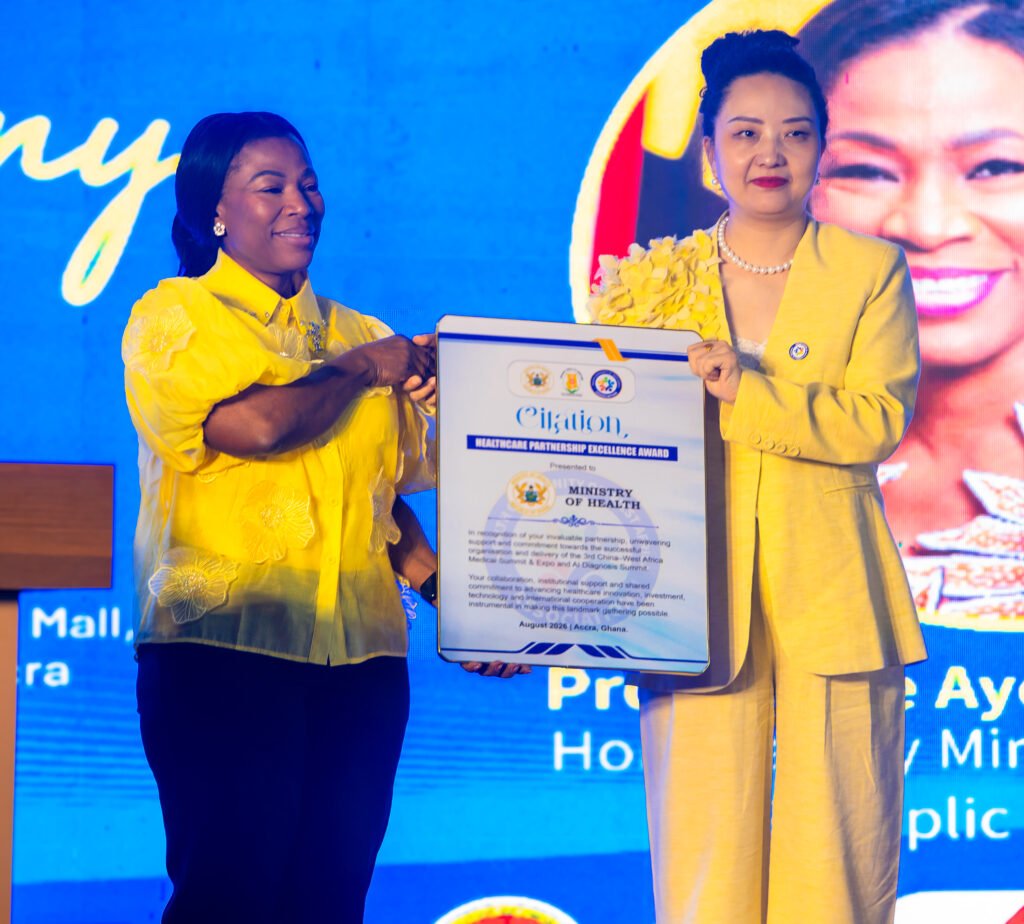
Citations were also presented to outstanding brands and associations in recognition of their contributions before a sword-cutting ceremony officially marked the opening of the expo.
Throughout the ceremony, speakers returned to a common message: healthcare cooperation between China and West Africa should grow beyond the exchange of finished products.
They called for greater cooperation in investment, research, training, local manufacturing, skills development and the sharing of knowledge and technology.
With many West African countries facing similar challenges in healthcare access, medical supplies, specialist services and health infrastructure, participants were encouraged to explore opportunities for regional cooperation.
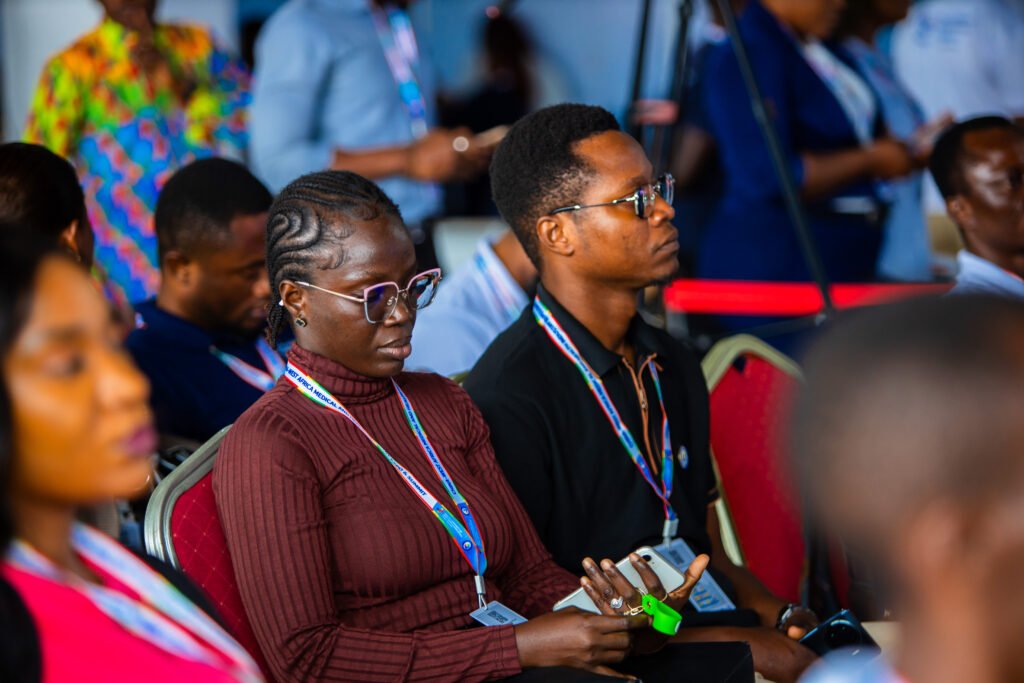
The wider goal is for West Africa to gradually become not only a consumer of healthcare products and technology, but also a producer, innovator and developer of solutions that respond to the needs of its own people.
As the three-day expo continues, participants are expected to take part in product demonstrations, professional exchanges, business meetings and discussions around future partnerships.
The success of the summit should ultimately be reflected in what happens after the event, including new investments, training opportunities, research partnerships, local production, improved healthcare services and stronger cooperation between Ghana, China and other West African countries.
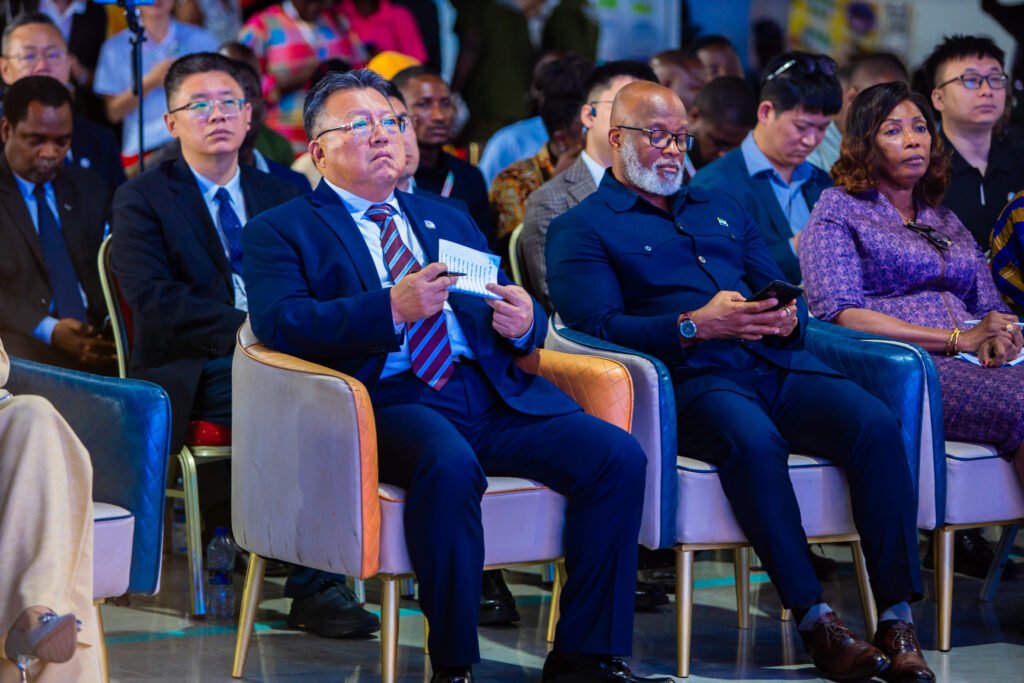
The opening ceremony therefore marked not only the beginning of an international healthcare exhibition, but also a renewed push to connect healthcare, investment, technology and local production.
As the expo continues, the Health Community of West Africa Association is positioning itself as a bridge between Ghana, China and the wider West African healthcare community, bringing together governments, healthcare professionals, businesses, investors and innovators to turn shared ideas into practical opportunities.


