


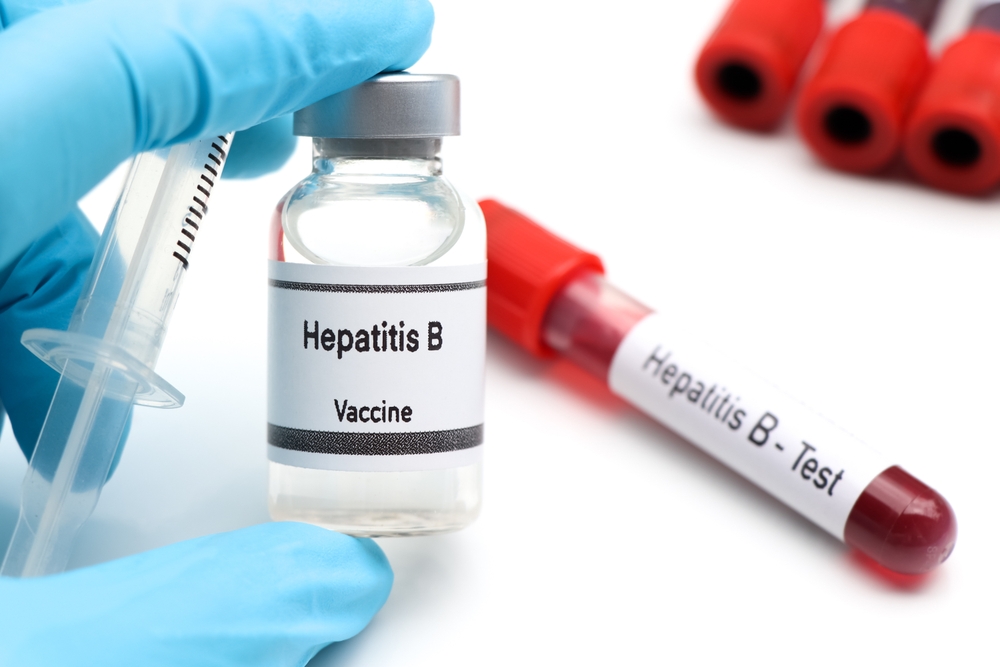

Ghana’s health authorities and advocacy groups are mobilizing for the nationwide introduction of the hepatitis B birth dose vaccine in 2026, a critical public health intervention aimed at curbing a leading cause of liver disease and cancer in the country. This push comes amid a contrasting move by the United States, which recently removed the hepatitis B vaccine from its recommended childhood immunization schedule.
The Hepatitis Alliance of Ghana, led by Executive Director Charles Adjei, confirmed the renewed drive for the vaccine’s rollout after a delayed start in September 2025. The birth dose, administered within 24 hours of delivery, is proven to be up to 95% effective in preventing transmission from an infected mother to her child. In Ghana, chronic hepatitis B affects nearly 10% of the population and is responsible for an estimated 14,000 deaths annually.
“The science is unequivocal. For Ghana, where mother-to-child transmission is a primary route of infection, this first shot is a lifesaver, without it, infants face up to a 90% risk of contracting the virus during birth, and 95% of those infected will develop a chronic, lifelong condition.” said Dr. Yvonne Ayerki Nartey, a physician and hepatitis B researcher based in Cape Coast.
The current Ghanaian immunization program uses the pentavalent vaccine, which includes hepatitis B protection but is first administered at six weeks of age—a critical window too late to prevent transmission that often occurs during birth.
This looming implementation follows a decade of persistent advocacy and recent financial backing from Gavi, the Vaccine Alliance, which approved co-funding for the birth dose in 2024. However, significant hurdles remain. Logistical challenges loom large, as more than one-fifth of births in Ghana occur outside of health facilities, complicating the strict 24-hour vaccination deadline. Furthermore, limited testing access means many mothers are unaware of their infection status.
“Gavi’s support is pivotal, but it is not indefinite. This program’s ultimate success hinges on our national commitment to overcome these barriers and ensure every newborn is protected,” stated Health Minister Kwabena Mintah Akandoh, emphasizing Ghana’s goal to transition from donor aid by 2030.
The drive has been bolstered by a broad coalition, including health professionals, civil society, and influential advocates like renowned musician Okyeame Kwame. “This is a unified fight. We must all join forces to push hepatitis B into elimination,” he said.
The renewed effort stands in stark contrast to the recent policy shift in the United States, where the birth dose has been removed from the childhood schedule—a decision criticized by global health experts who stress that epidemiological needs differ vastly between nations.
With the stakes exceptionally high, Ghanaian health officials express a determined optimism. “We have fought a long battle, armed with undeniable evidence, protecting our newborns from this preventable disease is within reach, and we will not relent until it is a reality for every Ghanaian child.” said Charles Adjei of the Hepatitis Alliance.
Source: News Ghana
