


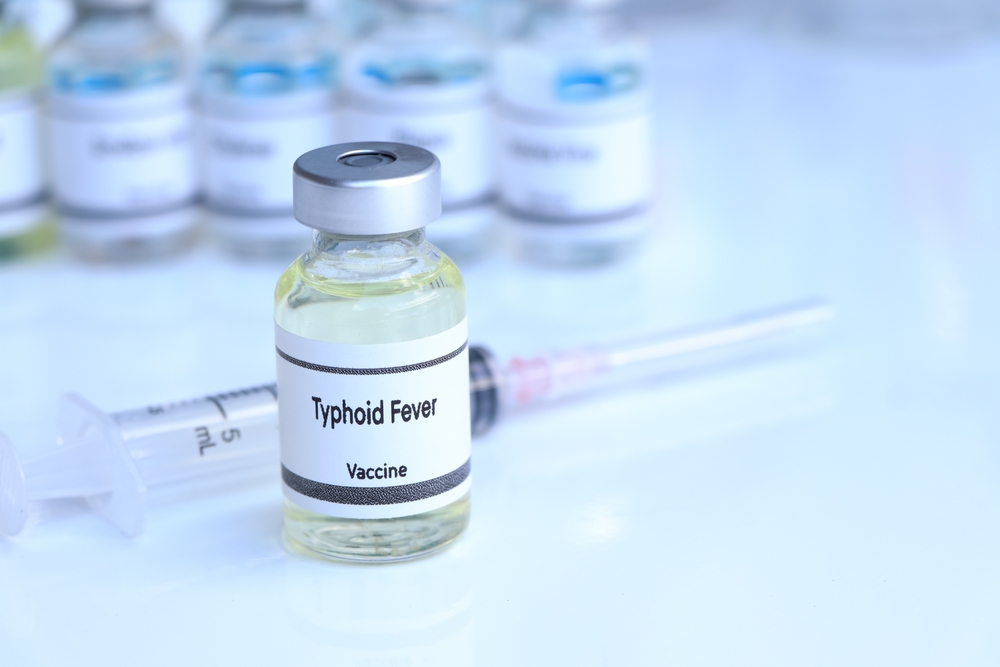

The Ghana Health Service (GHS) has announced a public health initiative: a mandatory typhoid vaccination programme for all food handlers across the country. The move targets a critical group in the transmission chain, aiming to drastically reduce the incidence of the bacterial disease.
The programme will require workers across the entire food and drink industry—from street food vendors and market operators to restaurant, hotel, and food manufacturing staff—to receive the vaccine. The Immunisation offers protection for three years and will become a compulsory part of the health certification required to work in the sector.
Dr. Samuel Kaba Akoriyea, Director-General of the GHS, announced the policy at a stakeholder meeting in Accra, stating that food handlers occupy a “critical position” in public health. “By the nature of their work, they are exposed to contamination and, if infected, can inadvertently contribute to the transmission of typhoid fever,” he explained.
The rollout will be implemented in phases, beginning with formal establishments like hotels, restaurants, and food companies before expanding to include market vendors and other informal operators. Authorities will integrate proof of vaccination with the existing medical screening required for the issuance of operational health certificates.
Dr. Akoriyea emphasised that the WHO-qualified and FDA-approved vaccines meet the highest standards of safety and efficacy. The cost to recipients has been subsidised, with the final price to be announced at the programme’s official launch by the Ministry of Health in the coming weeks.
The initiative is the result of extensive consultations with key agencies, including the Food and Drugs Authority, the Ghana Tourism Authority, local assemblies, and industry representatives. Its success, Dr. Akoriyea noted, will hinge on strong stakeholder collaboration, effective public communication, and building trust.
By focusing on this proactive, preventive strategy, Ghana aims to close persistent gaps in typhoid control, safeguarding both food industry workers and the general public while advancing its goals for universal health coverage.
The policy sets a new benchmark for food safety in West Africa. Its effectiveness, however, will hinge on seamless execution and high public uptake. If successful, it will demonstrate how targeted, mandatory public health measures can create a safer environment for all, making the link between a vendor’s vaccination and a family’s wellbeing clearer than ever.
