



Technology is transforming how chronic and rare diseases are managed, offering new hope to millions worldwide. For people living with long-term conditions such as Diabetes and Heart Failure, as well as the estimated 300 million individuals affected by rare disorders, access to consistent and specialized care has long been a challenge. Today, digital innovation is helping bridge that gap.
One of the most impactful advancements is Remote Patient Monitoring (RPM). Wearable devices, including smartwatches and continuous glucose monitors, allow healthcare providers to track patients’ vital signs in real time. These tools can detect early warning signs—such as irregular heart rhythms or rising blood pressure—before they escalate into serious complications. This proactive approach not only improves patient outcomes but also reduces hospital admissions and healthcare costs.
For rare diseases, technology is proving equally transformative. Because these conditions affect smaller populations, diagnosis and treatment have traditionally been slow and complex. The use of Artificial Intelligence is changing that. AI systems can analyze vast amounts of genetic data and medical literature, helping clinicians identify rare conditions more quickly and accurately. This significantly shortens the diagnostic journey for many patients.
Digital platforms are also fostering global patient communities. Through apps like PatientLikeMe, individuals can share experiences, treatment outcomes, and support. This connectivity enables someone in one part of the world to learn from others facing the same rare condition elsewhere, reducing isolation and improving knowledge.
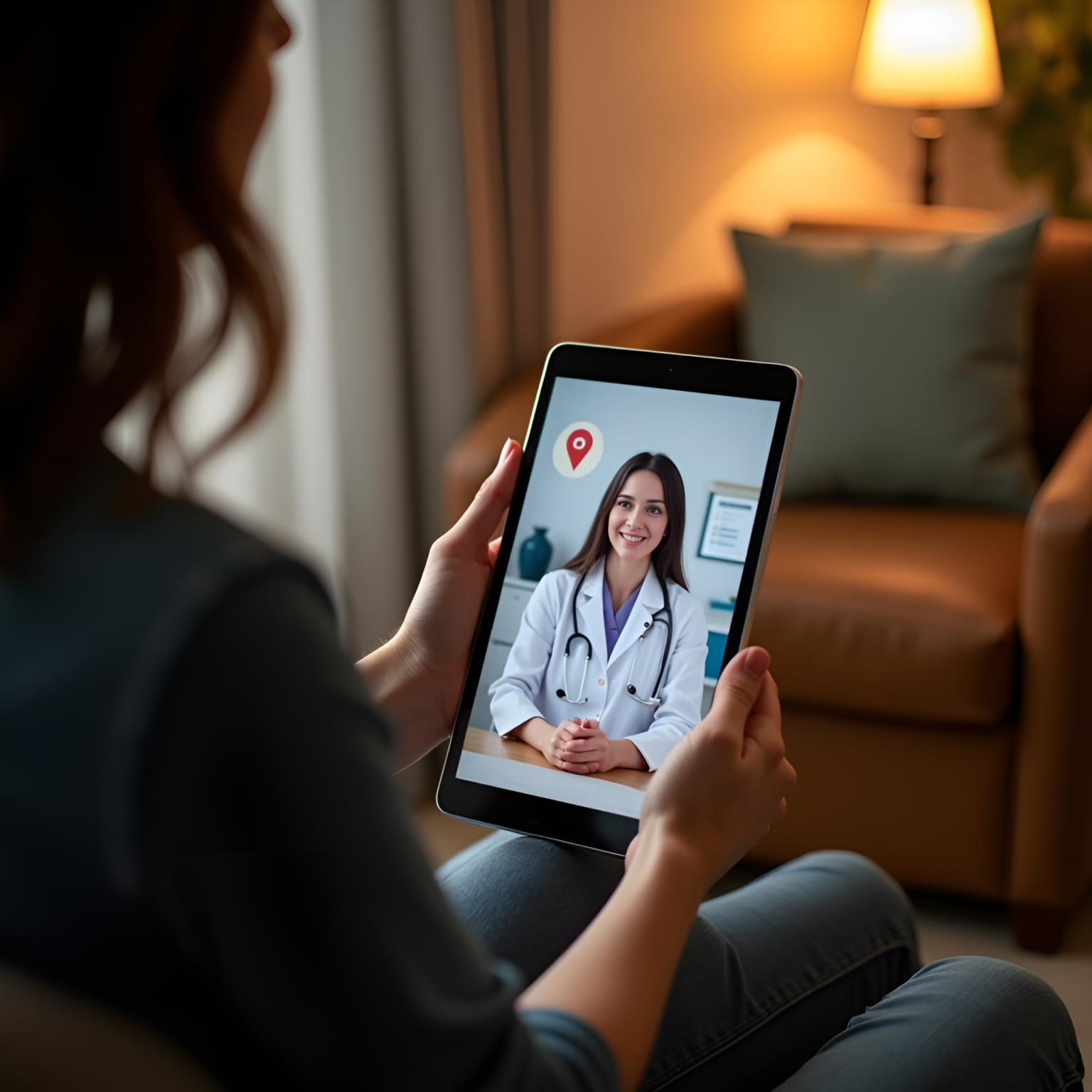
Additionally, Telehealth has expanded access to specialized care. Patients no longer need to travel long distances to consult experts. Virtual consultations make it easier to receive timely advice, especially for those in remote or underserved areas.
Despite these advances, challenges persist. Concerns about data privacy and security remain significant. Moreover, the digital divide means that not all patients have equal access to these technologies. There is also the risk that AI systems, often trained on more common conditions, may not always perform accurately for rare diseases.
Still, the future is promising. By combining smart devices, AI, and virtual care, healthcare is moving toward a more personalized approach. This shift offers meaningful support and improved quality of life for those living with chronic and rare conditions.
