


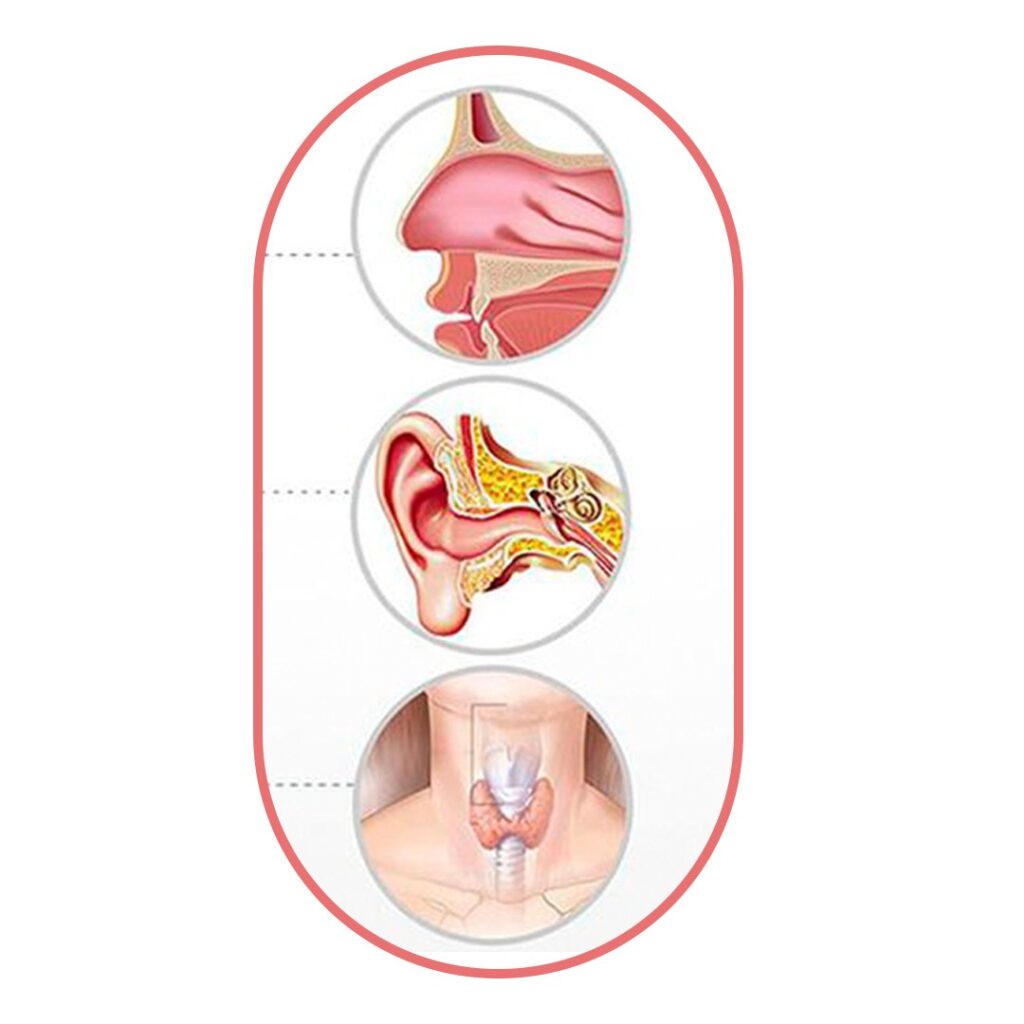

When flu season arrives, most people focus on avoiding fever and body aches. Yet the influenza virus poses a special threat to the ear, nose, and throat (ENT) system the very gateway through which it enters and wreaks havoc. Protecting yourself from the flu is essential for safeguarding your hearing, your voice, and your respiratory health.
Influenza viruses enter the body through the nose and mouth, attaching to cells in the upper respiratory tract. This explains why flu symptoms so frequently include sore throat, nasal congestion, and cough. But the damage does not always stop there. The inflammation caused by the flu can block the Eustachian tubes the small canals connecting the middle ear to the throat leading to painful ear infections and temporary hearing loss.
In children, whose Eustachian tubes are shorter and more horizontal, this complication is especially common. Each flu season brings waves of pediatric otitis media cases, some progressing to chronic issues. For adults, severe flu-related laryngitis can strain the vocal cords, sometimes causing lasting voice changes.
The American Heart Association emphasizes that influenza stresses the entire body, triggering systemic inflammation. For ENT health, this means individuals with chronic sinusitis or allergies may experience severe flares following flu infection. The virus can also pave the way for secondary bacterial infections requiring additional treatment.
Your ENT-Focused Prevention Plan
- Vaccination First: The annual flu vaccine remains the single most effective protection, directly reducing your risk of ENT complications.
- Hand Hygiene: Frequent handwashing prevents virus transfer from contaminated surfaces to your nasal and oral passages.
- Respiratory Etiquette: Covering coughs and sneezes with your elbow minimizes spread to others.
- Humidify and Hydrate: Using a humidifier and drinking water maintains protective mucosal barriers against viral invasion.
- Avoid Irritants: Tobacco smoke damages the cilia that sweep viruses from your respiratory tract.
If flu develops, rest allows your immune system to fight effectively. Saline nasal rinses can flush viruses from passages. Seek medical attention promptly if you experience ear pain, severe throat swelling, or voice loss.
The flu is a direct assault on the structures that enable hearing, speaking, and breathing. By prioritizing prevention, you protect not only your general health but the sensory tools that connect you to the world.
Source: American Heart Association
