


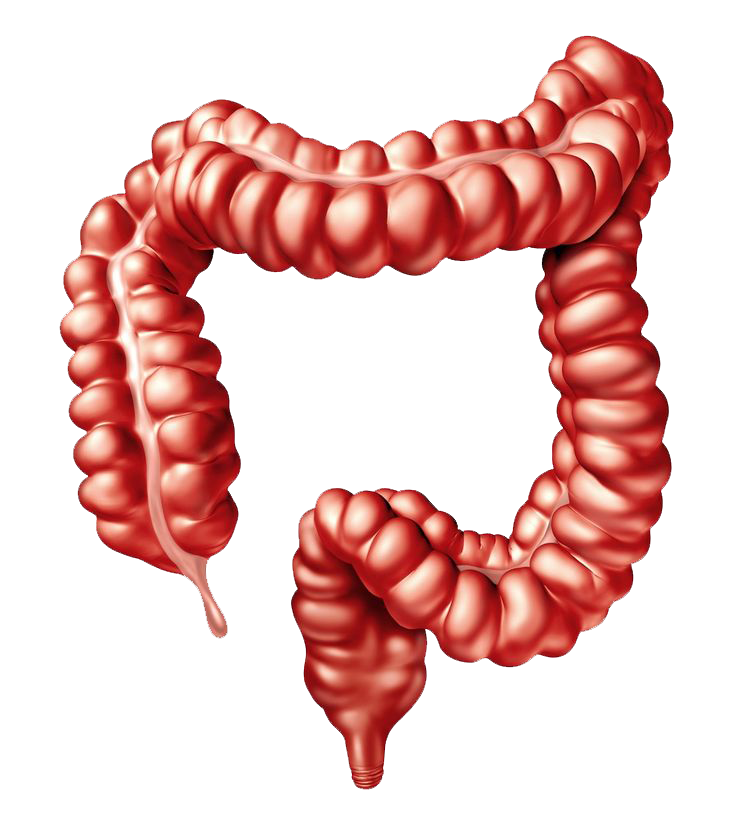

When we think of digestion, we often picture the stomach or the small intestine. However, the final and crucial stage of this process happens in the large intestine, a powerful organ that acts as the body’s waste treatment plant and temporary storage facility.
Often overlooked, the large intestine—also known as the large bowel—is a long, muscular tube and the final section of the gastrointestinal tract. It is situated in the abdominal cavity, forming a kind of upside-down U-shape around the small intestine. It gets its name from its diameter, which is greater than that of the small intestine, and in an adult, it measures about five feet in length.
The large intestine is divided into distinct parts, each with a specific role. It begins in the lower right abdomen with the cecum, a pouch-like structure to which the appendix is attached. From there, it continues as the colon, which travels up the right side of the body, across the upper abdomen, and then down the left side. Following this is the sigmoid colon, an S-shaped curve that connects to the rectum. The rectum is a muscular chamber that stores stool until it is ready to be expelled through the final segment, the anal canal and anus.
While the small intestine absorbs nutrients, the large intestine focuses on three primary tasks. Its main job is to reclaim water and vital salts from the liquid residue that enters it, turning that material into a more solid form. It also hosts trillions of beneficial bacteria that ferment any remaining undigested fiber, producing some vitamins in the process. Finally, it forms this indigestible material into solid stool and moves it toward the rectum for elimination.
The most common serious condition affecting this organ is colorectal cancer, which starts in the colon or rectum. It often begins as small, noncancerous clumps of cells called polyps that grow on the inner lining. Over time, some polyps can become cancerous. Because of this slow progression, screening tests like colonoscopies are vital, as they can find and remove polyps before they turn into cancer or detect the disease at an early, highly treatable stage.
