


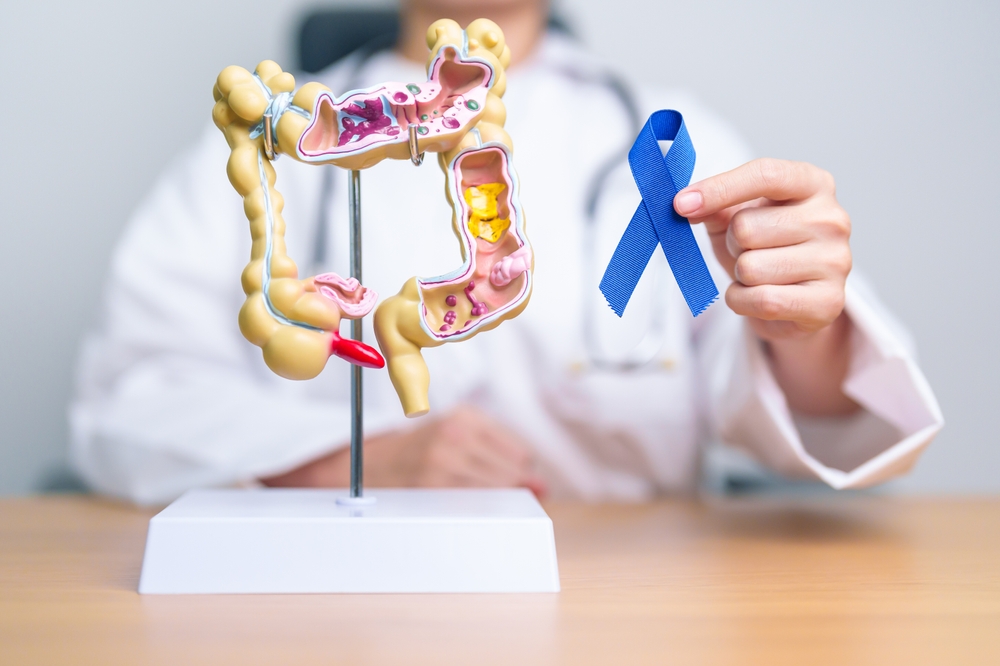

For generations, colorectal cancer has been dismissed as an “old person’s disease.” It was something to worry about after 60, perhaps 70. Young, healthy adults particularly across Africa rarely gave it a second thought. That assumption is now not just outdated; it is deadly.
The data is alarming and urgent. Colorectal cancer is rising at nearly 3% per year in people under 50, even as incidence has declined slightly in the overall population. Today, one in five people diagnosed with colorectal cancer is under the age of 55 and it is now the leading cause of cancer-related death among young adults.
A landmark 2026 report from the American Cancer Society found that colorectal cancer rates are moving in two very different directions declining among older adults while rising sharply in people under 65, with 200 new diagnoses occurring every single day in people younger than 65.
Perhaps most troubling is how late these younger patients are being caught. Three in four colorectal cancers in adults younger than 50 are diagnosed at an advanced stage, yet the five-year survival rate for local-stage disease is 95%. Early detection is not just beneficial it is life-saving.
Globally, an estimated 10% of all colorectal cancer cases already occur in people under 50, with projections suggesting that by 2030, incidence in those aged 20 to 34 could rise by 90%. In Africa, where diets are rapidly shifting toward processed, low-fibre foods, physical inactivity is rising, and screening programmes remain limited, the threat to younger populations is especially acute.
The contributing factors include obesity, high alcohol consumption, sedentary lifestyles, gut microbiome changes, and ultra-processed food consumption all trends accelerating across African urban centres.
The message this Colorectal Cancer Awareness Month is clear: age is no longer a shield. Whether you are 30, 40, or 50 know the symptoms, demand screening, and do not wait. Your youth is not your protection. Early action is.
