


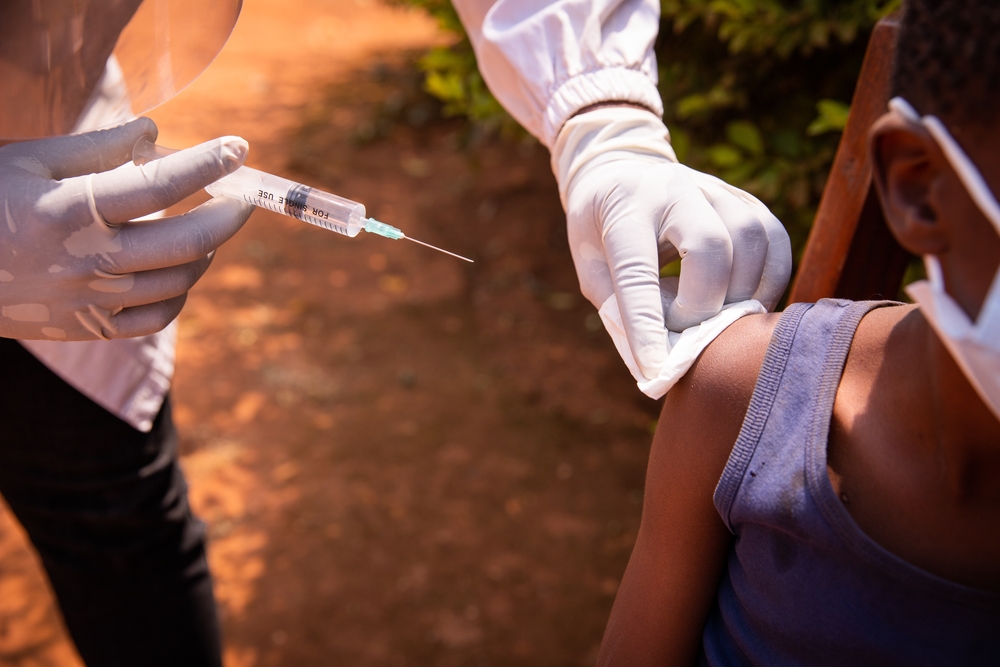

Malawi has launched a rapid and decisive response to a newly detected polio threat, successfully vaccinating approximately 1.3 million children in just four days following the confirmation of a circulating variant poliovirus case in late January 2026 the first reported in the country since 2022.
The four-day vaccination campaign, conducted across eight districts in Malawi’s Southern Region, deployed the novel oral poliomyelitis vaccine type 2 (nOPV2) in line with Global Polio Eradication Initiative (GPEI) recommendations. An impressive 97% of targeted children were reached, with Blantyre District recording a remarkable 109% coverage surpassing its initial target. An additional 42,000 children who missed the campaign will be reached in follow-up rounds.
The outbreak was traced to an unvaccinated seven-year-old child and confirmed through environmental surveillance sites. Variant polioviruses of this type emerge in communities with low immunisation rates and spread through contaminated water or food, posing a serious risk even in areas previously free of wild polio.Malawi received 1.7 million doses of nOPV2 from the International Coordinating Group on Vaccine Provision on February 10, 2026 and in a testament to operational efficiency, all doses were distributed to delivery points across targeted districts within just 12 hours.
Community engagement proved critical to the campaign’s success. Social mobilisers, health workers, religious leaders, and traditional authorities worked together to combat misinformation and encourage reluctant families. Of 84 initially hesitant households, 45 ultimately accepted vaccination through targeted outreach efforts.
“Polio is a debilitating disease that can leave one with lifetime disability and sometimes death. But the good news is that it is preventable through vaccination, good personal hygiene and sanitation,” said Dr Charles Chilambula, Deputy Minister of Health and Sanitation.
WHO supported the Ministry of Health throughout coordinating logistics, training local vaccinators, strengthening data management systems, and conducting real-time monitoring to ensure campaign quality and coverage standards were maintained.
Two additional national vaccination rounds are planned later in 2026. Health authorities remain on high alert, continuing active case searches and community follow-ups to ensure no child is left unprotected.
Source:WHO
