


By Ethel Selasi Dei, Occupational Therapist
According to the Down Syndrome Association of Ghana, approximately 31,000 people are living with Down syndrome in Ghana. In many communities, understanding of the condition is still limited. Misconceptions and incomplete information can sometimes shape how individuals with Down syndrome are perceived and supported. Increasing awareness and promoting accurate information are important steps toward building more inclusive and supportive communities.
Down syndrome is a genetic condition that occurs when a person is born with an extra copy of chromosome 21. This additional genetic material affects the way the body and brain develops. Individuals with Down syndrome may experience developmental delays and certain health challenges, but each person’s abilities and experiences are unique.
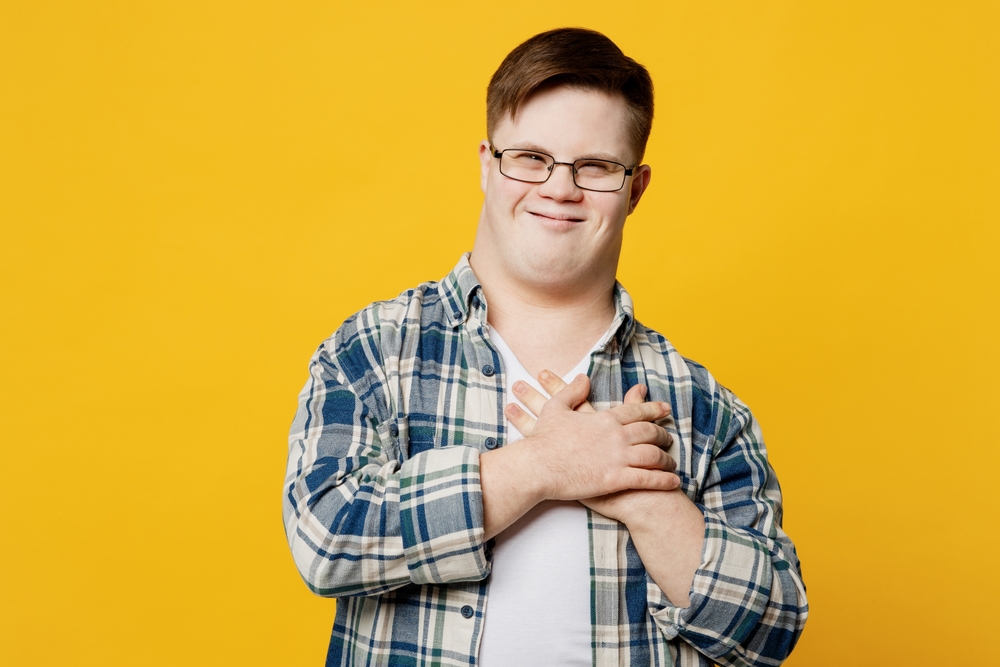
Individuals with Down syndrome often share certain developmental and physical characteristics. Many babies with the condition have what health professionals call low muscle tone, which means their muscles may feel softer or less firm, sometimes making them seem a little “floppy” when held. Because of this, some children may take a bit more time to sit, crawl, or walk. Children with Down syndrome may also learn new skills such as speaking or communicating at a slower pace, but with patience, support, and the right learning environment, they continue to develop important abilities. Some individuals may also have physical features such as a flatter facial profile, eyes that slant slightly upward, a small nose, a slightly protruding tongue or a single line across the palm of the hand. In addition, some people with Down syndrome may experience certain health conditions, including heart problems or hearing and vision difficulties, which is why regular medical care is important.
It is important to remember that every person with Down syndrome is unique, with their own strengths, abilities, and personality.
Helping Children Thrive
Children with Down syndrome often thrive when they receive support early in life. Early intervention programs are designed to help children develop skills they will use every day. Speech and language therapy or support, for example, helps children learn to speak, make sounds, or use gestures so they can communicate their needs and feelings. Movement and physical therapy and support can strengthen muscles, improve balance, and make activities like sitting, walking, and playing easier. Daily life skills, guided through occupational therapy, teach children how to feed themselves, dress, hold objects, and play skills that help them become more independent as they grow.
Regular check-ups allow doctors to monitor heart, hearing, vision, and other health concerns. When any problems are detected early, families and healthcare professionals can work together to manage them effectively.
Families, schools, and communities are part of the support network too. Inclusive classrooms, where children with Down syndrome learn alongside other children, encourage friendships, social skills, and confidence. In Ghana, there are inclusive schools that provide such learning environments, helping children with Down syndrome participate in education alongside their peers. Communities that understand and accept differences create spaces where individuals with Down syndrome can fully take part in family life and social activities. Organizations such as the Down Syndrome Association of Ghana also provide guidance, raise awareness, and connect families with resources and support programs. With the right guidance and encouragement, children with Down syndrome can play, learn, and laugh alongside their friends, just like any other child.
By learning more about Down syndrome and the ways children and adults can be supported, we can all play a part in creating a more understanding and inclusive community. Families, schools, and communities that offer encouragement and support help individuals with Down syndrome grow, learn, and take part fully in everyday life because when we focus on inclusion, care, and understanding, everyone benefits and people with Down syndrome can thrive and be valued for who they are.
