



By Seth O. Konadu, RRT, CRT
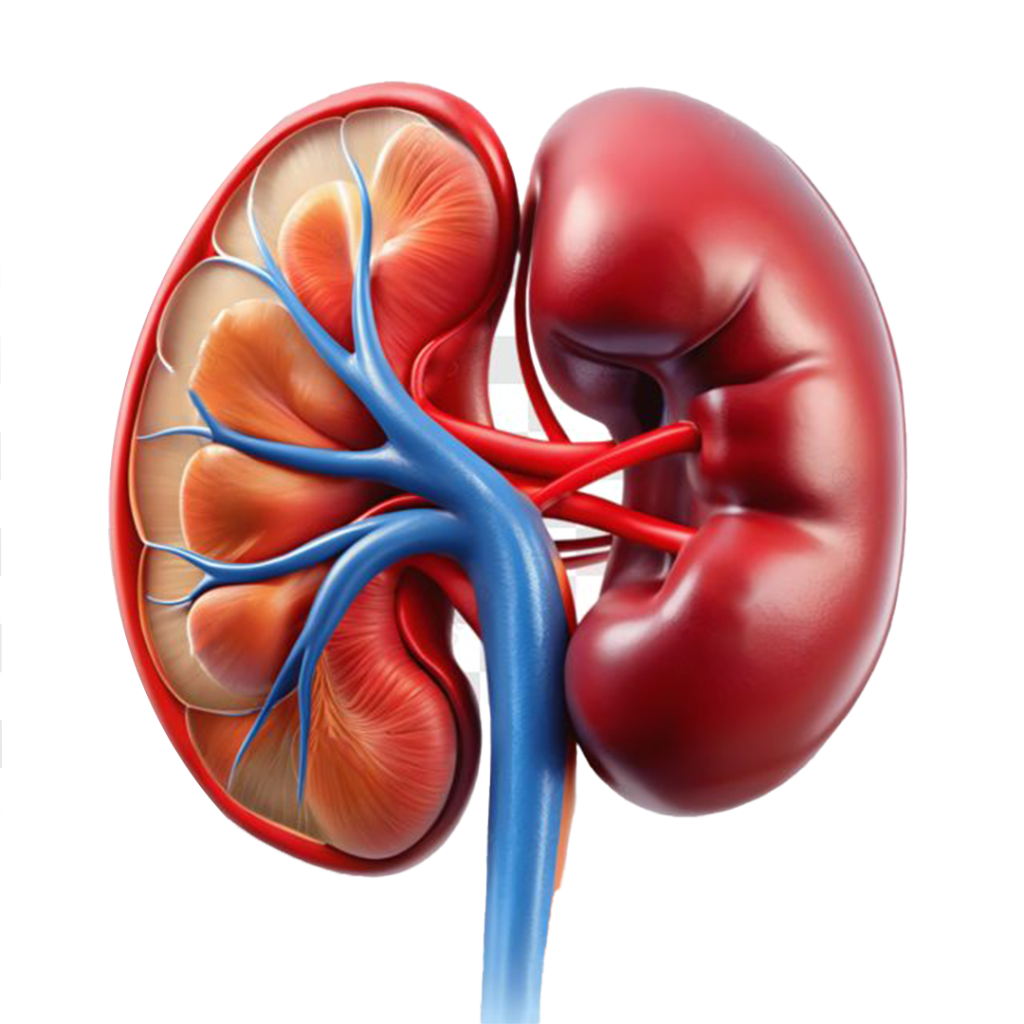
The kidneys are among the most vital organs in the human body, yet they are often overlooked until something goes wrong. Many people associate kidney health only with alcohol consumption, but the kidneys do far more than that. These small, bean-shaped organs work continuously to filter waste products from the blood, regulate fluid levels, and maintain the delicate chemical balance that keeps the body functioning properly.
Globally, kidney disease has become a major public health concern. According to the Global Burden of Disease Study (2023), about 788 million people worldwide are living with chronic kidney disease, and the condition accounts for approximately 1.48 million deaths each year. One of the most concerning aspects of kidney disease is that it often develops slowly and without noticeable symptoms. Many individuals only discover they have kidney problems after significant damage has already occurred.
Located on either side of the spine just below the rib cage, each kidney is roughly the size of a fist. Despite their small size, the kidneys perform several essential functions. They filter large volumes of blood each day, removing toxins while allowing vital nutrients to remain in circulation. They also regulate fluid levels in the body by controlling the amount of water excreted in urine.
In addition, the kidneys maintain the balance of important minerals such as sodium, potassium, and calcium, which are crucial for proper nerve function, muscle activity, and heart rhythm. They also produce hormones that help control blood pressure and stimulate the production of red blood cells. The kidneys even work closely with the lungs to maintain the body’s acid–base balance.
When the kidneys begin to fail, waste products accumulate in the bloodstream. This can lead to symptoms such as fatigue, nausea, loss of appetite, and general weakness. Kidney damage can also disrupt blood pressure regulation, often causing hypertension. Unfortunately, high blood pressure can further damage the kidneys, creating a cycle that worsens the condition.
Fluid retention is another common effect of kidney failure. When the kidneys cannot remove excess water effectively, fluid may accumulate in tissues, leading to swelling in the legs, ankles, and face. In severe cases, fluid can collect in the lungs, causing breathing difficulties and serious respiratory complications.
Several everyday habits can negatively affect kidney health. Dehydration, for example, can cause minerals and salts in urine to become concentrated, increasing the risk of kidney stones. Diets high in salt may raise blood pressure, placing additional strain on the kidneys. Frequent and unsupervised use of certain medications, particularly non-steroidal anti-inflammatory drugs (NSAIDs), may also damage kidney tissue over time. Smoking, excessive alcohol consumption, and diets high in processed foods can further increase the risk of kidney disease. Certain individuals face a higher risk of kidney disease, especially those living with diabetes, high blood pressure, or obesity. Age and family history may also increase susceptibility.
Although kidney disease can be serious, many cases can be prevented through healthy lifestyle choices. Drinking enough water, reducing salt intake, exercising regularly, and managing blood pressure and blood sugar levels are essential steps. Regular medical check-ups and simple blood or urine tests can also help detect early signs of kidney problems before symptoms appear. The kidneys play a crucial role in maintaining overall health. By adopting healthy habits and staying proactive about medical care, individuals can significantly reduce their risk of kidney disease and protect these essential organs for years to come.
