


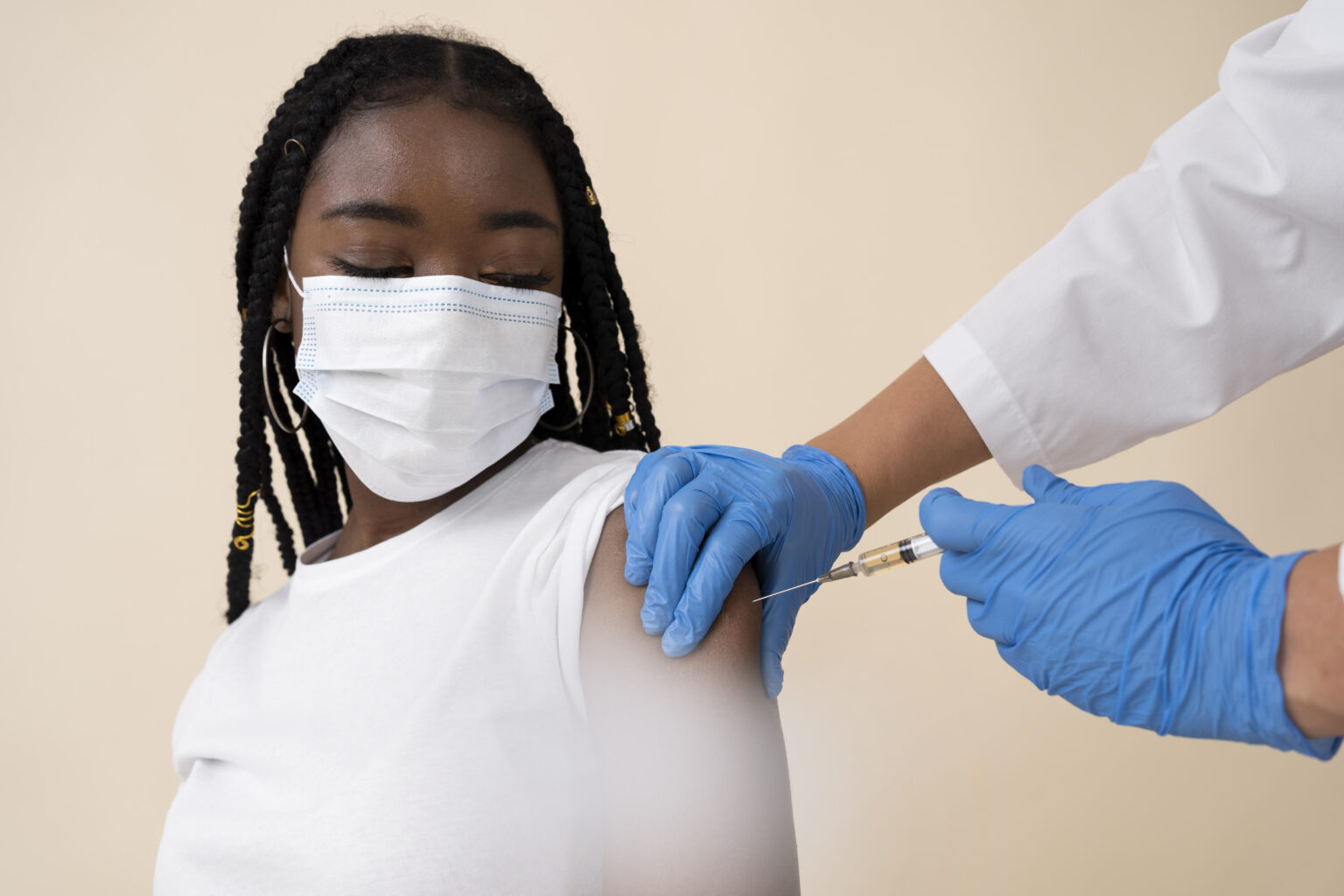

Immunization remains one of the most effective and cost-efficient public health interventions for preventing infectious diseases and protecting families from avoidable illnesses. It involves the administration of vaccines that stimulate the body’s immune system to develop protection against specific diseases such as measles, polio, hepatitis B, tuberculosis, diphtheria, and tetanus.
For families, immunization plays a critical role in safeguarding the health of children, adults, and the elderly. Children are especially vulnerable to infectious diseases because their immune systems are still developing. Routine childhood vaccinations, usually provided through national immunization programs, help build immunity early in life and reduce the risk of severe illness, disability, or death. When children are fully vaccinated, they are also less likely to transmit diseases to others at home, including newborns who are too young to be vaccinated and elderly family members with weaker immune systems.
Immunization also contributes to community protection through herd immunity. When a large proportion of the population is vaccinated, the spread of contagious diseases is significantly reduced. This is particularly important for protecting individuals who cannot be vaccinated due to medical conditions such as allergies or compromised immunity.
Despite its benefits, vaccine hesitancy and misinformation remain challenges in many communities. Some families delay or refuse vaccines due to fears about safety or misconceptions about side effects. However, extensive scientific research has shown that vaccines are safe, rigorously tested, and continuously monitored for effectiveness. Most side effects are mild and temporary, such as slight fever or soreness at the injection site.
Governments and health organizations continue to promote immunization through awareness campaigns, free vaccination programs, and routine health services. Parents and caregivers are encouraged to follow the national immunization schedule and ensure that all family members are up to date with recommended vaccines.
In conclusion, immunization is a vital pillar of family health. It protects individuals, strengthens community immunity, and reduces the burden of preventable diseases. By keeping vaccination records updated and embracing immunization programs, families can secure a healthier and safer future for all generations.
