










Otitis Externa, commonly known as Swimmer’s Ear, is not an infection of the inner ear structures but rather an inflammation of the delicate skin that lines the outer ear canal. For Ear, Nose, and Throat specialists, this condition is as much about dermatology as it is about audiology.
The ear canal is lined with some of the most sensitive skin in the human body. When that protective barrier is compromised, whether by excessive moisture, scratching, or underlying skin conditions, bacteria and fungi seize the opportunity to invade. This is why chronic skin diseases often set the stage for recurrent ear infections. Individuals living with eczema or psoriasis have a natural predisposition to developing otitis externa because their skin barrier is already vulnerable, creating a frustrating cycle where itching leads to scratching, and scratching leads to infection.
The symptoms reveal this dermatological nature. Unlike the deep pain of a middle ear infection, otitis externa typically announces itself with persistent itching deep within the canal. As the skin becomes increasingly inflamed, pain develops and worsens with the simple act of wiggling the earlobe or chewing, movements that stretch the irritated skin. Redness, swelling, and flaky discharge often follow.
For those who frequently swim or whose ears are exposed to water, moisture is the enemy, as prolonged dampness causes the protective layer to break down. After swimming or showering, tilting the head to drain water and gently drying the outer ear is essential or creating a protective barrier can be helpful like swimming with earplugs on.
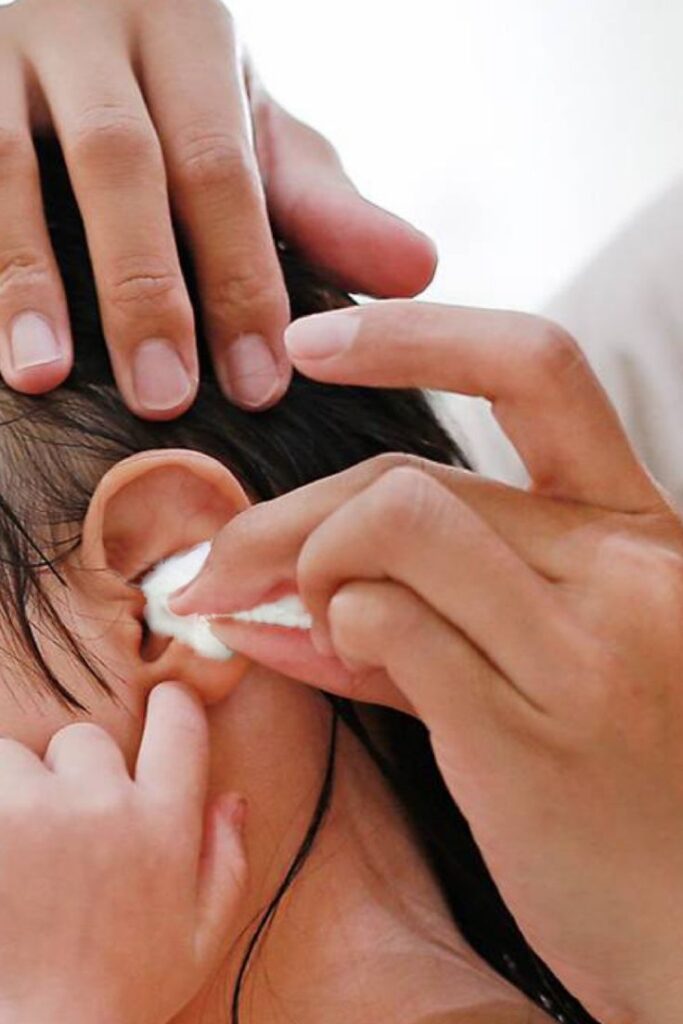
Most importantly, cotton swabs and fingers cause microtrauma, stripping away protective skin and introducing bacteria from the outside. This habit is one of the leading contributors to recurrent otitis externa, as each violation of the canal leaves the skin more vulnerable than before.
When the skin becomes painful or swollen, medical attention is necessary. Topical antibiotic and steroid drops work together to calm inflammation and fight infection, proving that sometimes, the best way to heal the ear is to treat it like the sensitive skin it truly is.


