








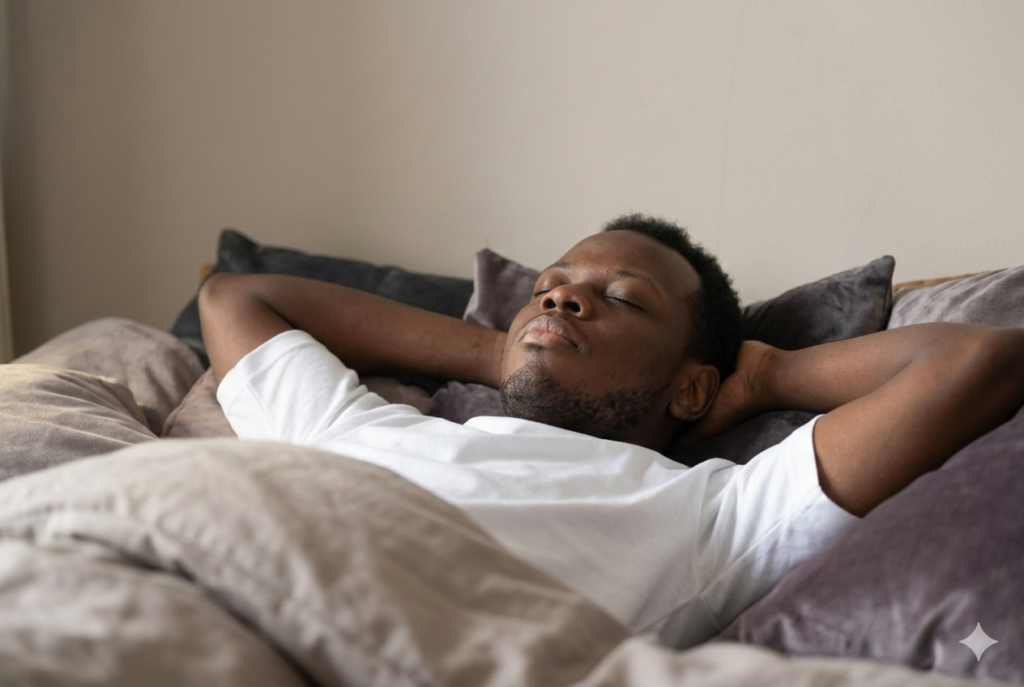


Obstructive Sleep Apnea occurs when the throat muscles relax during sleep, causing the soft tissue at the back of the throat to collapse and block the airway. Breathing stops until the brain panics, jerking the body partially awake to gasp for air. This cycle can repeat throughout the night, destroying sleep quality and starving the body of oxygen. The person rarely remembers these episodes, waking only to feel exhausted, irritable, and confused about why rest remains elusive.
Men carry a disproportionate burden of this condition. They are two to three times more likely than premenopausal women to suffer from sleep apnea, a disparity rooted in biology. Men typically have larger neck circumferences and different patterns of fat distribution, with more tissue accumulating around the upper airway. When muscles relax during sleep, this extra tissue compresses the airway, making collapse more likely. The male hormone testosterone also influences breathing control in ways that increase vulnerability.
The symptoms are often dismissed as normal. Loud, disruptive snoring is treated as a joke rather than a warning. Daytime fatigue is blamed on hard work or aging. Falling asleep in meetings or during quiet moments is accepted as a quirk of personality. But beneath these surface-level annoyances, the body is under siege. Each time breathing stops, oxygen levels plummet, forcing the heart to work harder. Stress hormones surge, blood pressure spikes, and the cardiovascular system endures repeated trauma night after night.
Over time, this hidden war takes its toll. Untreated sleep apnea is a major contributor to hypertension, heart attack, stroke, and atrial fibrillation. It explains why some men who eat well and exercise still develop heart problems. It accelerates cognitive decline, fuels depression, and increases the risk of deadly car accidents caused by drowsy driving.
Despite these dangers, sleep apnea remains vastly underdiagnosed among men. Cultural expectations discourage complaining about exhaustion. For the men reading this and for the women who love them, the message is simple: pay attention to the night. If the snoring is loud enough to hear through walls, if there are witnessed pauses in breathing, or if daytime sleepiness is interfering with life, it is time to see an ENT specialist.


