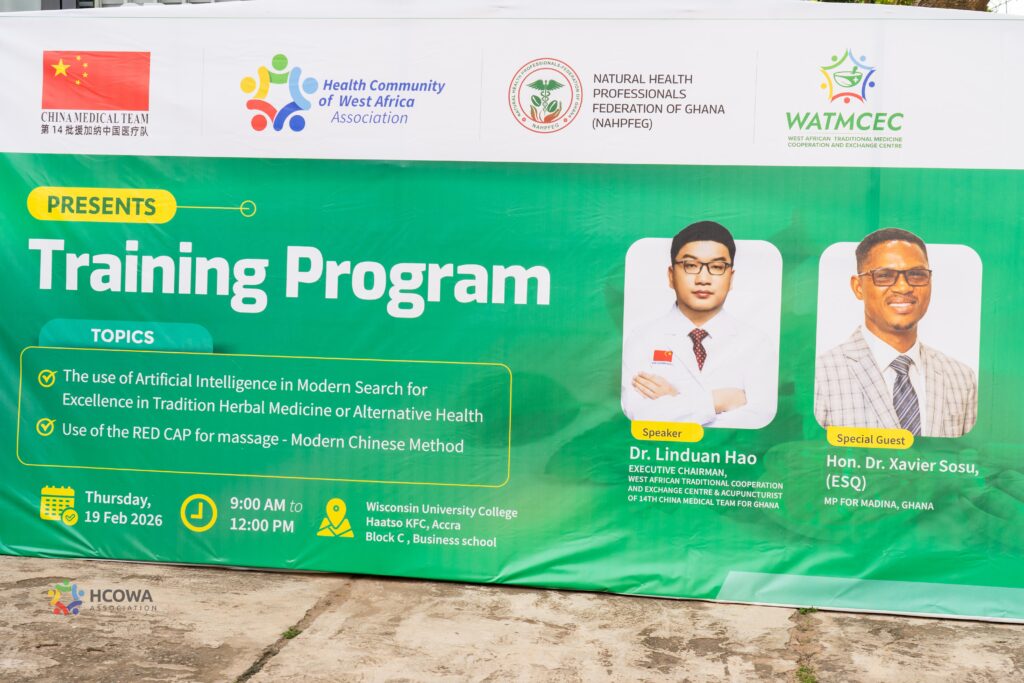


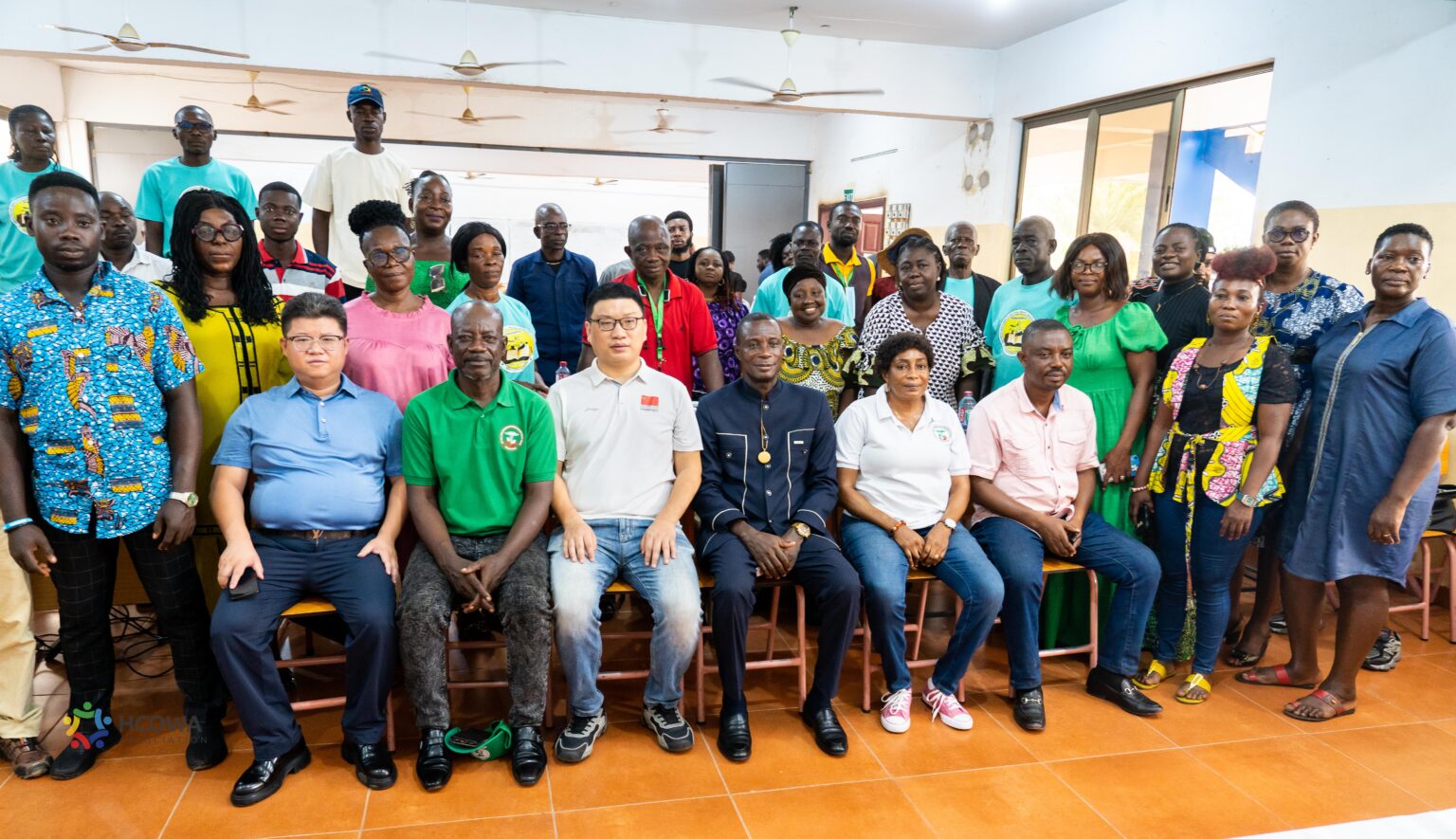

The Health Community of West Africa Association, in collaboration with the 14th Batch China Medical Team, and the West African Traditional Medicine Cooperation and Exchange Centre (WATMCEC), have jointly hosted an impactful training session for the association of Natural Health Professionals Federation of Ghana (NAHPFEG), on Thursday, February 19, 2026.
The event, held at Wisconsin University International College, focused on the practical application of Traditional Chinese Medicine (TCM), specifically Red Cupping Massage Therapy, within the context of modern technological advancements.
Themed “The Use Of Artificial Intelligence In The Modern Search For Excellence In Traditional Herbal Medicine And Alternative Healthcare,” the session drew health professionals eager to explore how time-honored healing practices can be enhanced by contemporary science and integrated into West African healthcare systems.
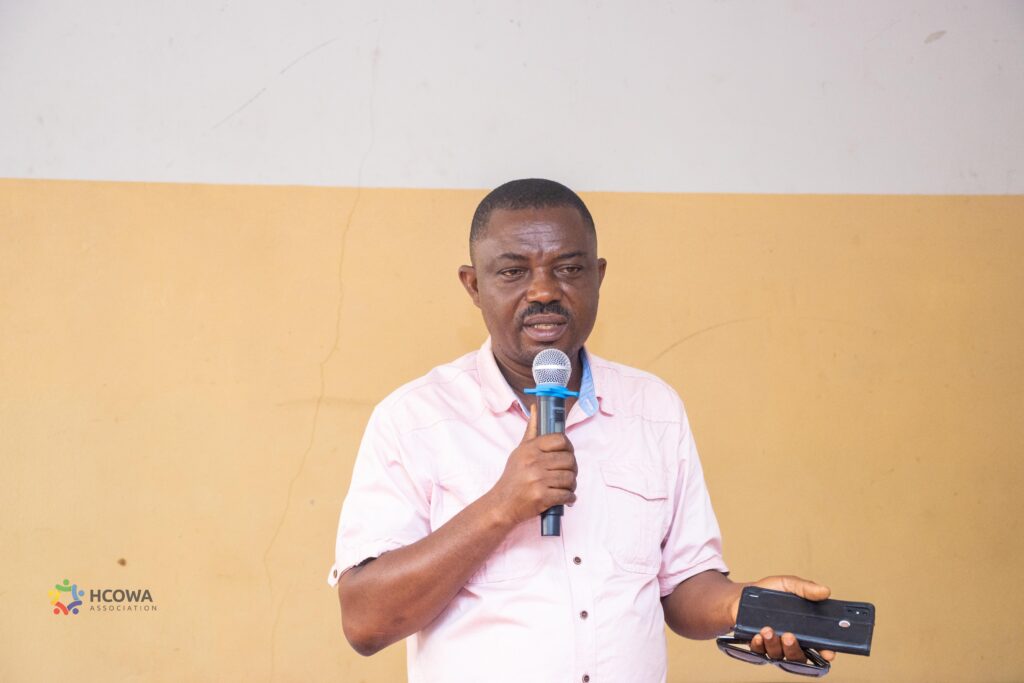
The training was rooted in a core philosophy shared by the organizing bodies: that the future of healthcare lies in collaboration, not exclusion. Reverend Charles, delivering the welcome address, set the tone by emphasizing the training’s goal to “broaden the knowledge and assist in strengthening healthcare in the system,” urging participants to engage deeply with the material.
This sentiment was powerfully echoed by Prince Opoku Dogbey, Vice President of HCOWA. In his opening speech, he highlighted the natural synergy between African and Chinese medical traditions.
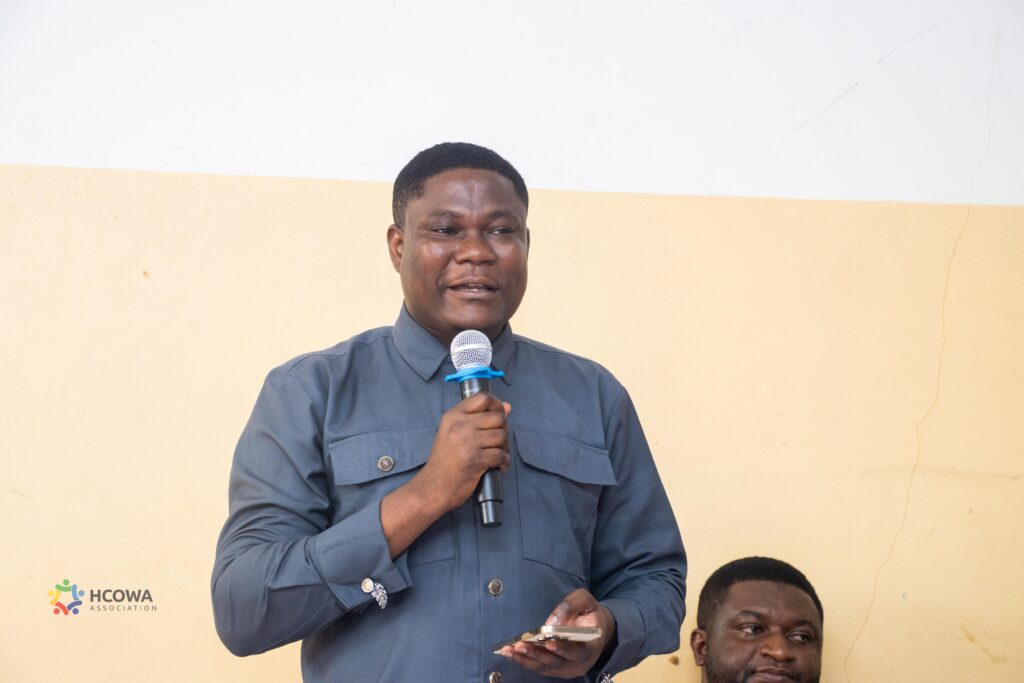
“Here in Africa, we are not strangers to traditional medicine, our indigenous healing systems have long emphasised holistic care—treating the body, the mind, and the environment together. What HCOWA advocates for is structured integration: combining the strengths of indigenous African medicine with scientifically validated traditional systems like TCM, within regulated, ethical, and clinical frameworks.” Prince Opoku Dogbey stated.
Traditional Chinese Medicine, one of the world’s oldest continuous medical systems, is increasingly recognized globally for its non-invasive, low-risk therapies. Among these, Red Cupping Therapy—a technique involving suction on the skin to promote blood flow and relieve pain—took center stage.
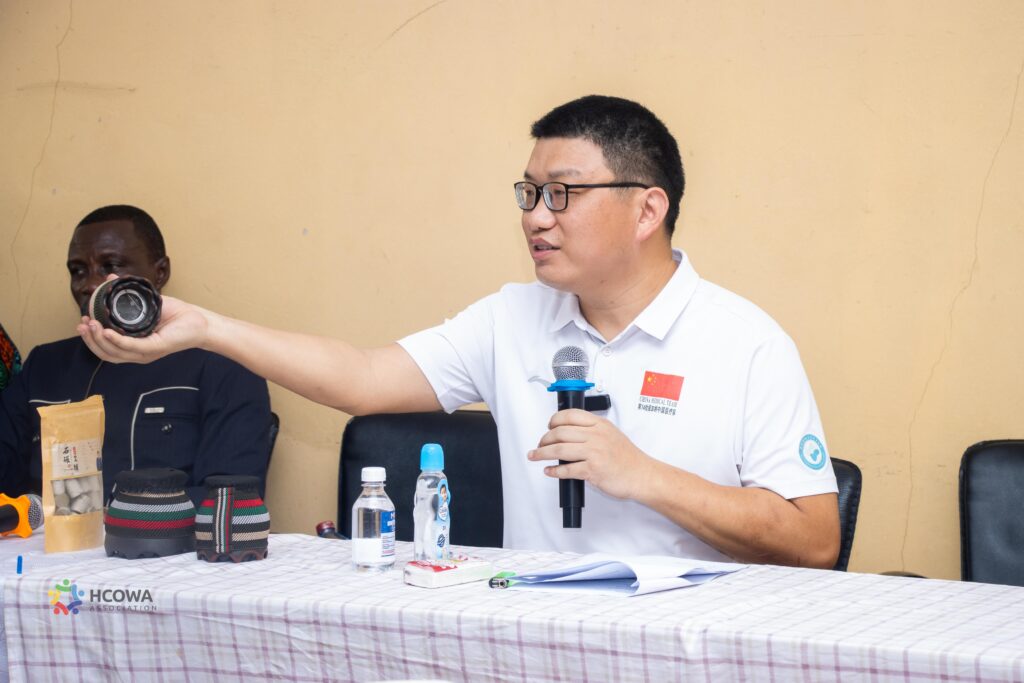
Dr. Linduan Hao, Executive Chairman of WATMCEC, framed the therapy as an ideal candidate for integration into West African clinical practice. “Red cupping therapy is practical, cost-effective, and adaptable, for doctors, it represents an additional therapeutic option that can be integrated into daily practice—whether for pain relief, rehabilitation support, or adjunctive care—without replacing conventional medical treatment.” Dr. Hao explained.
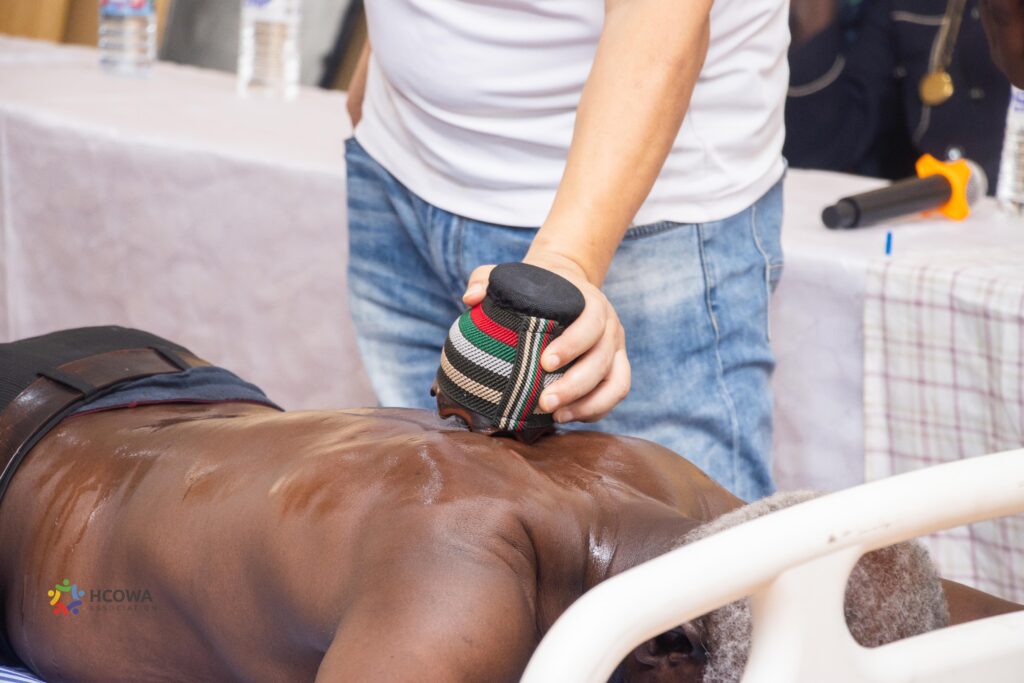
The session moved from theory to practice with a live demonstration by Dr. Hao. A volunteer from the audience, Mr. Bediako Mensah who works at the University received the Red Cupping treatment, focused on the back. The immediate feedback was positive and telling. Mr. Bediako shared a spontaneous testimony, stating, “This morning I was feeling some back pains; however, after the massage, I feel a bit relieved and I wish it could have lasted longer.”
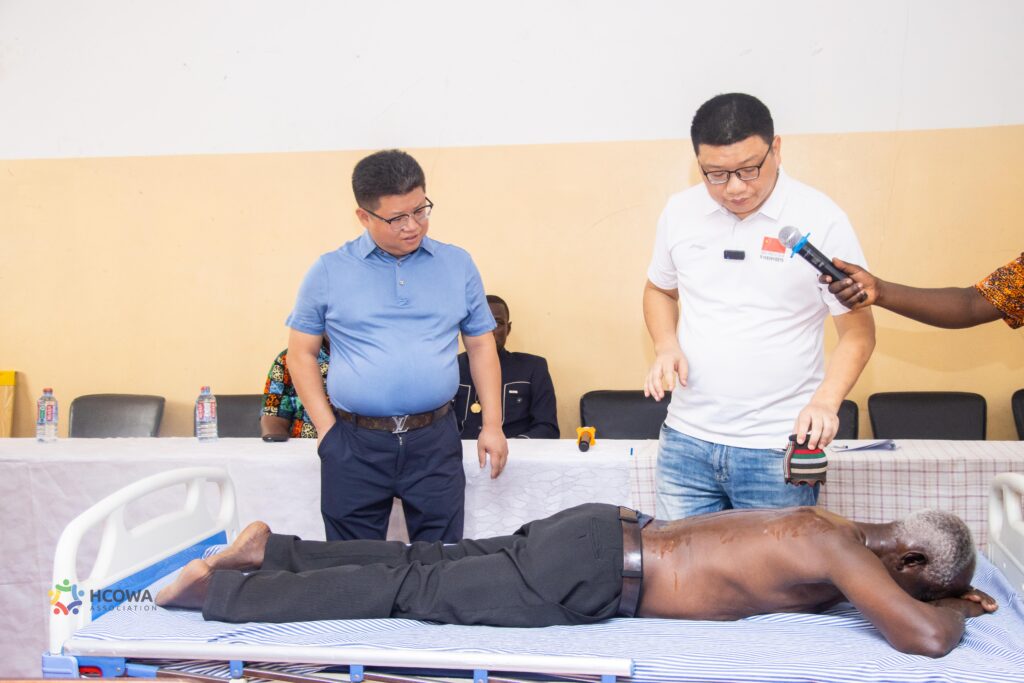
The hands-on training continued as Ennison Isaac Neph, a member of NAHPFEG, volunteered to be the subject for the next demonstration, allowing the Ghanaian health professionals to observe the technique up close as part of their practical learning.
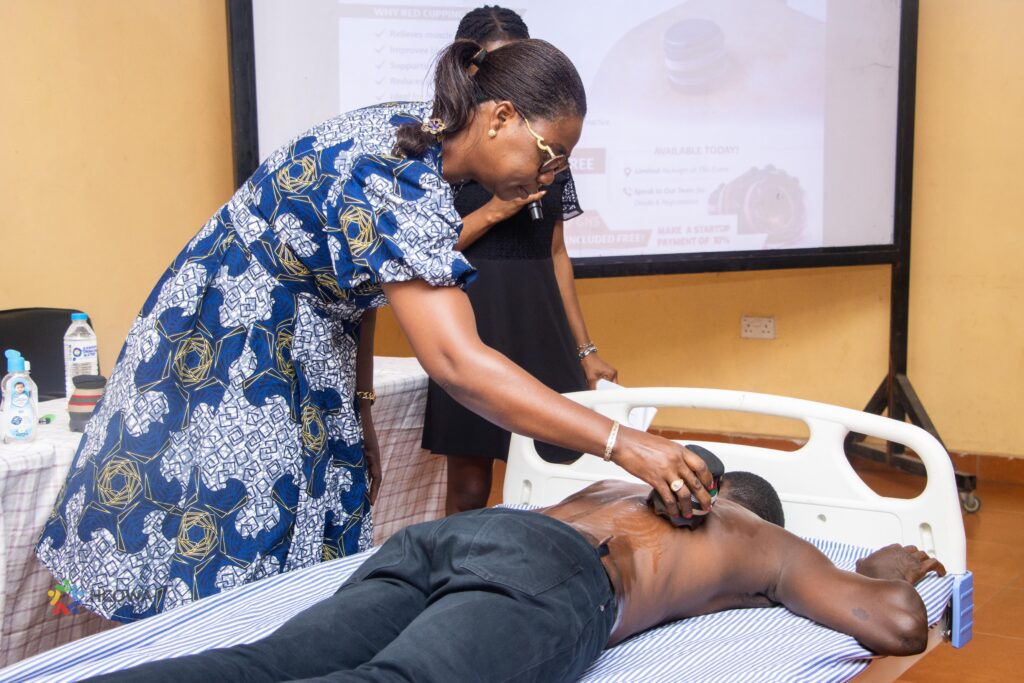
The interactive nature of the event fostered a rich learning environment. The training concluded with a dynamic question-and-answer session, where participants sought clarity on the treatment’s applications and mechanisms. This was followed by an opportunity for networking and even inquiries about purchasing Red Cupping sets, indicating a strong interest in adopting the practice.
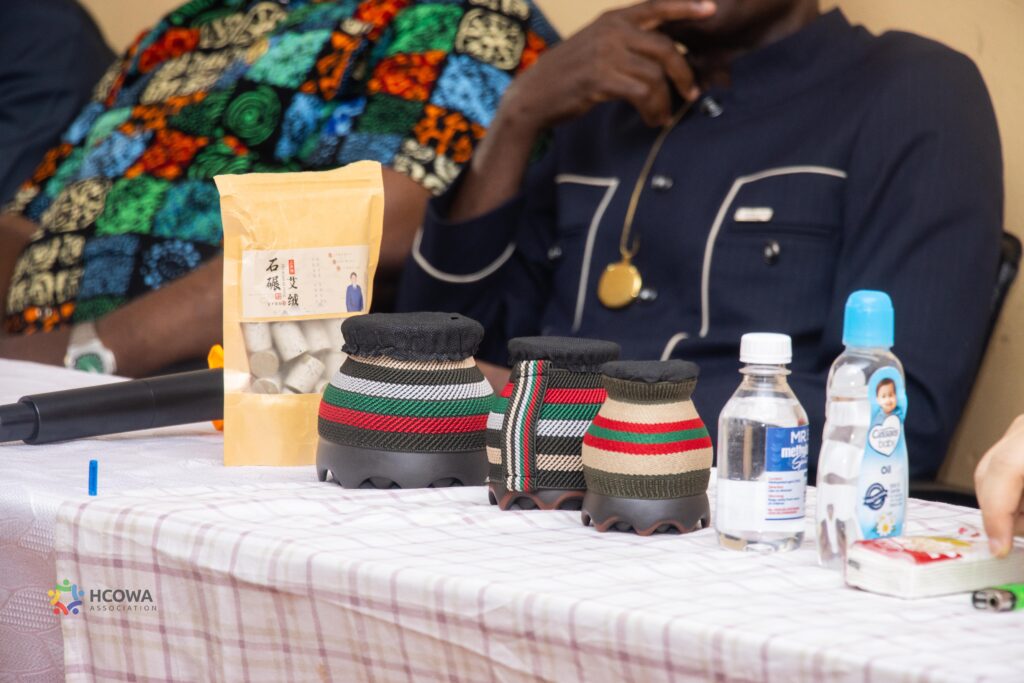
Crucially, the session underscored the importance of patient safety. In a key piece of clinical advice, Dr. Hao cautioned the trainees, stating, “If you are using the Red Cupping on a patient and he expresses excruciating pain, kindly put a hold on the treatment.”
The collaboration marks a promising step toward a more diverse and robust healthcare landscape in West Africa. By blending the holistic principles of both African and Chinese traditions with the analytical power of modern tools like AI, initiatives like this training are paving the way for a future where patients have access to a wider, more effective, and culturally resonant range of therapeutic options.