



By Rev. Mrs. Charity Essie Djokoto, Head of Nursing, Ghana College of Nurses & Midwives
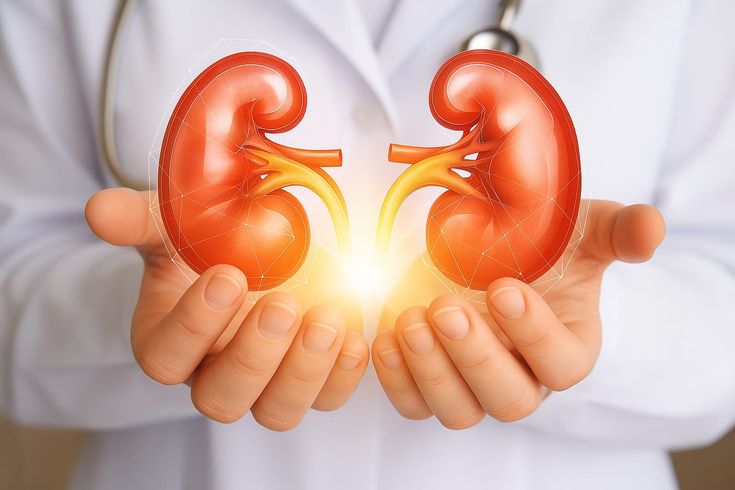
Kidney health is an important aspect of women’s overall well-being. The kidneys are two bean-shaped organs located on either side of the spine, just below the rib cage. The kidney’s functions includ removing metabolic waste products, regulating fluid balance, maintaining electrolyte levels, controlling blood pressure, and producing hormones that support red blood cell production and bone health. When kidney function becomes impaired, it can lead to serious health complications. Women experience some unique risks related to kidney disease due to biological, hormonal, reproductive, and social factors.
Why Kidney Health is Especially Important in Women
Urinary Tract Infections (UTIs): Bacterial infections affecting the bladder and kidneys. Women are more prone to UTIs than men due to their shorter urethra, making it easier for bacteria to enter the urinary tract. Recurrent UTIs could lead to kidney infections.
Pregnancy: the state of being pregnant leads to issues such as increased blood volume, hormonal changes, ureter compression from the growing foetus these can cause issues, especially in women with pre-existing conditions.
Pregnancy-related complications blood pressure changes such as preeclampsia can damage the kidneys and increase the risk of future chronic kidney disease. Example: a pregnant woman develops high blood pressure and protein in her urine (preeclampsia), which may temporarily impair kidney function.
Autoimmune diseases: Women are more likely to develop autoimmune diseases such as Systemic Lupus Erythematosus which can cause kidney inflammation (lupus nephritis).
Socioeconomic factors: In many settings, women have limited access to healthcare, leading to delayed diagnosis and treatment of kidney conditions
Kidney Stones: Hard deposits of minerals and salts in the kidney causing blockage and pain. Dehydration and mostly diets high in animal protein (uric acid), processed foods and high salt intake as well as sugar (fructose) can contribute to stone formation.
Long-term use of certain medications: prolonged use of gentamycin, pain medications including acetaminophen in high doses and NSAIDs is another risk
Diabetes: High blood sugar levels damages kidneys over time.
Hypertension: High blood pressure strains kidneys, affecting their function.
Other risk factors include:
Family History of kidney disease and being Obese as well as Severe dehydration due to severe diarrhoea, vomiting or low water intake leading to Acute Kidney Injury (AKI ) which is sudden decline in kidney function, lifestyle risks include smoking.
Symptoms
Early stages of kidney damage may show no symptoms, but later stages include Fatigue, Nausea,
Swelling of legs and feet, Decreased urine output and High blood pressure
Prevention of Kidney Disease in Women
Preventive measures can significantly reduce the risk of kidney disease.
- Maintain Healthy Blood Pressure by regular monitoring and controlling hypertension.
- Women with diabetes should control blood sugar by maintain optimal glucose levels.
- Ensure adequate hydration by drinking sufficient water to help keep blood volume.
- Maintain healthy diet habit of low salt intake, increased fruits and vegetables, and reduced processed foods
- Avoid misuse of medications, especially overuse of painkillers
- Prompt treatment of infections, especially UTIs prevents kidney complications.
Management of Kidney Disease
Management depends on the stage and severity of kidney disease.
- Medications to control blood pressure, blood sugar, cholesterol and anaemia
- When kidneys fail, dialysis may be required to filter waste and water from the blood.
- Kidney Transplant may be necessary in end-stage kidney disease
- Lifestyle management such as following a renal diet, reducing sodium intake monitoring fluid intake, maintaining healthy weight and avoiding smoking becomes necessary changes one can make in the control of kidney function.
