


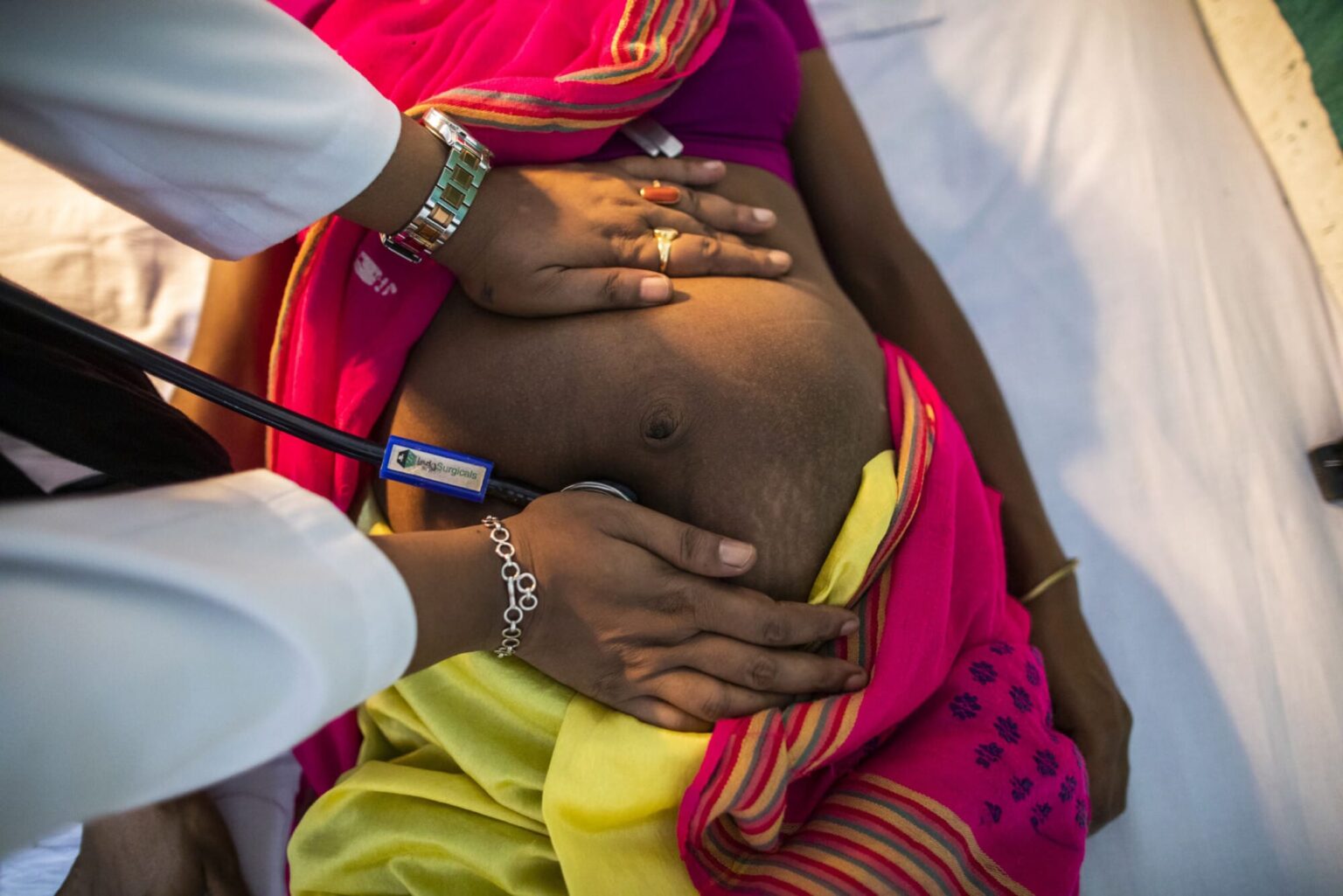

Health officials in the North East Region have raised alarms over a steady rise in maternal deaths, even as the area records remarkable progress in controlling malaria and tuberculosis. The concerning trend was revealed at the 2025 Annual Performance Review held in Nalerigu, where the Regional Director of Health Services, Dr Godfred Kwabena Sarpong, presented data showing that institutional maternal mortality increased from 48 per 100,000 live births in 2024 to 60 per 100,000 live births in 2025. That rise translates to an increase from ten to fourteen reported cases over the period under review.
Dr Sarpong was quick to caution that the true scale of the problem could be even worse, as many maternal deaths occurring in communities are never reported to health facilities. He attributed the worsening situation to a combination of systemic challenges, including inadequate health infrastructure, a shortage of doctors, the absence of a regional hospital and a lack of regional medical stores. The region, he explained, still relies entirely on the Northern Regional Medical Stores for essential supplies, which creates delays in emergency response and weakens the referral system. Most of these deaths, he noted, were preventable, but gaps in the quality of care continue to claim lives.
Despite this setback in maternal health, the North East Region has recorded notable successes in other areas. Dr Sarpong announced that no malaria-related deaths have been recorded so far in 2026, with malaria incidence dropping from 166 to 130 cases per one thousand population. Tuberculosis case retention also saw a dramatic improvement, rising from 47.8 per cent in 2024 to 80.9 per cent in 2025, while treatment success rates now exceed ninety per cent. Additionally, neonatal mortality declined slightly from six to five per one thousand live births over the same period.
Speaking at the same forum, which was held under the theme “Advancing Universal Health Coverage through Innovation, Accountability and 24-Hour Quality Health Services: The Role of Stakeholders,” the Director for Special Duties at the Ghana Health Service, Dr Abdulai Abukari, acknowledged that achieving Universal Health Coverage remains a major challenge, particularly for newer regions like the North East. He stressed that significant investment in infrastructure, human resources, equipment, and logistics is required to help the region catch up with more established ones.
The North East Regional Minister, Ibrahim Tia, however, offered a glimmer of hope. He commended health workers for their dedication and announced that the government’s Free Primary Health Care policy would be rolled out this year to expand access to essential services at CHPS compounds, health centres, and polyclinics. He further revealed that six completed CHPS compounds with accommodation would be delivered to the region, and he encouraged health professionals to accept postings to the area. Until those interventions take full effect, Dr Sarpong said his directorate would continue working closely with stakeholders to strengthen monitoring and community education in a bid to reverse the disturbing rise in maternal deaths.
Source: Graphic Online
