








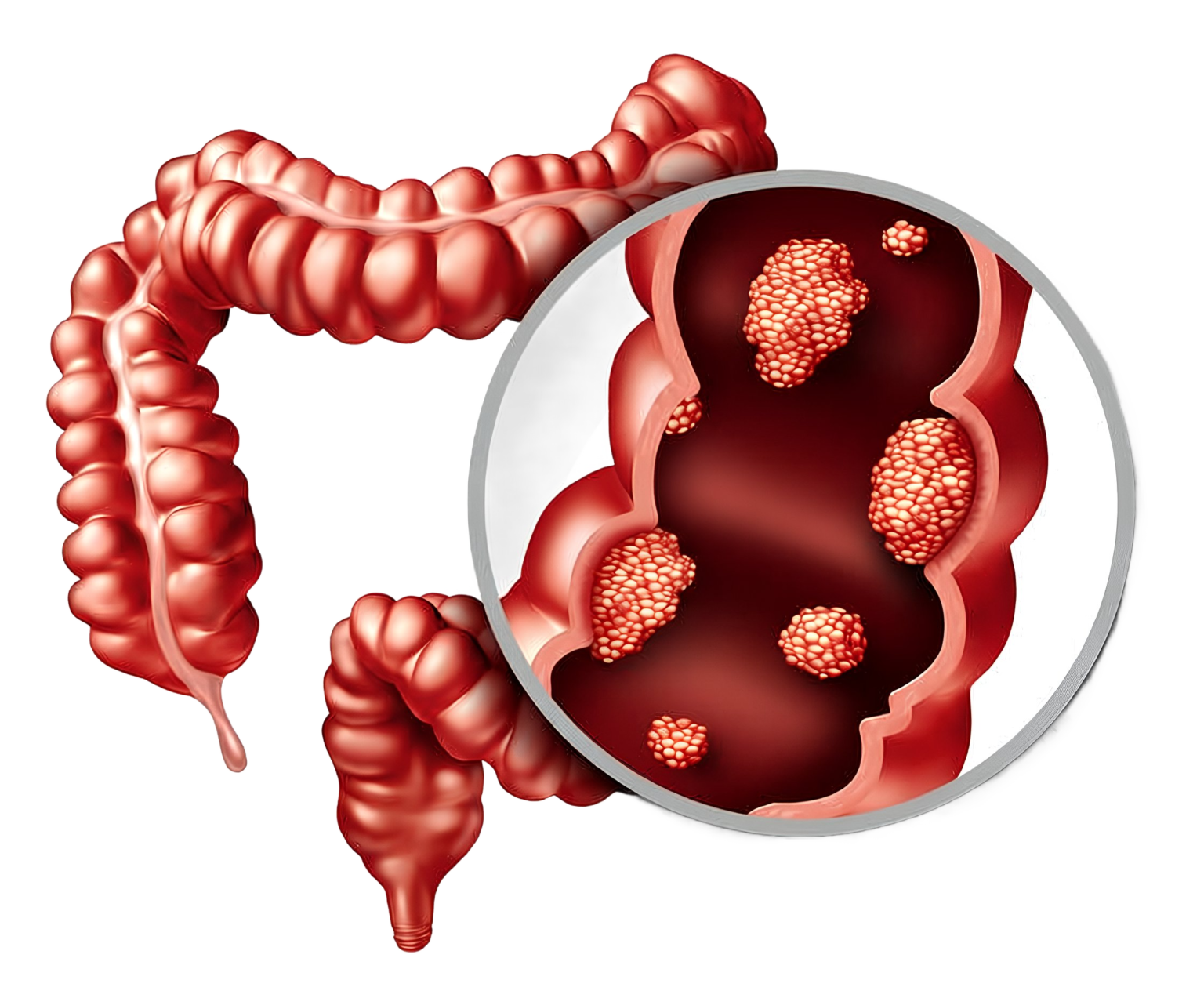


Recent global health data show a promising trend: fewer young adults are dying from many of the world’s leading cancers. Advances in early detection, improved treatment, and better prevention strategies have contributed to declining mortality from several major cancer types. However, one alarming exception is emerging colorectal cancer.
Unlike other cancers, deaths from colorectal cancer are increasing among young adults, making it one of the most concerning cancer threats for people under 50. While mortality from cancers such as lung, breast, leukemia, and other major types continues to decline, colorectal cancer is moving in the opposite direction, raising serious public health concerns.
Health experts describe this shift as a critical warning sign. Medical progress has significantly improved survival outcomes for many cancers, but colorectal cancer has not benefited equally from these advances. One major contributing factor is late-stage diagnosis. Younger adults are often diagnosed only after symptoms become severe, reducing treatment success and survival chances. Common warning signs include rectal bleeding, persistent abdominal pain, changes in bowel habits, unexplained weight loss, and chronic fatigue symptoms that are frequently ignored or misattributed to less serious conditions.
Another challenge is low screening rates among younger populations. While screening guidelines have been updated in many regions to start earlier, awareness and access remain limited. Many young adults do not perceive themselves to be at risk, leading to delayed testing and missed opportunities for early detection.
Researchers are still working to understand why colorectal cancer is rising in younger age groups. Possible contributing factors include poor diet, physical inactivity, obesity, increased consumption of ultra-processed foods, environmental exposures, and changes in gut health. These lifestyle and environmental influences highlight the growing connection between modern living patterns and cancer risk.
Public health experts stress that this trend is a wake-up call. Cancer is no longer only a disease of older age. Young adults must become more aware of their cancer risks, recognize early warning signs, and seek medical attention promptly. Health systems, in turn, must strengthen awareness campaigns, expand access to screening, and integrate prevention strategies into routine healthcare services.
As progress continues in reducing deaths from many cancers, the rise of colorectal cancer in young adults stands as a reminder that prevention, early detection, and lifestyle-focused health policies remain essential to protecting future generations and reversing this dangerous trend.


