


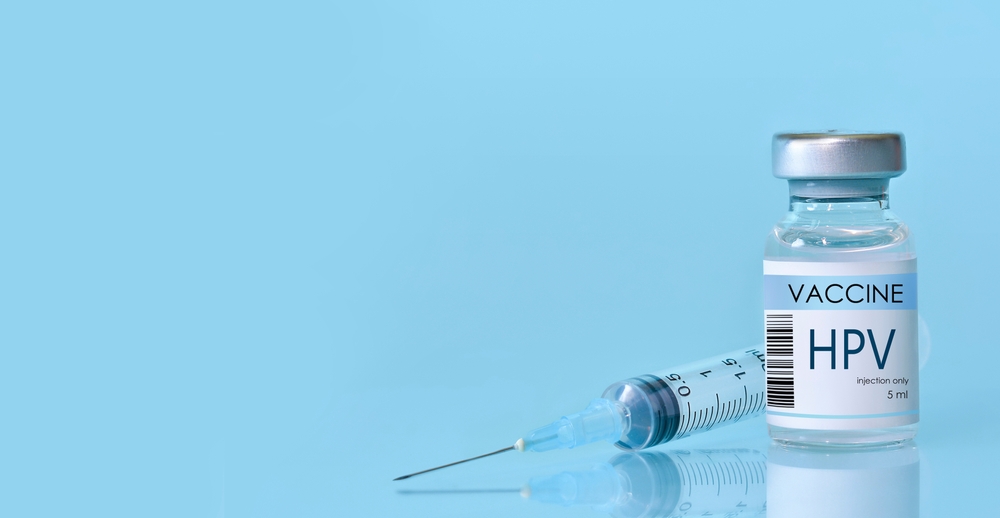

In a decisive move against one of the nation’s most pressing women’s health threats, the South African National Department of Health officially launched its annual Human Papillomavirus (HPV) vaccination campaign this week. The initiative aims to protect young schoolgirls from cervical cancer, a disease that claims over 3,000 lives in the country every year.
Health Department spokesperson Foster Mohale underscored the critical need for the campaign, noting that cervical cancer is the second most common cancer among South African women. Annually, more than 5,700 new cases are diagnosed, leading to a devastating mortality rate. The public health challenge is further amplified by South Africa’s high prevalence of HIV, as individuals with weakened immune systems are at a significantly greater risk of developing persistent, cancer-causing HPV infections.
“The success of the campaign to protect girls from this preventable, yet deadly disease hinges on stronger collaboration among all stakeholders,” Mohale stated. He emphasized the crucial role of parents and caregivers, who are required to complete and return the vaccination consent forms distributed through schools. To ensure broad access, teams of healthcare workers will visit schools across the country to administer the vaccine directly.
Authorities sought to reassure the public about the vaccine’s safety record, highlighting that millions of girls in South Africa have already received the HPV immunization without serious side effects. The campaign is a cornerstone of the country’s long-term strategy to reduce the future burden of cervical cancer, which is almost entirely preventable through vaccination and screening.
This annual effort aligns with global goals to eliminate cervical cancer as a public health problem. By focusing on school-based vaccination, South Africa aims to achieve high coverage among the key demographic of young adolescent girls, providing them with lifelong protection before they are exposed to the virus. The Health Department’s call for unified support from families, schools, and communities underscores a collective mission to safeguard a generation from a leading cause of cancer death.
Source:myjoyonline

1 Comment
Very good post. I definitely appreciate this site. Thanks!