


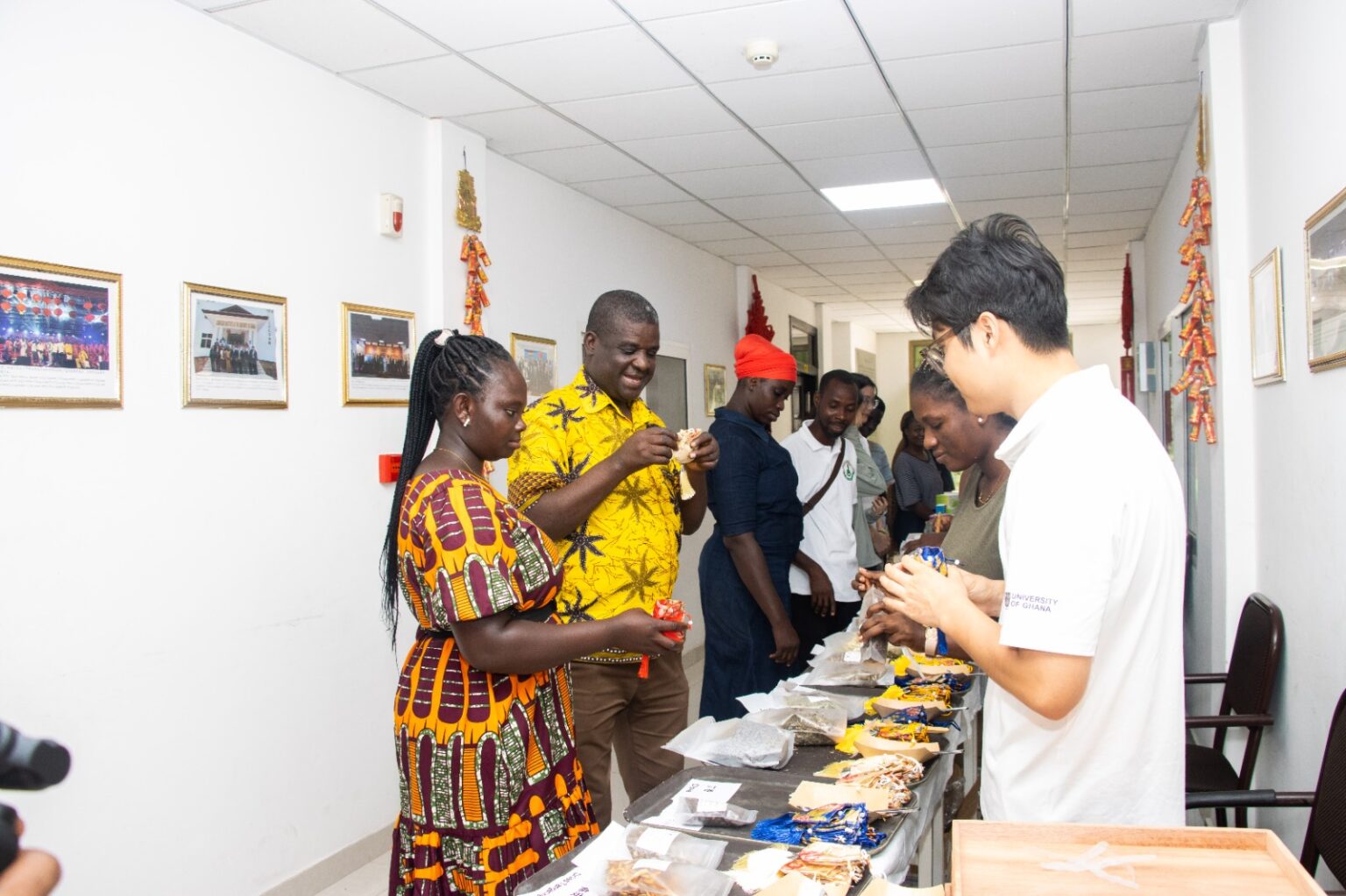

A major highlight of the Third China–Ghana Traditional Medicine Forum was the Chinese Herbal Medicine Exhibition, which offered participants a rare, immersive look into the depth, diversity, and evolving innovation within Traditional Chinese Medicine (TCM).
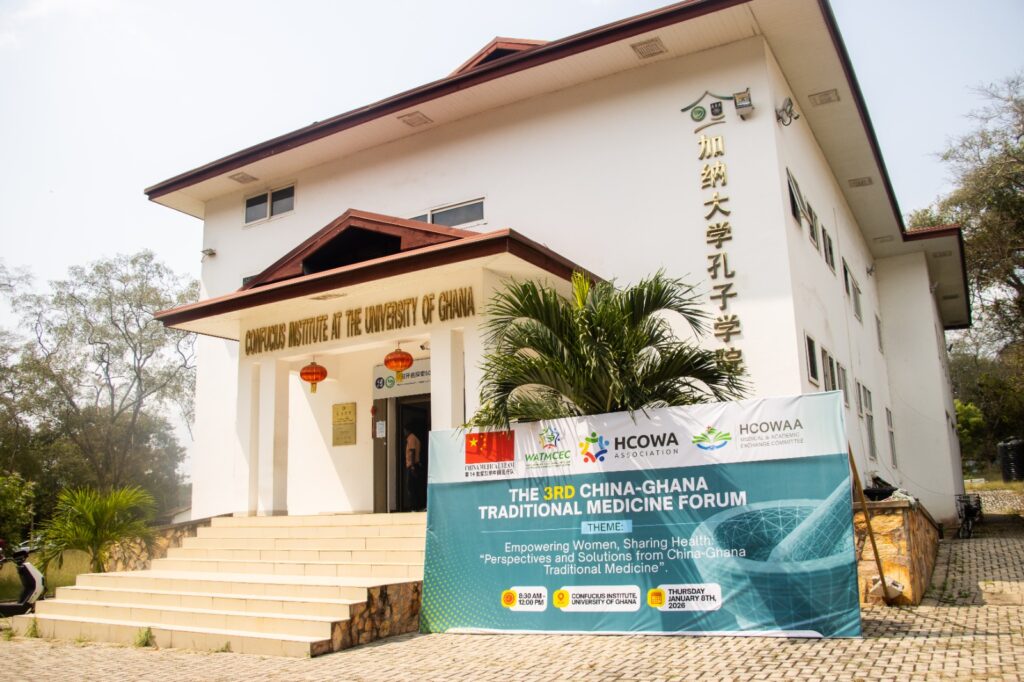
The exhibition featured a carefully curated display of Chinese herbal decoctions, prepared medicines, and therapeutic materials, drawing strong interest from health professionals, traditional medicine practitioners, researchers, students, and members of the public. Attendees were guided through the uses, preparation methods, and therapeutic relevance of various herbal formulations commonly applied in disease prevention, women’s health, and chronic condition management.
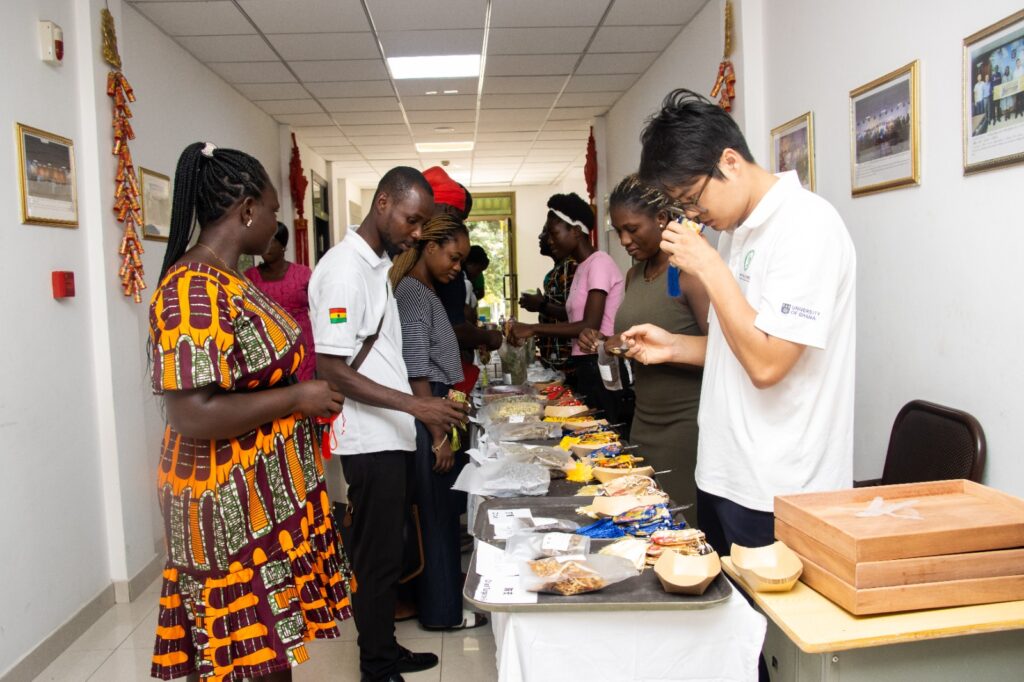
Beyond static displays, the exhibition served as an interactive learning space where participants engaged directly with experts from the 14th China Medical Team in Ghana and collaborating institutions. Exhibitors explained how traditional herbal knowledge is preserved while being adapted to meet modern standards of safety, dosage, and quality assurance.
The exhibition also demonstrated how innovation is reshaping traditional medicine practice. Visitors were introduced to AI-supported Traditional Chinese Medicine consultations, highlighting how technology can assist in diagnosis, treatment recommendations, and personalized care while respecting traditional principles. This integration of digital tools with age-old medical knowledge sparked conversations around the future of traditional medicine in Africa and its role in modern healthcare systems.
Live demonstrations of therapeutic techniques, including cupping and tendon-scraping therapy, further enriched the exhibition experience, allowing participants to observe firsthand how traditional interventions are applied in clinical settings. These demonstrations emphasized the importance of proper training, regulation, and evidence-based practice in ensuring patient safety.
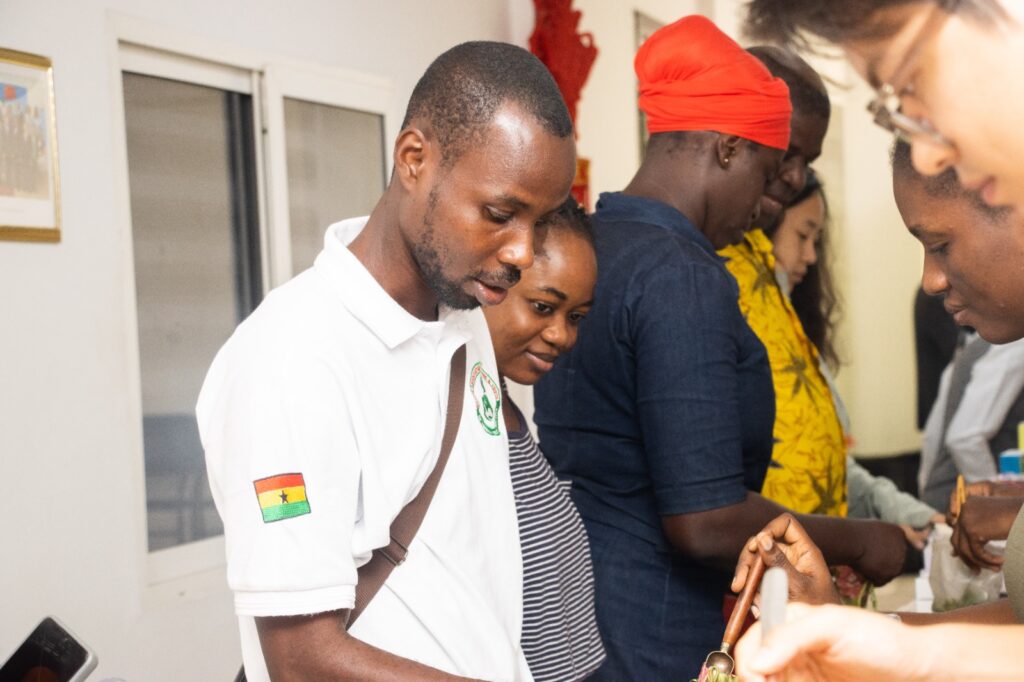
Speaking on the significance of the exhibition, resource personnels noted that such platforms are essential for knowledge exchange, public education, and professional collaboration. By showcasing regulated herbal products and standardized practices, the exhibition reinforced the Ministry of Health’s commitment to promoting traditional medicine that is safe, effective, and complementary to orthodox healthcare.
The Exhibition stood as a powerful reflection of the growing China–Ghana partnership in healthcare, illustrating how shared knowledge, innovation, and mutual respect can advance traditional medicine while supporting national health priorities, particularly in improving access to quality care for women and underserved communities.
