


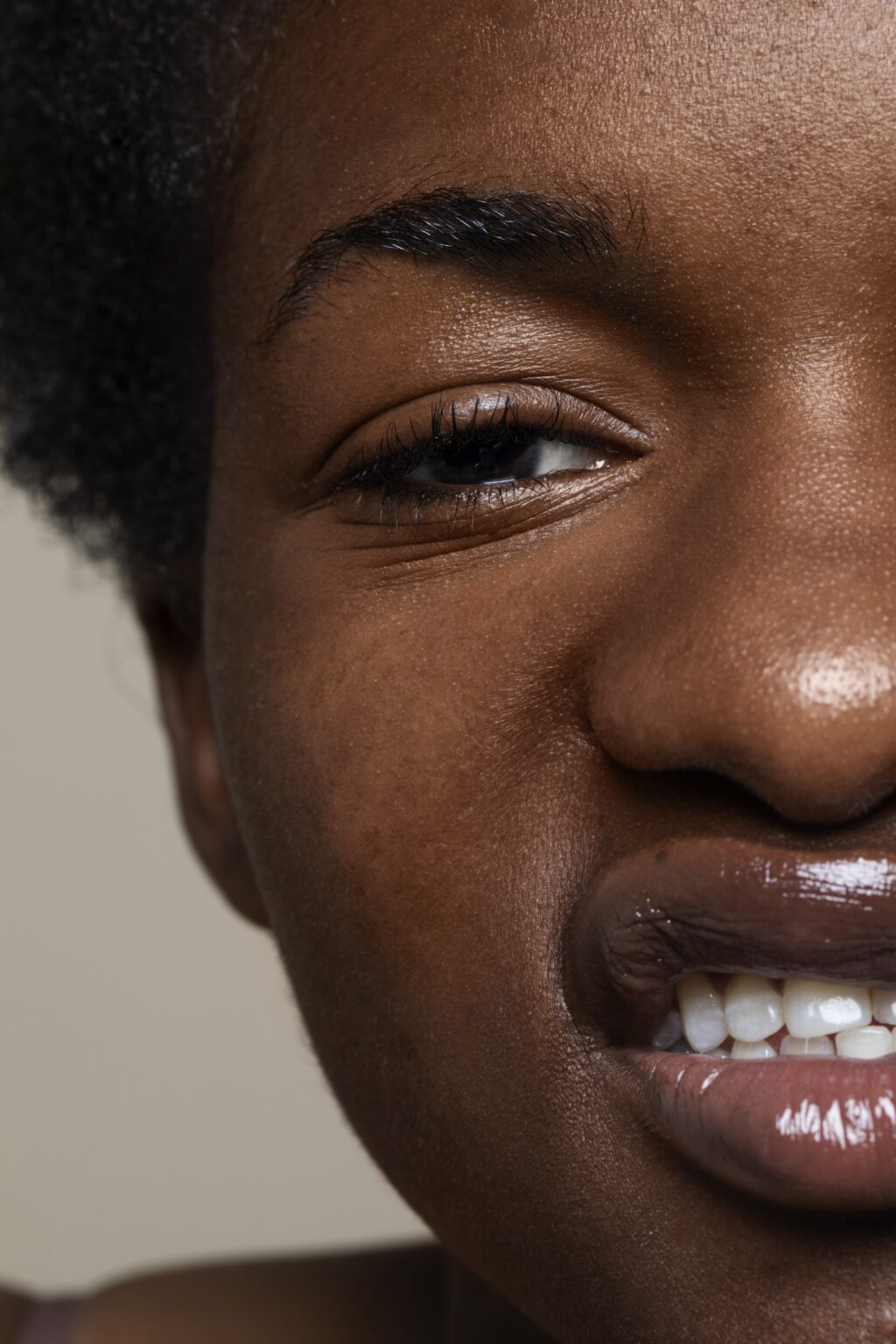

Beyond its visible surface, your skin is the body’s largest and most dynamic organ—a layered, living shield. Composed of the protective epidermis, the supportive dermis, and the insulating hypodermis, it performs essential life functions: it defends against pathogens, regulates temperature, senses the environment, and synthesizes vitamin D.
The outermost layer, the epidermis, is our waterproof, keratinized frontier. Its topmost sheets are composed of dead cells that constantly slough off, taking with them trapped microbes and debris. Below this, living keratinocytes multiply and produce keratin, the tough protein that gives skin its resilience. Specialized immune cells within the epidermis stand guard, ready to signal an invasion.
Beneath this lies the dermis, the skin’s structural engine. This dense layer of connective tissue is a rich network of collagen and elastin fibers, providing strength and elasticity. It houses the vital machinery: sweat glands that cool the body and aid detoxification, sebaceous glands that secrete protective oils, hair follicles, and a vast infrastructure of blood vessels and nerve endings. These nerves transform the skin into a exquisite sensory organ, detecting temperature, pressure, and pain.
The deepest layer, the hypodermis or subcutaneous tissue, is an insulating cushion of fat and connective tissue. It anchors the skin to underlying muscle and bone, stores energy, and provides thermal insulation and shock absorption.
It is precisely because the skin is so vital that it becomes the main battleground for Neglected Tropical Diseases (NTDs). Pathogens exploit this organ: Buruli ulcer destroys its tissue while numbing its nerves; leishmaniasis causes disfiguring sores; leprosy attacks its nerves, leading to loss of sensation. These diseases breach the skin’s barrier, turning its protective functions against the body and often marking survivors with lifelong stigma.
Protection begins with reinforcing the skin’s natural defenses. Using insect repellent, wearing covering clothing, and practicing proper wound hygiene create crucial barriers. Community education to recognize early changes—like a painless bump or a numb patch—enables life-saving early treatment. Ultimately, safeguarding this sentinel organ through simple, vigilant care is fundamental to preventing NTDs and preserving not just skin, but health, dignity, and community belonging.
