


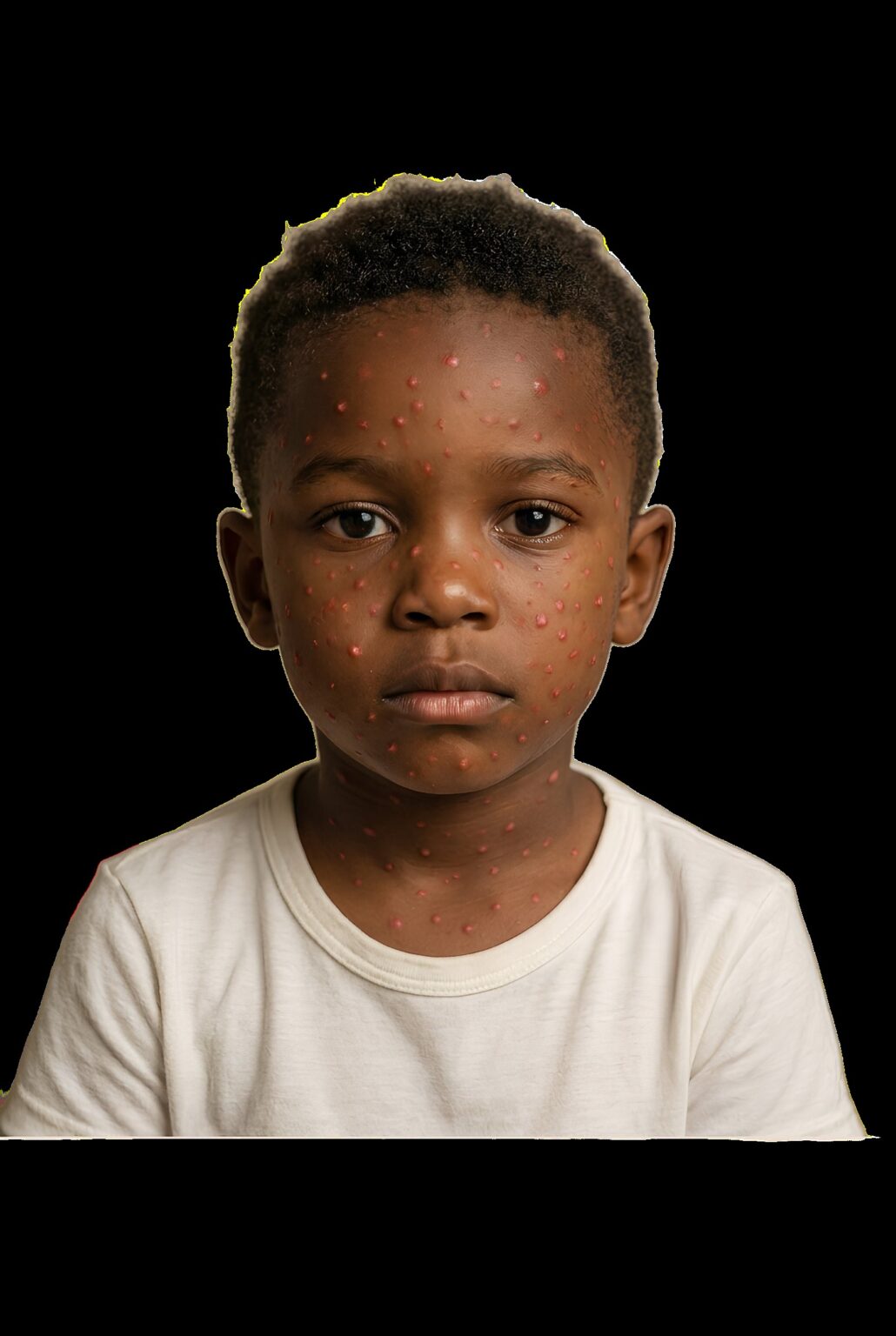

We measure illness in symptoms cured and parasites cleared. But for a child, the truest toll of a neglected tropical disease is often counted in silent currencies: missed friendships, lost classroom days, and a self-esteem shaped by shame. While medicine fights the infection in the body, a parallel battle unfolds in the developing mind—one that frequently leaves the deepest scars.
When diseases like schistosomiasis or soil-transmitted helminths invade a child’s body, they do more than cause anemia or abdominal pain. They steal the very energy required to learn and grow. A child battling chronic fatigue doesn’t just fall behind in arithmetic; they miss the social algebra of the playground—the shared secrets, the negotiated rules of a game, the quiet confidence that comes from belonging. This isn’t merely an educational gap; it’s a developmental interruption that can alter the architecture of opportunity. Cognitive delays become intertwined with social hesitancy, creating a foundation of insecurity rather than exploration.
If the disease leaves a visible mark—a healed ulcer, a lingering swelling—a different wound forms. Children can be cruel without meaning to be. A stare, a whispered name, an avoided seat on the bench becomes daily lessons in difference. A child learns to see themselves as separate, their identity shaped around what sets them apart rather than who they are inside.
These experiences—the cognitive delay and the social shame—merge into a quiet burden that can last a lifetime. It’s not just about lower test scores or missed opportunities. It’s about entering adulthood with a foundation of insecurity, a heightened risk for anxiety and depression, and a lingering sense of being less than.
Healing, then, must look beyond the body. True recovery asks if the child is back in class, playing with friends, and beginning to believe in their own wholeness again. It requires that we treat not just the infection, but its invisible echo in the mind. Because saving a child from disease should mean giving them back their entire future, not just a clean bill of health.
