


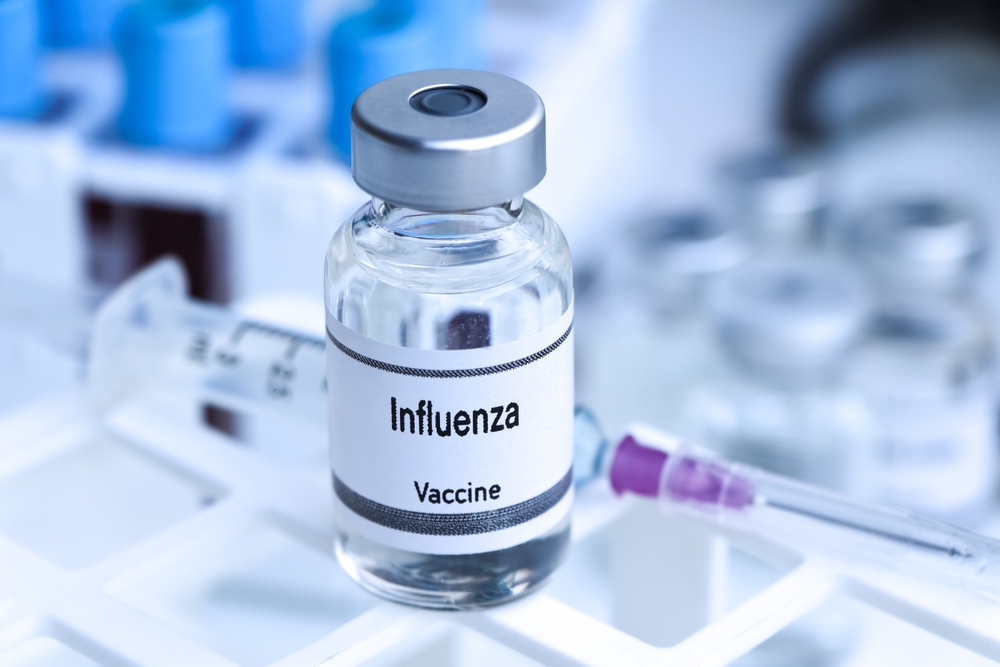

A new assessment from the World Health Organization (WHO) estimates that next-generation influenza vaccines could prevent up to 18 billion cases of the flu and save more than 6 million lives globally over the next 25 years.
The findings, published on 18 February 2026, are part of a comprehensive WHO report titled the “Full Value of Improved Influenza Vaccine Assessment” (FVIVA). It evaluates the potential health, economic, and policy impacts of developing vaccines that offer broader and longer-lasting protection than current seasonal shots.
Currently, seasonal influenza imposes a massive health burden worldwide. Each year, there are around one billion cases of flu, with 3 to 5 million leading to severe illness and an estimated 290,000 to 650,000 deaths from respiratory complications.
While existing vaccines help reduce disease, their effectiveness varies from season to season and among different population groups. Protection is short-lived, requiring annual reformulations based on WHO’s strain recommendations. Furthermore, access remains unequal, with the majority of doses used in higher-income countries.
The new assessment suggests that improved vaccines—designed to be effective against multiple strains and for longer than a single season—could be a game-changer, especially for those at higher risk, such as older adults, young children, and pregnant women.
“This assessment makes clear the potential benefits that improved influenza vaccines could offer across different settings, it provides all those working on future influenza vaccine investments, policy development and research priorities a common set of evidence to catalyze vaccine development.” said Dr Philipp Lambach, WHO technical lead of the project.
The report also highlights a significant co-benefit in the fight against antimicrobial resistance (AMR). By preventing flu infections, which often lead to unnecessary antibiotic prescriptions, next-generation vaccines could avert up to 1.3 billion daily doses of antibiotics between 2025 and 2050.
The FVIVA aligns with WHO’s Global Influenza Strategy and follows updated guidance released in December 2025 on preferred product characteristics for new vaccines. The guidance emphasizes the need for vaccines that provide stronger protection against severe disease, have improved temperature stability, and are suitable for use in low- and middle-income countries. It also calls for technologies that can be transferred to manufacturers in developing nations to support local production.
According to the Influenza Vaccines R&D Roadmap, there are currently 46 next-generation influenza vaccines in clinical development using diverse technology platforms. The WHO assessment provides a roadmap for investment and policy decisions to ensure these promising candidates reach the populations that need them most.
Source: WHO
