


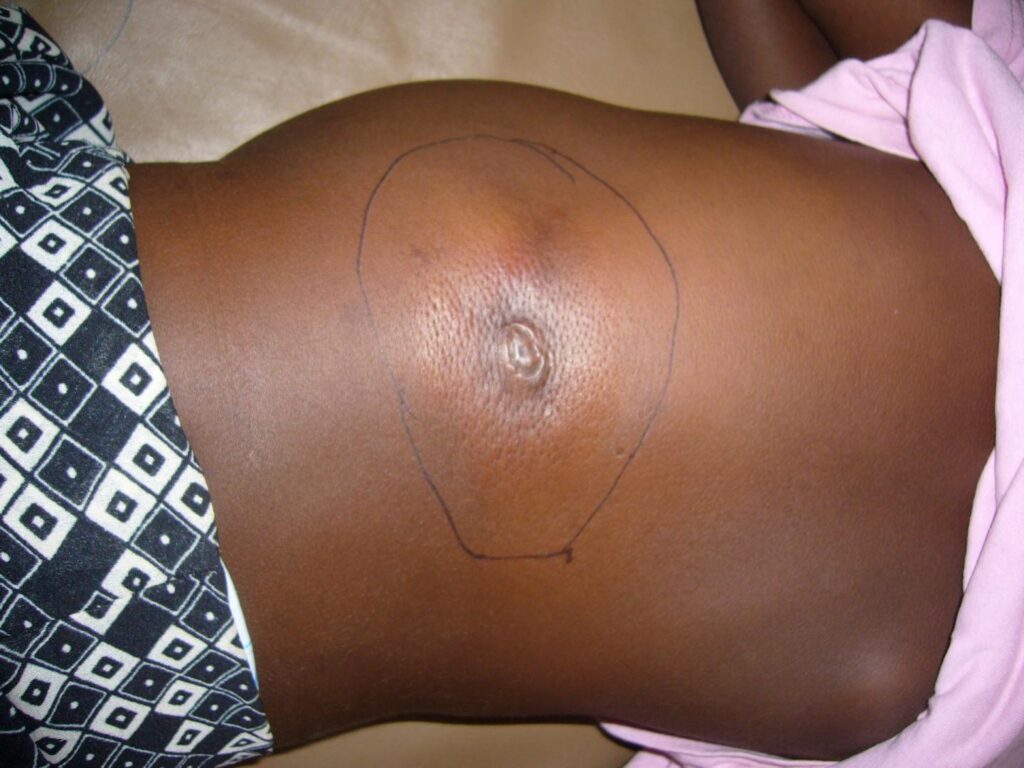

You wake up to find a small, painless bump on your arm. It looks like a bug bite or a harmless cyst. You ignore it. Weeks pass. The bump softens, swells, then erupts. An ulcer forms, with ragged, undermined edges. It doesn’t hurt much, but it grows relentlessly, eating away skin, fat, and sometimes even bone. There’s no fever, no dramatic illness—just your own body being consumed before your eyes.
This is the reality of Buruli ulcer, one of the world’s most neglected and mystifying skin diseases. Buruli ulcer is caused by Mycobacterium ulcerans, a cousin of the bacteria responsible for leprosy and tuberculosis. Unlike its relatives, this bacterium produces a potent toxin—mycolactone—that destroys tissue, suppresses the immune system, and numbs the area, allowing the infection to spread stealthily. The first sign is often that innocuous, painless nodule. Left untreated, it can lead to devastating ulcers covering up to 15% of a person’s body, permanent disability and life-altering disfigurement.
The most insidious aspect of Buruli ulcer is its lack of pain in the early stages. In skincare, pain is an alarm bell. But here, the alarm is silent and the impact transcends the physical wound.Caring for Buruli ulcer, therefore, begins not with a prescription, but with a radical shift in perception. The first and most crucial step is to abandon the instinct to wait and see. Any unusual, painless bump or sore that lingers for more than a few weeks, especially in an area known for this disease, must be treated as a potential medical emergency. Seeking professional diagnosis at the nearest clinic is the single most important action a person can take.
Health workers, increasingly trained through integrated “skin NTD” programs, can distinguish this ulcer from other ailments and confirm it with laboratory tests. The standard treatment today is a powerful, eight-week course of oral antibiotics that can completely cure early infections, a modern miracle that has moved treatment away from the radical surgeries of the past. For more advanced wounds, medical care expands to include careful debridement, skin grafting, and dedicated wound management—a marathon of healing that requires patience and resilience.
