


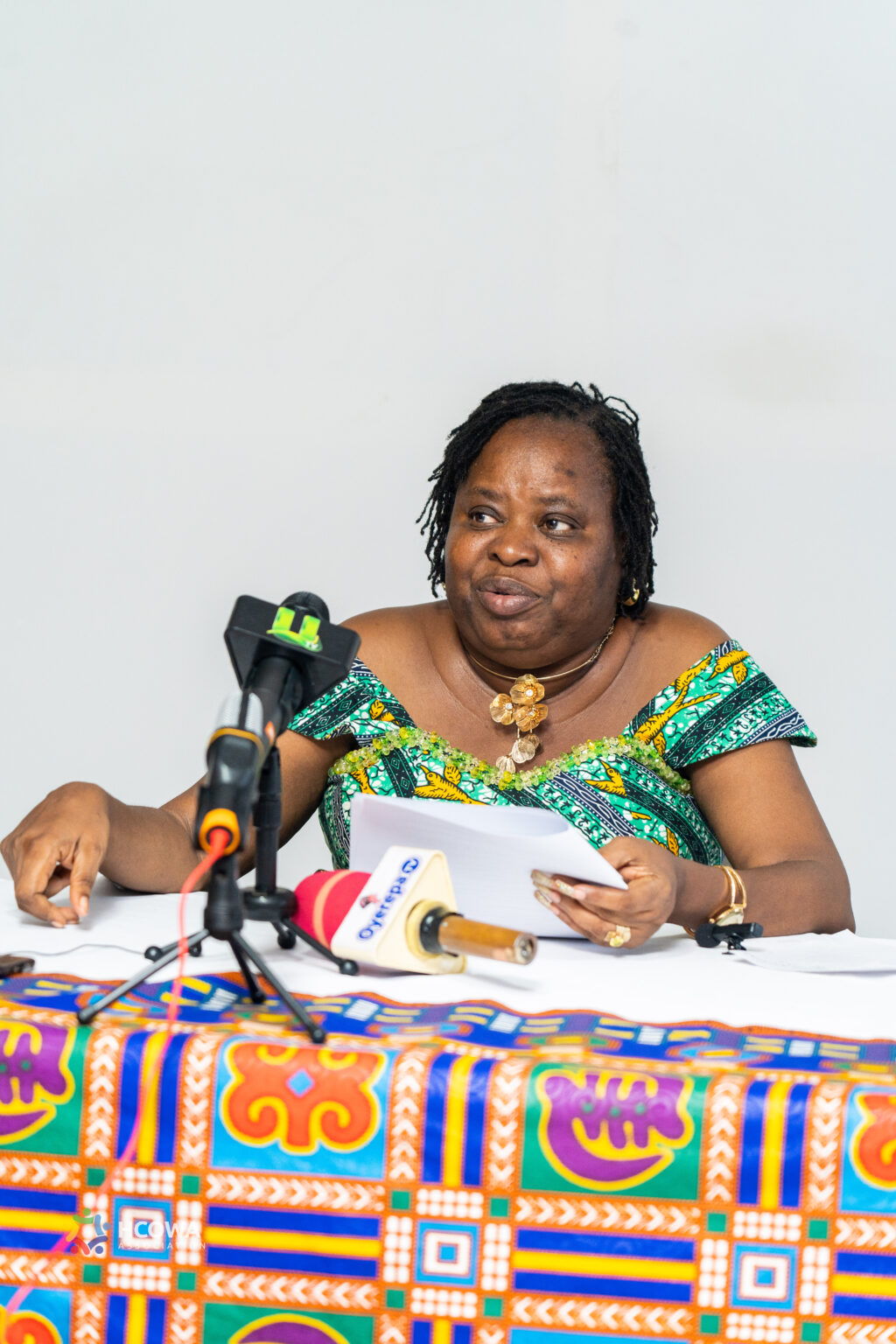

The National Diabetes Association of Ghana (NDAG) has launched activities to mark World Diabetes Day 2025, urging a coordinated national response to what it describes as a “silent yet ferocious epidemic.” The event, held in Accra, brought together stakeholders, healthcare leaders, and advocates under the global theme, “Diabetes and Wellbeing.”
Delivering the keynote address, Mrs. Elizabeth Esi Denyoh, Chairperson for the International Diabetes Federation (IDF) Africa Region and President of NDAG, called for diabetes to be declared a national health priority. She emphasized that while clinical management remains essential, the new theme reflects a broader understanding of wellbeing — encompassing physical, mental, nutritional, and social dimensions.
“This year’s theme is not just a slogan; it is a paradigm shift,” Mrs. Denyoh said.
“It challenges us to look beyond blood sugar control and focus on the total wellbeing of every person living with or at risk of diabetes.”
A Growing National Health Threat
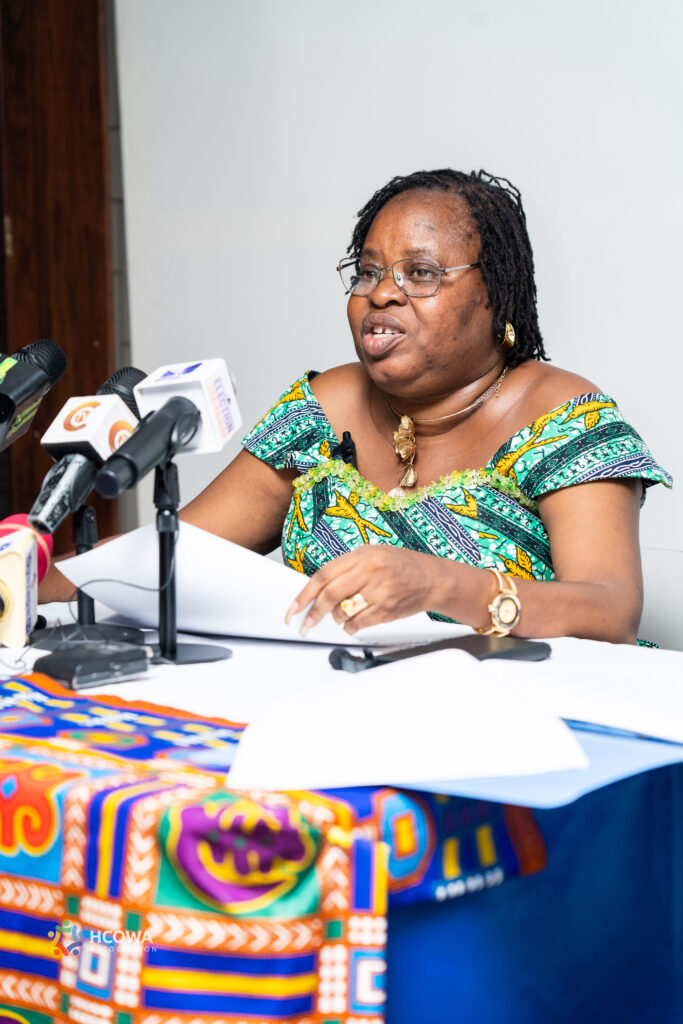
Mrs. Denyoh described the diabetes situation in Ghana as alarming, citing data from the IDF Diabetes Atlas and local studies showing a steep rise in prevalence. Many people remain undiagnosed, particularly those with pre-diabetes.
She illustrated the crisis with everyday realities — from a taxi driver in Kumasi facing amputation due to poor access to care, to market women losing their sight, and teenagers with Type 1 diabetes struggling with stigma in school. “Behind every statistic is a family in distress,” she said, warning that diabetes is eroding productivity and driving families into poverty.
Focusing on Holistic Wellbeing
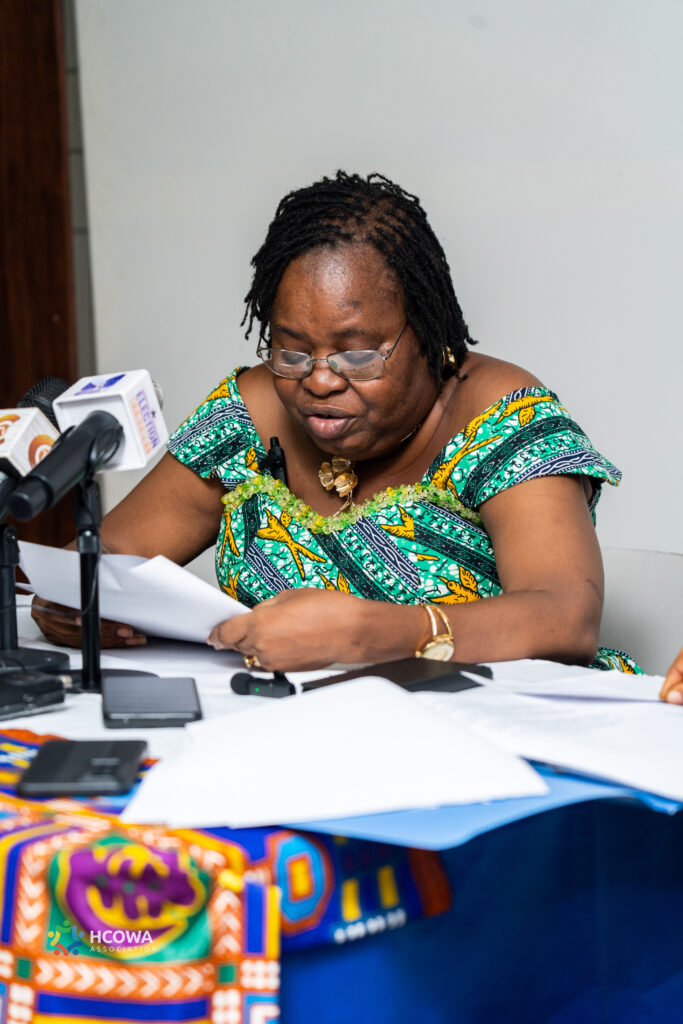
The NDAG President outlined four pillars of wellbeing that must shape Ghana’s national response:
- Physical Wellbeing:
Ensuring access to affordable insulin and essential medicines, expanding screening programs across all health facilities, and strengthening prevention of complications such as kidney failure, stroke, and blindness. - Mental and Emotional Wellbeing:
Integrating psychological support into diabetes care, training healthcare workers to recognize diabetes-related stress, and building peer support networks to reduce isolation. - Nutritional Wellbeing:
Promoting healthier Ghanaian cooking, reducing excessive oil, salt, and sugar in meals, and combating misinformation around traditional diets and processed foods. - Social and Economic Wellbeing:
Encouraging workplaces and schools to adopt supportive policies and ensuring financial protection for families through comprehensive coverage under the National Health Insurance Scheme (NHIS).
A National Call to Action
Mrs. Denyoh appealed to the Government of Ghana and the Ministry of Health to fully implement and fund the National Diabetes Policy and Strategy, enforce the Sugar-Sweetened Beverage Tax, and expand NHIS benefits to cover the full cost of diabetes care, including test strips, insulin, and educator services.
She also called on the Ghana Health Service to train and deploy more diabetes educator nurses and dietitians, while urging Corporate Ghana to integrate wellness programs into their business models and fund public awareness campaigns.
The media were encouraged to provide sustained, destigmatizing coverage and highlight personal stories to inspire societal action.
Shared Responsibility
World Diabetes Day, observed globally on November 14, was established by the IDF and World Health Organization (WHO) to raise awareness about the growing diabetes epidemic.
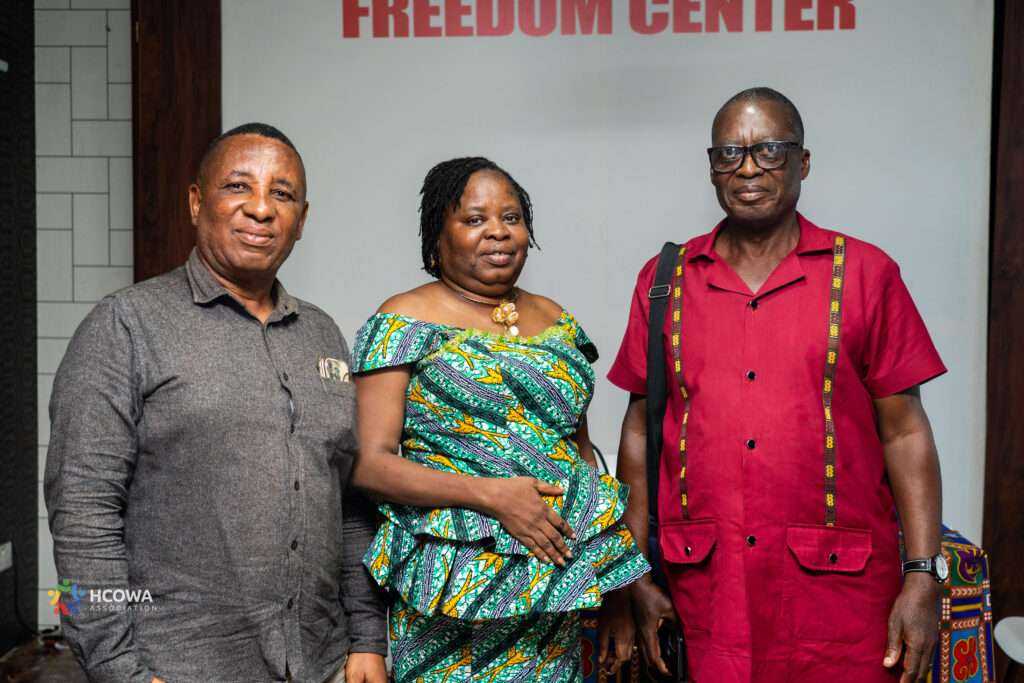
Closing her address, Mrs. Denyoh reminded Ghanaians that diabetes prevention and management require a collective effort.
“Know your risk, get tested, eat right, and support—not stigmatize—those living with diabetes,” she said. “Together, we can build a healthier, more resilient Ghana.”
