








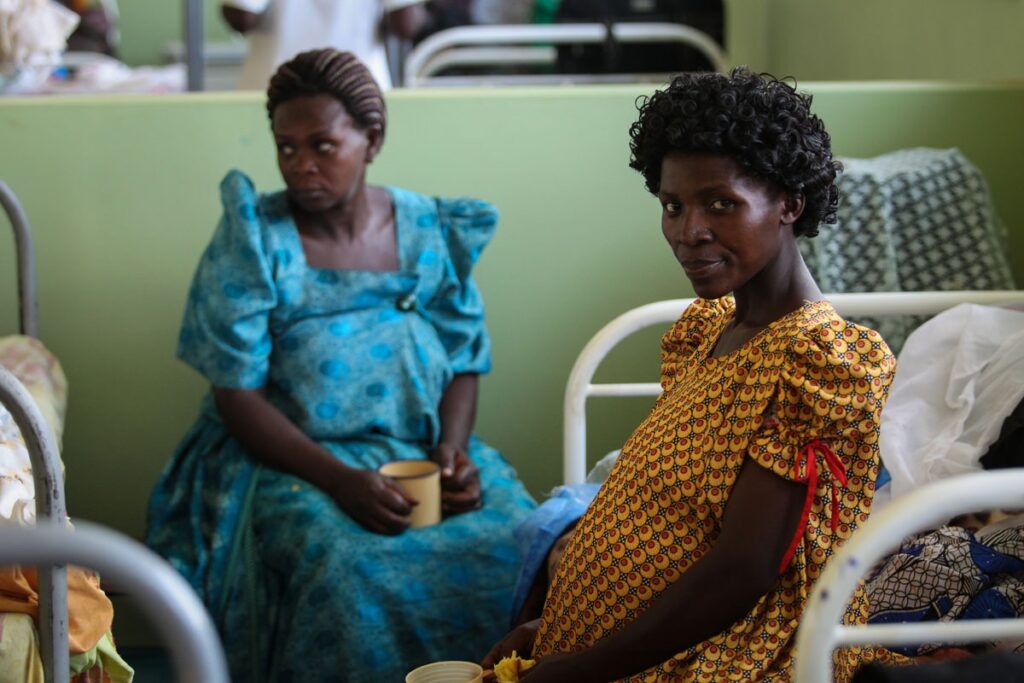


A sharp increase in maternal deaths in Ghana’s Ashanti Region is raising significant alarms among health officials and threatening national progress towards key health and development targets.
Data from the Ashanti Regional Health Directorate reveals the region recorded 232 maternal deaths per 100,000 live births in a recent six-month period. Dr. Fred Adomako-Boateng, the Regional Director of Health Services, confirmed this figure is the highest reported in the last three years and undermines efforts to achieve the Sustainable Development Goals (SDGs).
Dr. Adomako-Boateng attributed the crisis to a cascade of systemic and social failures. A primary cause is late reporting to health facilities, often after women attempt home deliveries or seek help from unskilled attendants, arriving in critical condition. This is compounded by inadequate emergency obstetric care at smaller, peripheral health centers and delays in referral due to poor road networks, which hinder timely access to life-saving care.
The region also continues to grapple with preventable infant mortality. Key drivers include poor antenatal attendance, birth complications, infections, and a significant number of deaths from birth asphyxia highlighting critical gaps in care during and immediately after delivery. Socio-economic factors like poverty, low maternal education, and delayed decision-making within households further exacerbate the risks for both mothers and newborns, with infant mortality rates notably higher among mothers with little formal education.
Despite the bleak statistics, some interventions are showing promise. The introduction of medical drone delivery services for essential medicines and blood products has improved emergency response times in some districts, with early evidence suggesting a reduction in maternal deaths at facilities using this technology.
To reverse the trend, the Regional Health Directorate is calling for a multi-pronged approach: strengthening referral systems, improving staffing and equipment at district hospitals, and intensifying community education. Officials also emphasize the need for increased male involvement in maternal health and are urging all pregnant women to attend regular antenatal clinics and deliver at accredited health facilities.
Dr. Adomako-Boateng stressed that sustained investment, coordinated action, and community-level behavioral change are critical to safeguarding the lives of mothers and infants in the region.
Source :Ghanaweb


