










When people think about dental health, cavities often come to mind first. However, another common and potentially more serious condition lurks quietly in the mouths of millions: periodontal disease, commonly known as gum disease. This chronic inflammatory condition affects the tissues surrounding and supporting the teeth, and if left untreated, it can lead to tooth loss and has been linked to other serious health problems throughout the body.
Periodontal disease begins as gingivitis, a mild form of gum disease characterized by red, swollen gums that may bleed easily during brushing. At this stage, the condition is still reversible with proper oral hygiene and professional cleaning. However, when plaque that sticky film of bacteria is allowed to accumulate and harden into tartar, the inflammation deepens. The gums begin to pull away from the teeth, forming pockets that become infected. As the body’s immune system fights the bacteria, toxins produced by the bacteria and the body’s own enzymes break down the bone and connective tissue that hold teeth in place. This advanced stage is called periodontitis.
Many people with periodontal disease are unaware they have it because the symptoms can be subtle. Warning signs include persistent bad breath, red or swollen gums, tender or bleeding gums, painful chewing, loose or sensitive teeth, and receding gums that make teeth appear longer. If you notice any of these signs, it is essential to see a dentist promptly.
Research has established strong links between periodontal disease and other systemic health conditions. The inflammation and bacteria associated with gum disease may contribute to the development of heart disease, increase the difficulty of controlling blood sugar in diabetes, and has been associated with adverse pregnancy outcomes such as preterm birth and low birth weight. This connection underscores why oral health is inseparable from overall health.
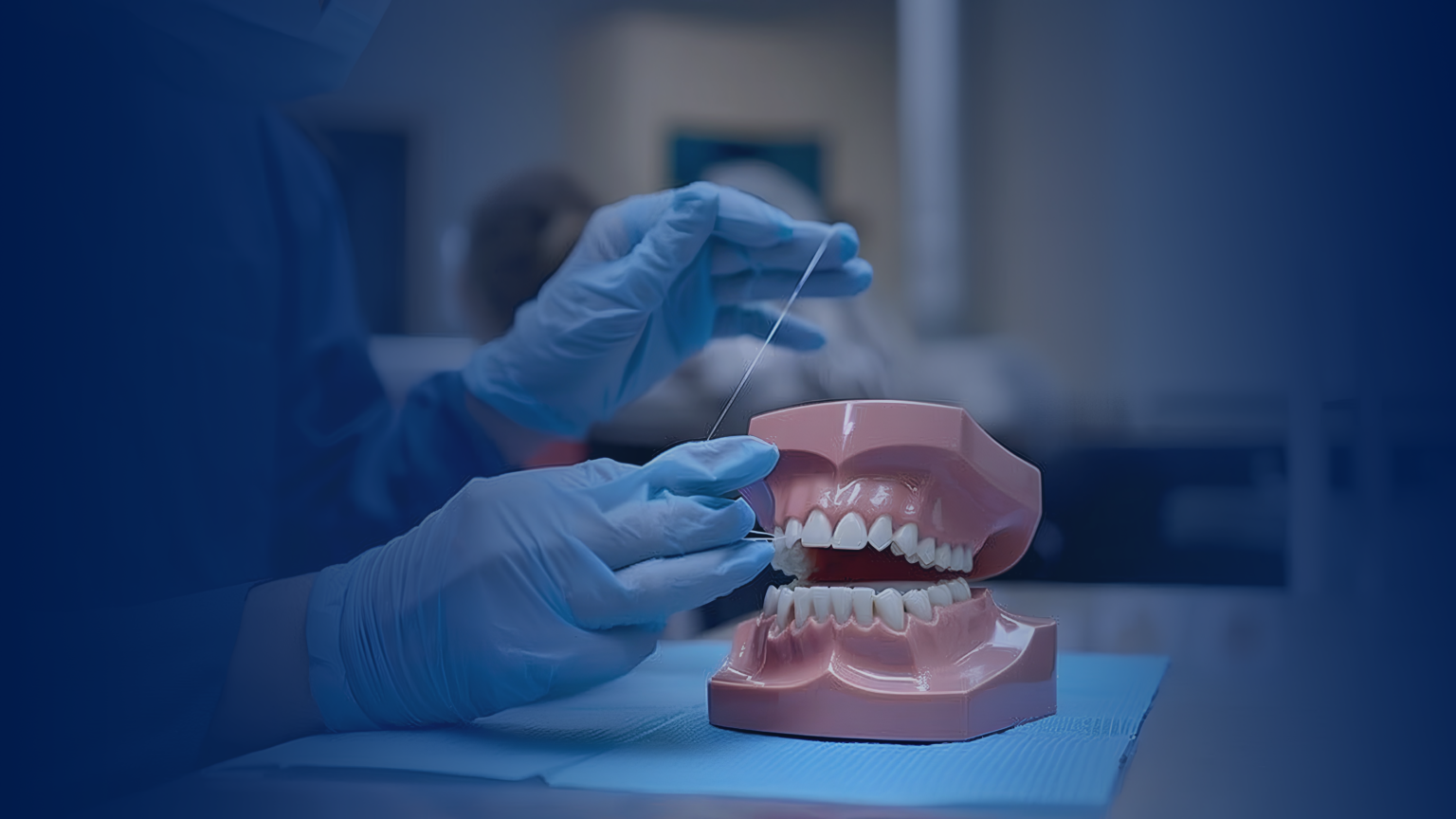
The good news is that periodontal disease is largely preventable. Good oral hygiene practices brushing twice daily with fluoride toothpaste, flossing daily, and regular dental check-ups are the first line of defense. For those already affected, treatment ranges from non-surgical therapies like scaling and root planing (deep cleaning) to surgical interventions for more advanced cases.
Periodontal disease reminds us that a healthy mouth is truly the gateway to a healthy body. Paying attention to your gums today could protect your smile and your health for years to come.


