







Despite growing awareness of autism spectrum disorder (ASD), a persistent and harmful myth continues to circulate: that autism is a disease. Medical experts, researchers and autistic self-advocates are united in correcting this misconception, emphasizing that autism is not an illness to be cured but a neurodevelopmental variation to be understood and supported.
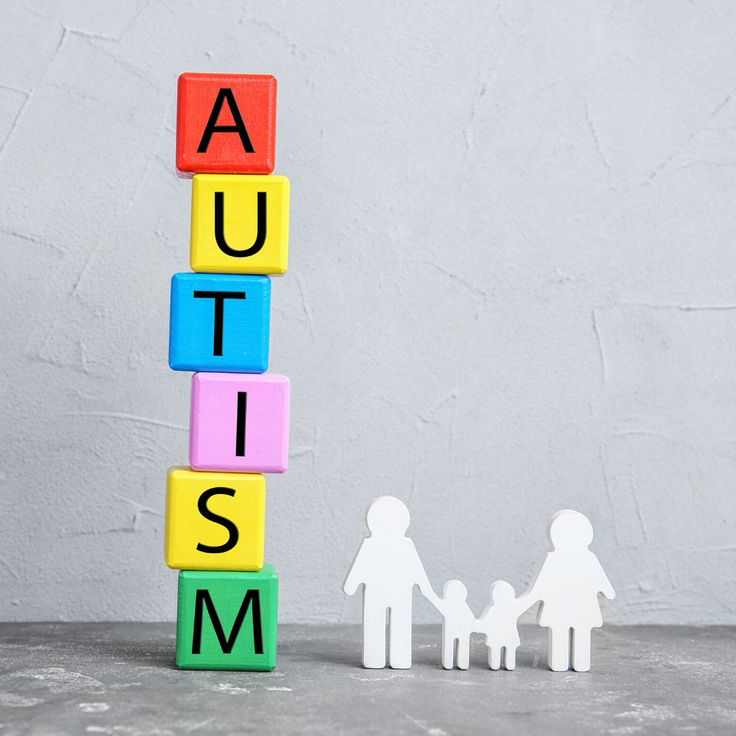
So what exactly is autism? Autism spectrum disorder is a lifelong condition characterized by differences in brain development that affect how a person communicates, processes sensory information, and interacts with the world. It is classified as a neurodevelopmental disorder in diagnostic manuals—but crucially, a disorder is not the same as a disease.
The distinction is fundamental. A disease is typically defined as a pathological condition with a known cause, specific symptoms and—ideally—a cure. Diseases are acquired or develop due to infection, injury or biological malfunction. Autism, by contrast, is present from birth or early childhood, rooted in genetic and neurological factors, and represents a natural variation in human neurology. There is no pathogen to eliminate, no tissue to repair, and no “normal” state to restore.
When individuals and families mistakenly view autism as a disease, the consequences can be damaging. This misconception often drives desperate searches for unproven, pseudoscientific “cures”—ranging from dangerous detoxification protocols to unregulated biomedical interventions—that can cause physical and emotional harm. It also fuels stigma, portraying autistic individuals as broken or incomplete rather than as people with unique strengths, perspectives and needs.
The modern medical and therapeutic community has shifted its approach accordingly. Rather than seeking to eliminate autism, evidence-based interventions focus on supporting autistic individuals in developing communication skills, managing sensory sensitivities and building independence. The goal is not a cure but improved quality of life, self-advocacy, and inclusion.
Importantly, many autistic self-advocates reject the disease narrative entirely. They argue that much of the difficulty associated with autism arises not from the condition itself but from a world built for neurotypical minds—a world filled with sensory overload, rigid social expectations, and insufficient accommodations. From this perspective, the most pressing need is not medical “treatment” but societal acceptance, accessibility, and respect.
Autism is not contagious, not acquired and not curable—nor does it need to be. By moving beyond outdated disease-based language, society can take a crucial step toward replacing stigma with understanding and exclusion with genuine inclusion.


