








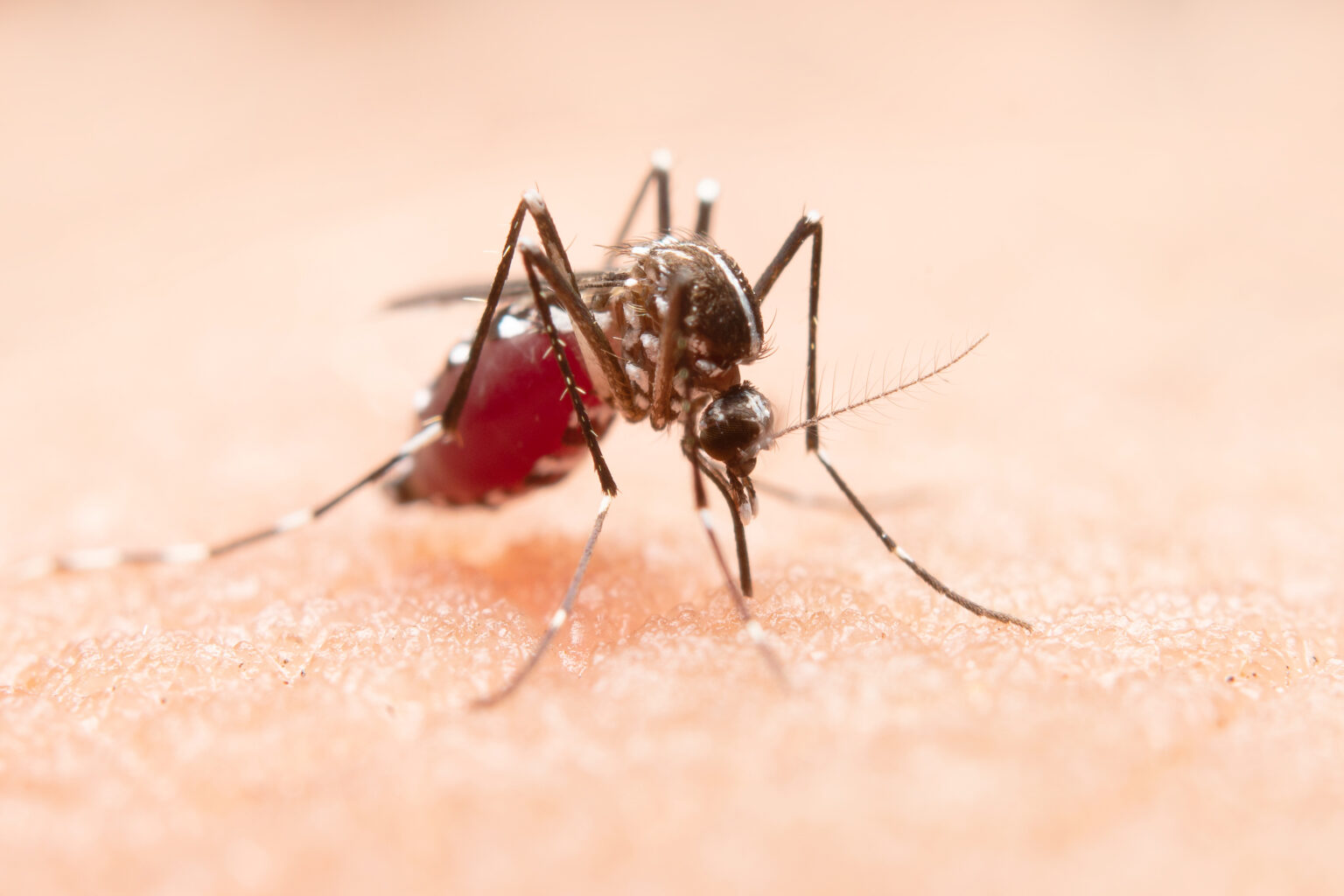


Malaria remains one of the most persistent and deadly infectious diseases globally, with a significant burden in sub-Saharan Africa. It is caused by parasites of the Plasmodium species and transmitted through the bite of infected female Anopheles mosquitoes. Despite being preventable and treatable, malaria continues to pose a major threat to public health, particularly among children and pregnant women.
There are five species of Plasmodium known to infect humans, and understanding them helps explain why malaria presents differently across regions. Plasmodium falciparum is the most dangerous and the most common in Africa, responsible for the majority of severe cases and deaths. Plasmodium vivax, found more commonly in Asia and Latin America, can remain dormant in the liver and cause relapses long after the initial infection. Plasmodium ovale, seen mainly in West Africa, behaves similarly with milder symptoms but recurring episodes. Plasmodium malariae causes a chronic, less severe infection that can persist for years and may lead to kidney complications. Lastly, Plasmodium knowlesi, a zoonotic species found in Southeast Asia, can multiply rapidly and become severe if not treated early.
Once transmitted, the parasite travels to the liver where it multiplies before invading red blood cells. This cycle leads to the classic symptoms of malaria, which often begin with fever, chills, headache, fatigue, and muscle aches. Because these symptoms mimic common illnesses, malaria can easily be overlooked in its early stages.
If left untreated, malaria can quickly progress to severe disease. Warning signs include confusion, difficulty breathing, severe anemia, and seizures. One of the most critical complications is cerebral malaria, which affects the brain and can result in coma or death. This makes early diagnosis and prompt treatment essential.
Diagnosis is typically confirmed through blood tests such as rapid diagnostic tests (RDTs) or microscopy. Treatment depends on severity. Uncomplicated malaria is treated with artemisinin-based combination therapy (ACT), while severe malaria requires intravenous medications like artesunate, alongside supportive care.
Prevention remains a cornerstone in the fight against malaria. The use of insecticide-treated nets, indoor spraying, and environmental control of mosquito breeding sites significantly reduce transmission. In addition, malaria vaccines are being introduced in high-risk areas, offering new hope in reducing disease burden.
Malaria is more than a disease—it is a public health challenge that affects communities and economies alike. However, with increased awareness, timely treatment and sustained prevention efforts, it is a fight that can be won.


