










The fever breaks. The antibiotics work. The hospital sends you home. But for thousands of meningitis survivors, the battle is not over.
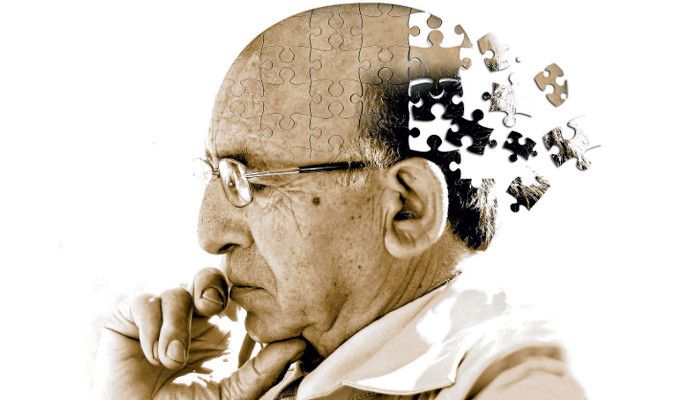
Meningitis does not stop at inflaming the protective membranes around the brain and spinal cord. It often pushes deeper, invading brain tissue itself. The result leaves survivors struggling with cognitive deficits that mimic traumatic brain injury, yet too few receive the rehabilitation they desperately need.
The biological mechanism follows a destructive path. Meningitis triggers a powerful inflammatory response throughout the central nervous system. That inflammation damages neurons, disrupts neural circuits and in severe cases, causes small areas of cell death within the brain. The frontal lobes, responsible for planning, impulse control and problem-solving, often take the hardest hit.
Survivors report three core clusters of symptoms. Memory loss tops the list, particularly short-term recall. A person may forget a conversation from ten minutes ago or struggle to retain new information. Slowed processing speed follows closely. Simple decisions take twice as long. Reading a book becomes exhausting. The third cluster involves executive dysfunction, including difficulty organizing tasks, managing time, switching between activities, and controlling emotional responses.
Research confirms the scale of this hidden crisis. A 2023 study in the journal Neurology found that more than forty percent of bacterial meningitis survivors exhibit clinically significant cognitive impairment one year after hospital discharge. Memory and attention show the greatest deficits. Younger survivors fare no better than older ones, debunking the myth that youth provides automatic protection.
The path forward requires neuropsychological rehabilitation, yet most survivors never receive it. Speech-language therapists target memory and attention through structured exercises. Occupational therapists rebuild executive function by teaching patients to break tasks into manageable steps. Neuropsychologists provide cognitive remediation therapy, training patients to compensate for damaged neural pathways.
Health officials now call for standardized post-discharge cognitive screening for all meningitis patients. Until hospitals adopt this practice, survivors must advocate for themselves. Anyone struggling to think clearly three months after meningitis should request a neuropsychological assessment. The brain can heal, but it needs the right tools. The infection may end, but the brain’s recovery has just begun.


