










By Marilyn Tiphaine
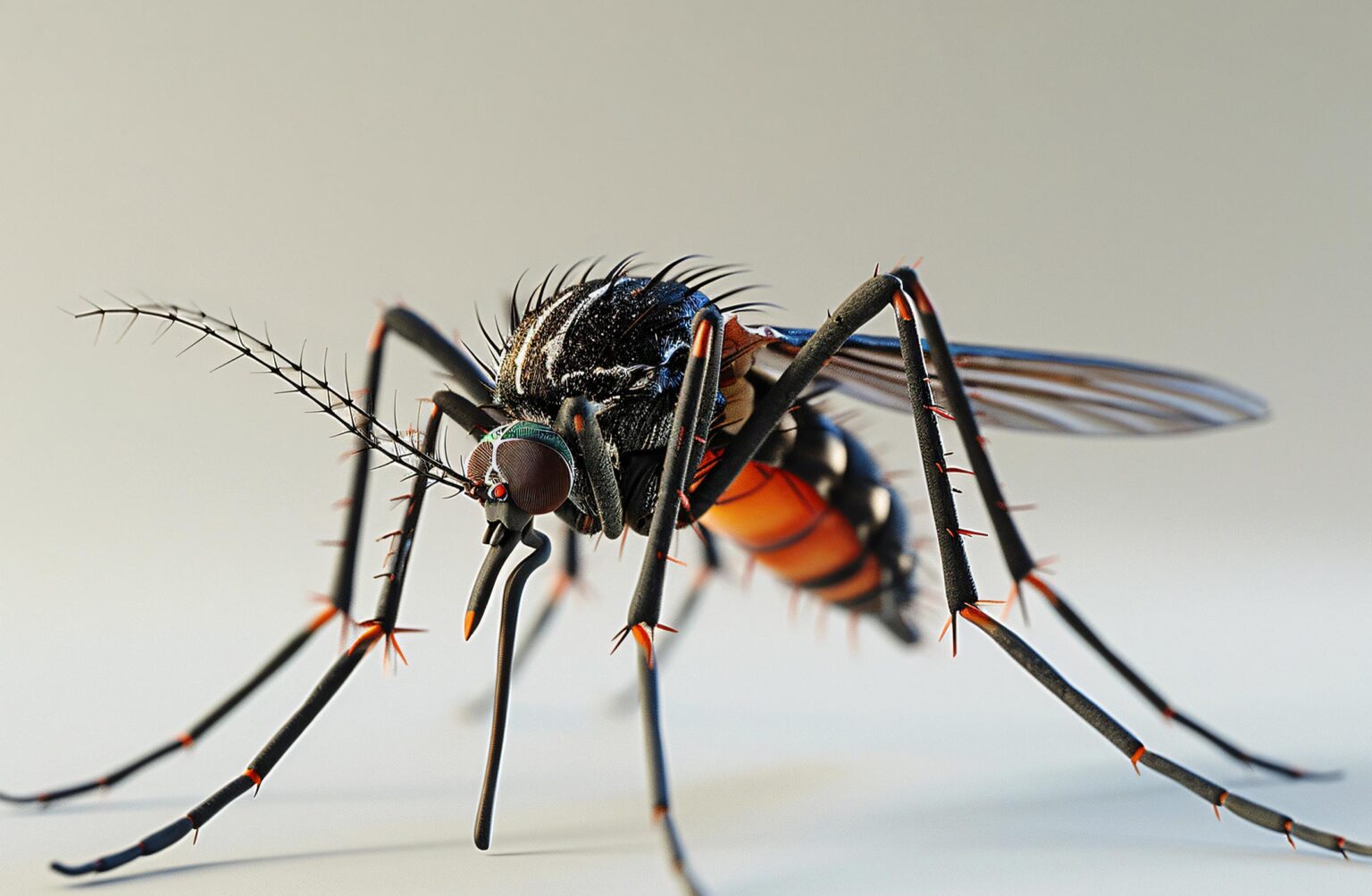
When we discuss malaria, we often picture a feverish child. But for millions of women, especially in sub-Saharan Africa, this mosquito-borne parasite represents a unique and devastating threat one that strikes at the heart of their reproductive health and survival.
The most severe impact occurs during pregnancy. A pregnant woman’s immune system is naturally altered to protect her growing baby, but this change makes her three times more likely to contract severe malaria than her non-pregnant counterpart. The parasite thrives in the placenta, where it can multiply undetected, leading to maternal anemia, dangerously low birth weight, and a heightened risk of miscarriage or stillbirth. For a new mother, postpartum malaria can cause severe blood loss, compounding the dangers of childbirth.
Beyond biology, gender roles create silent barriers. In many endemic regions, women are the primary caregivers, meaning they spend more time indoors near sleeping children where infected mosquitoes often bite at night. Yet, they may lack the resources or permission to purchase insecticide-treated nets. Even when symptomatic, women often delay seeking care, prioritizing family needs over their own until it’s too late.
The consequences ripple outward. A bout of severe malaria can cause profound fatigue and organ stress, leaving women unable to work, farm, or breastfeed. Repeated infections lead to chronic anemia, robbing them of energy and increasing risks during future pregnancies. And for adolescent girls, repeated malaria episodes correlate with school absenteeism, perpetuating cycles of poverty.
The good news is that prevention works. Intermittent preventive treatment during pregnancy (IPTp) and insecticide-treated nets significantly reduce risks. Protecting women from malaria isn’t just about a fever it’s about safeguarding mothers, futures, and entire communities.


