








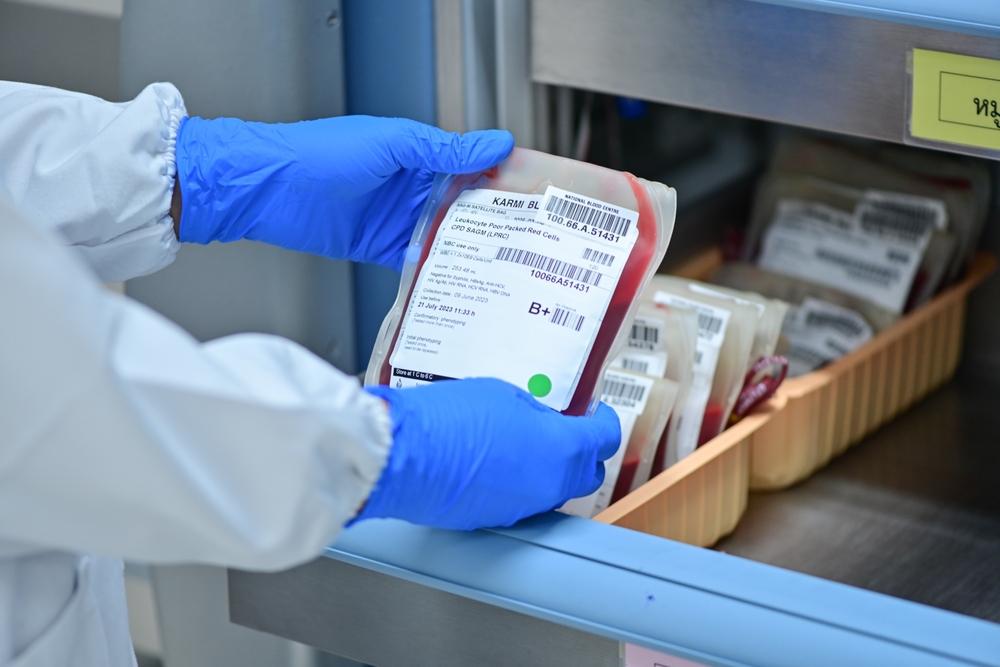


Despite achieving its highest collection target in recent years, Ghana’s National Blood Service has revealed that the country still meets only about two-thirds of its annual blood requirement, leaving thousands of patients vulnerable to life-threatening delays in transfusion care.
The Chief Executive Officer of the National Blood Service, Dr Shirley Owusu-Ofori, disclosed this troubling gap at the Service’s Annual Performance Review held in Accra on Tuesday, March 31, 2026. According to her presentation, the Service collected 204,000 units of blood in 2025, which exceeded its internal target of 200,000 units and improved the national blood collection index from 6.1 to 6.6. However, this figure represents a mere sixty-six per cent of the estimated national requirement of 308,000 units.
Dr Owusu-Ofori did not mince words about the consequences of this persistent shortfall. She described the situation as a continuing crisis, noting that many patients across the country still struggle to access timely blood transfusions. “A persistent and growing demand for blood across this nation has stretched us as a service, but the gap between supply and demand remains a major concern,” she said. She stressed that each unit of blood carries life-saving value, and every deficit directly translates to risks faced by the most vulnerable patients.
The CEO attributed the widening gap to a combination of structural challenges that have long plagued the blood service. Limited logistics, persistent funding constraints, and low rates of voluntary blood donation were all cited as key factors. She pointed specifically to ageing vehicles and inadequate transport systems, which she said regularly disrupt outreach efforts and reduce the number of mobile donation sessions the service can conduct. Beyond infrastructure problems, she noted that public misconceptions and negative past experiences continue to act as significant barriers to voluntary donation.
In response to these challenges, Dr Owusu-Ofori made a passionate appeal to stakeholders, including the government, private organisations, and the general public, to support efforts aimed at expanding voluntary donation and strengthening the national blood system. She announced that the Service has developed a national digital information management system designed to track blood from donation to transfusion, which she believes will improve access and revolutionise blood services across the entire country. “This is one thing I want you to put your money on to help us roll out a system that will digitalise and revolutionise blood services across the whole country,” she urged participants.
Dr Owusu-Ofori encouraged all attendees at the review meeting to contribute ideas and support reforms that would improve access and reliability across the system. She framed blood donation not merely as a medical necessity but as a shared moral responsibility. “Blood donation is not only a solitary act, but a communal covenant that binds donors, health workers and patients in a common purpose of preserving life,” she stated. As Ghana continues to struggle with a blood supply that meets only two-thirds of demand, that covenant, she warned, remains dangerously unfulfilled.
Source: Graphic Online


