








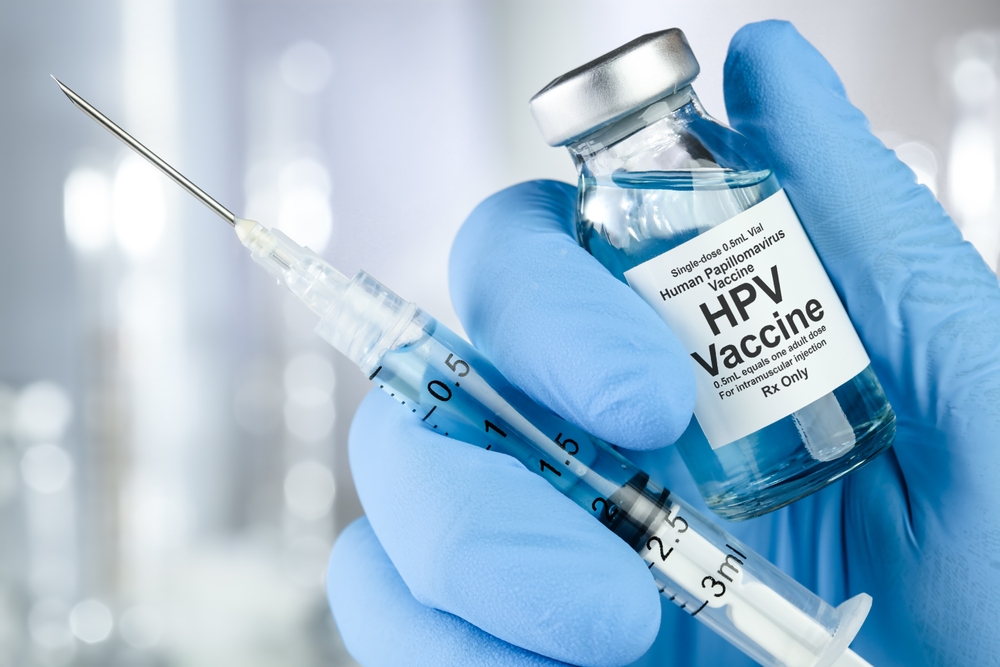


In a major step forward for women’s health, the Ghana Health Service (GHS) has officially integrated the Human Papillomavirus (HPV) vaccine into the country’s routine immunisation programme, solidifying its commitment to preventing cervical cancer.
The announcement made by the Municipal Health Directorates, follows a successful nationwide HPV vaccination campaign conducted in September 2025. Starting this January, the vaccine will be consistently available to protect young girls against the virus responsible for most cervical cancers.
According to a press statement signed by Wilhemia Duah Morttey, the Municipal Director of Health Services in Tarkwa Nsuaem, the new phase targets girls between the ages of 9 and 14 who may have missed the initial campaign.
“Starting from January 2026, all girls, between the ages of 9-14, who did not receive the vaccine during the nationwide campaign would be vaccinated through out-of-school and school health services,” the statement, released to the Ghana News Agency, read.
Health officials have underscored that the primary goal of the programme is to curb the rising tide of cervical cancer, a disease that disproportionately affects women in Ghana.
“The overall goal of introducing the HPV vaccine was to prevent cervical cancer, which remained one of the leading causes of cancer deaths among women in Ghana,” the statement noted.
Cervical cancer is a global health crisis, but its impact is felt most acutely in developing nations. Citing data from the World Health Organisation (WHO), the GHS statement revealed that cervical cancer was the fourth most common cancer in women worldwide in 2022, with an estimated 660,000 new cases and 350,000 deaths. Alarmingly, the statement highlighted that “94 percent of these mortalities caused by cervical cancer occurred in low-and middle-income countries, including Ghana.”
The health authorities stressed that vaccination is the most effective line of defense, as treatment options for the disease are extremely limited. “There was currently only symptomatic management for cervical cancers, and the disease could be prevented through vaccination,” the statement explained.
HPV is a common viral infection that is primarily transmitted through sexual contact and the exchange of bodily fluids. Its danger lies in its stealth. The statement pointed out that “because there were no symptoms, many people carried the virus without even realizing they had it.”
By adding the HPV vaccine to the routine immunisation schedule, Ghana is taking a proactive and life-saving measure to protect the next generation of women from a preventable cancer, ensuring that protection is available long after the campaigns are over.
Source Ghana Web


