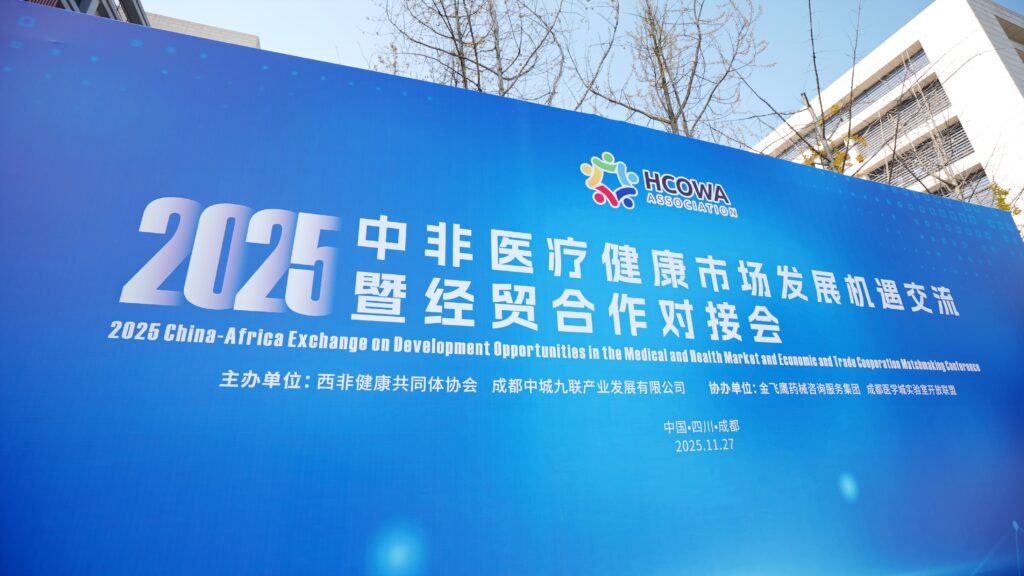







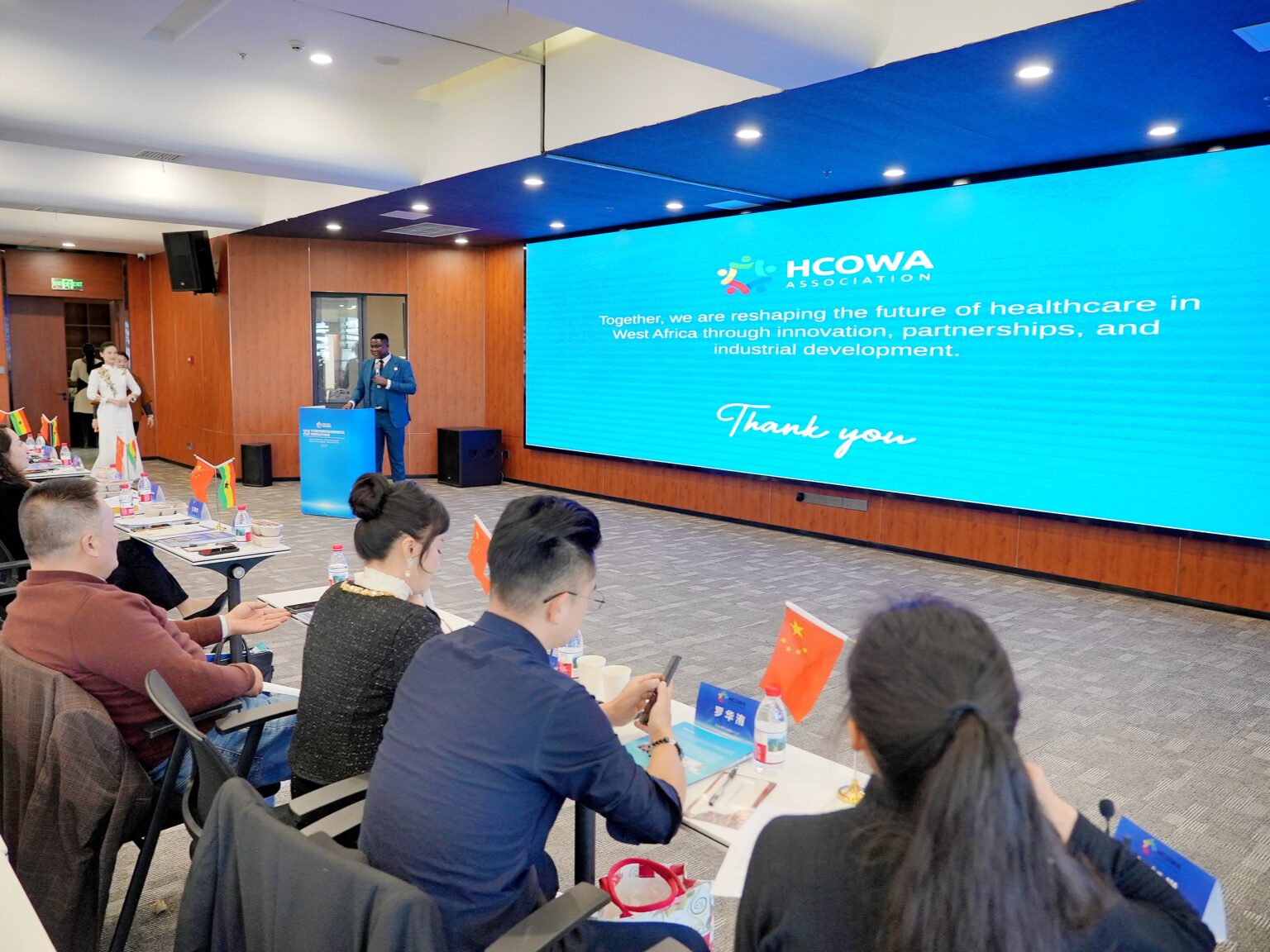


The Health Community of West Africa (HCOWA) Association took a commanding lead at the 2025 China–Africa Healthcare Market Development Opportunities Exchange and Economic & Trade Cooperation Matching Conference in Chengdu, positioning the West African region as a rising force in healthcare investment, manufacturing, technology transfer, and traditional medicine innovation. With its growing influence and unified regional reach, HCOWA set the tone for a conference that highlighted West Africa’s readiness to partner with China in shaping the next phase of global healthcare development.
HCOWA’s delegation—comprising senior health regulators, sector leaders, and technical experts—outlined opportunities spanning pharmaceuticals, diagnostics, hospital development, artificial intelligence, and herbal medicine research. The organization’s presence signaled a coordinated regional approach, reflecting its mission to strengthen collaboration among West African governments, medical institutions, and industry stakeholders.


Speaking on behalf of the Health Community of West Africa (HCOWA), Vice President Prince Opoku Dogbey highlighted the momentum gained from the recently concluded 2025 China–West Africa Medical and Health Industry Expo. He noted that the Expo brought together more than 500 distributors, 47 health associations, and 1,000 medical institutions, generating an estimated USD 30 million in projected trade.


In his words: “The story of the 2025 Expo is not simply a record of statistics or activities. It is a story of rising hope, of expanding regional collaboration, of new trust between Africa and China, and of tangible steps toward building a stronger, more resilient, and more technologically advanced healthcare ecosystem in West Africa. People left believing in the future again. Institutions left believing that cooperation is better than isolation. Distributors left believing that the health industry in West Africa can grow beyond retail into manufacturing and industrial expansion.”
He also announced plans for the 2026 edition to take place in Accra, Ghana, which is expected to draw a record number of exhibitors and visitors from Africa and Asia.
Representing the Ghana Health Service, Nicholas Nyagblornu, Acting Deputy Director for Resource Mobilisation and Coordination, emphasized Ghana’s readiness for large-scale health sector investment. He pointed to the country’s strong regulatory systems, a skilled health workforce, and government incentives aimed at expanding pharmaceutical production.


Mr. Nyagblornu told participants “Ghana serves as the strategic gateway to the West African health market, valued at more than 650 billion dollars. Our regulatory systems—especially the Ghana FDA—have earned strong international credibility, achieving WHO Global Benchmarking Maturity Level 3. This gives our manufacturers a competitive edge and assures investors that the products they develop in Ghana can confidently reach both domestic and regional markets.”
One of the most compelling presentations came from Dr. Yakubu Tobor Yusuf, Registrar of the Traditional Medicine Practice Council. He spoke passionately about Ghana’s traditional and alternative medicine sector, calling it one of the most promising yet undervalued opportunities on the African continent.

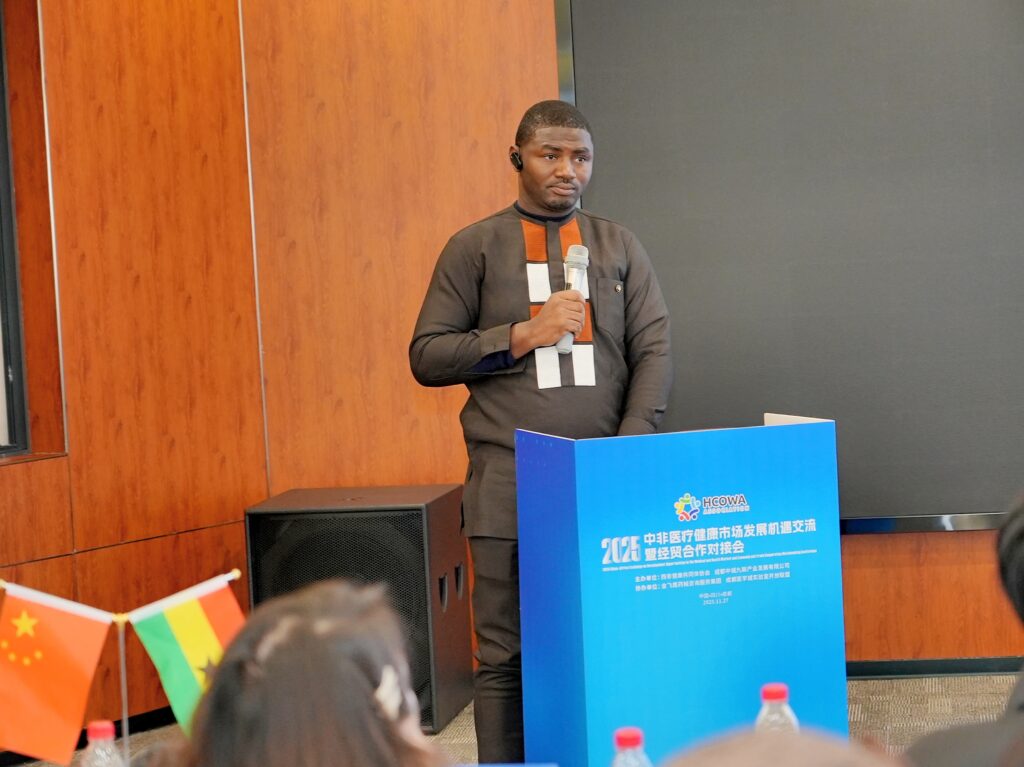
“Traditional, herbal, and alternative medicine in Ghana is not a sunset industry—it is a sunrise sector ablaze with potential. More than 20 million Ghanaians actively use traditional medicine, and nearly 70 percent rely on it as their primary healthcare. This is a 400-million-dollar domestic industry sitting at the intersection of untapped demand, regulatory transformation, and strong government commitment. We have thousands of medicinal plant species in our forests, many unexplored for pharmaceutical development. Your expertise and our natural resources can create standardized, export-ready products for the global market.” Dr. Yusuf said.
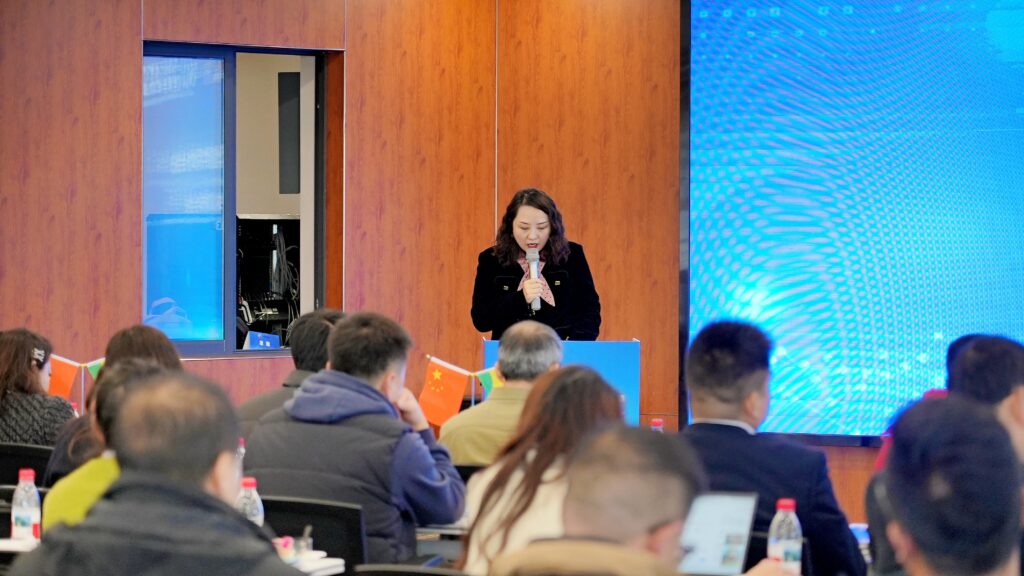
Throughout the event, speakers underscored the strengthening ties between Ghana and China, referencing recent high-level engagements between President John Dramani Mahama and President Xi Jinping. These interactions, they said, have opened new doors for cooperation in healthcare innovation, infrastructure, and technology transfer.
The conference closed with renewed commitment from both sides to deepen collaboration across pharmaceuticals, medical equipment, diagnostics, hospital development, and traditional medicine research. For West Africa, the gathering marked another step toward positioning the region as a competitive and fast-growing destination for healthcare investment.