








The Ghana Association of Medical Herbalists (GAMH), in collaboration with the World Health Organisation (WHO), the Ministry of Health (MoH), the Ghana Health Service (GHS) and the Health Community of West Africa(HCOWA) has held a medical symposium in Accra to highlight the importance of integrative medicine in Ghana’s primary healthcare system.
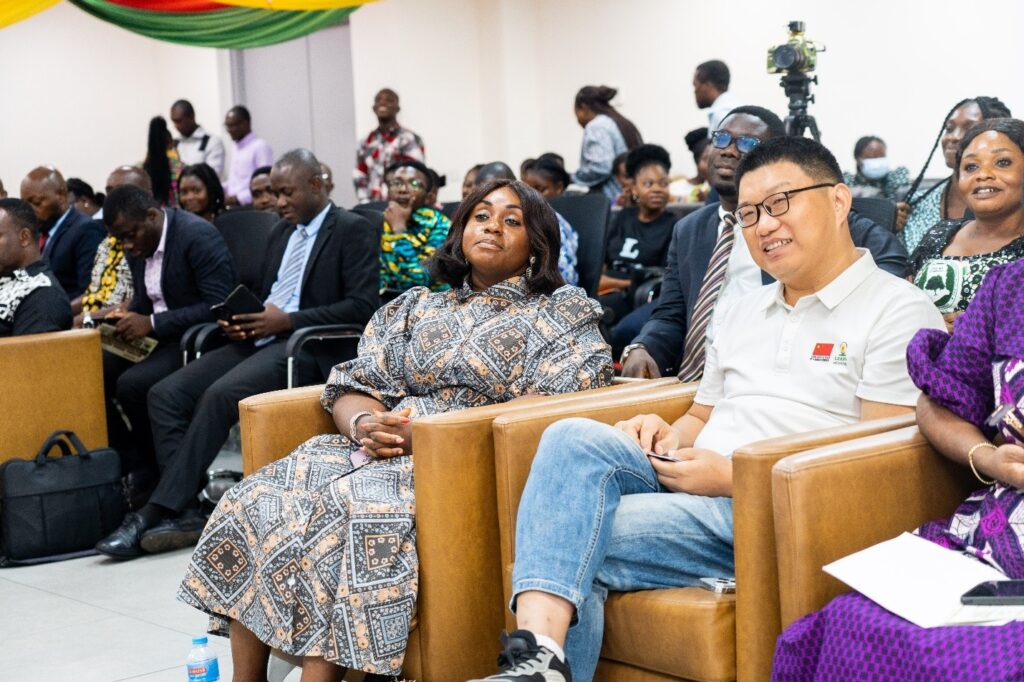
Held at the MoH Auditorium, the symposium was on the theme “The Role of Integrative Medicine in Primary Healthcare: The Integration of Traditional Medicine.” It brought together policymakers, health professionals, researchers and traditional medicine practitioners from Ghana and abroad to discuss pathways for strengthening healthcare delivery through collaboration between orthodox and traditional medical systems.

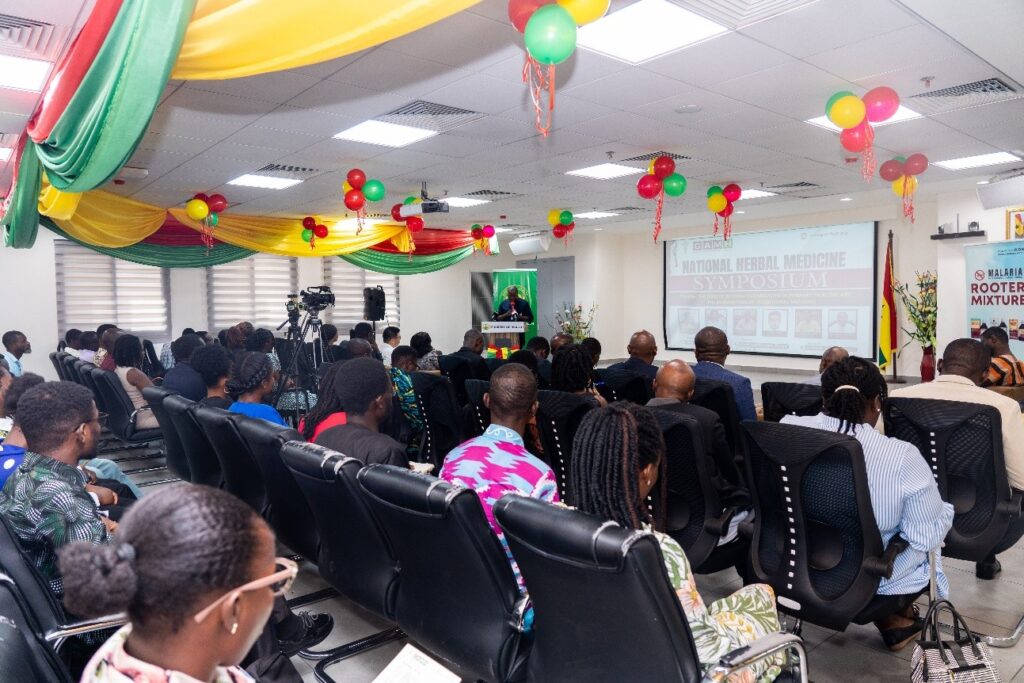
Presentations at the event underscored the growing global recognition of integrative medicine as a people-centred approach that combines conventional medicine with evidence-based traditional and complementary therapies.

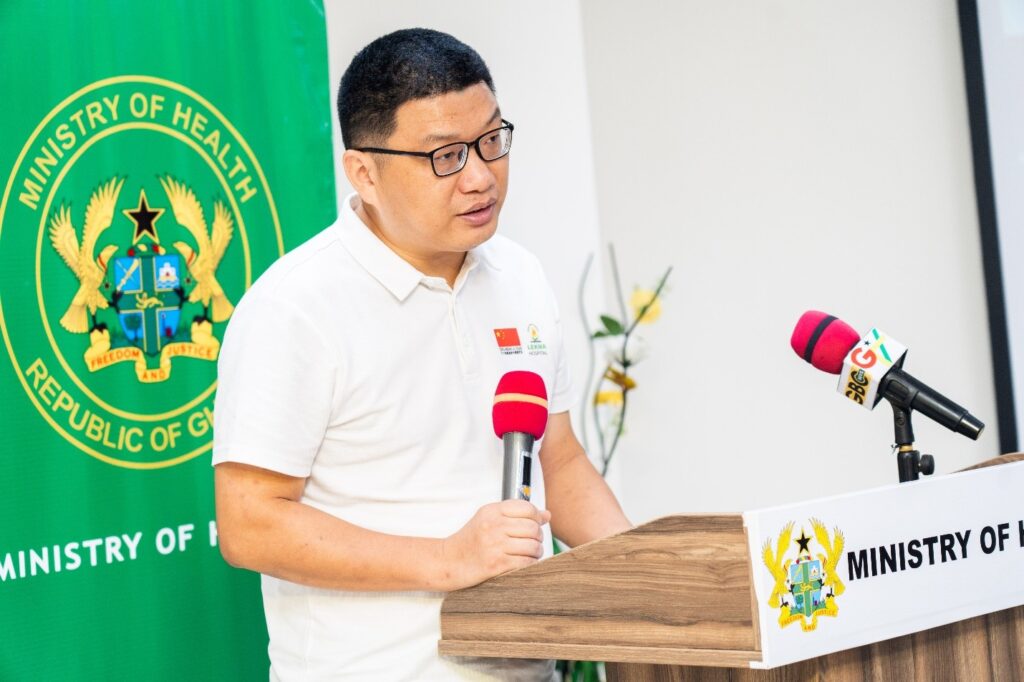
A member of the 14TH batch of Chinese medical team in Ghana, Dr Hoa Linduam, shared experiences from Traditional Chinese Medicine (TCM), noting that China’s healthcare system has successfully integrated TCM with Western medicine over thousands of years. According to the doctor, practices such as herbal therapy, massage and other non-invasive approaches have been effectively used to manage chronic pain, regulate immune function and improve general wellbeing, particularly at the primary healthcare level.
The doctor also expressed admiration for Ghana’s rich traditional medicine heritage, abundant herbal resources and indigenous diagnostic systems, describing them as valuable foundations for a strong integrative healthcare model.
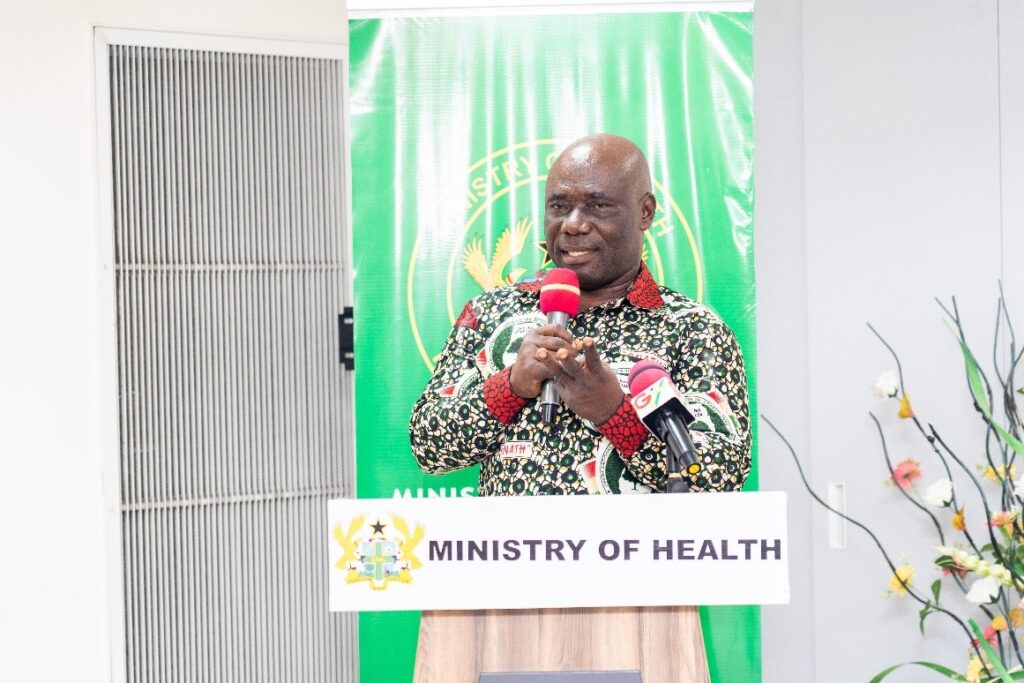
The General Secretary of the Ghana Federation of Traditional Medicine Practioners, Okogye Abibiduro Nana Kwadwo Obiri speaking, made a distinction between “integration of medicine” and “integrative medicine.” He explained that while integration of medicine often focuses on incorporating herbal products into orthodox care, integrative medicine is a complete healthcare system that values traditional knowledge, diagnostic frameworks, preventive care and mind-body approaches alongside conventional medicine.
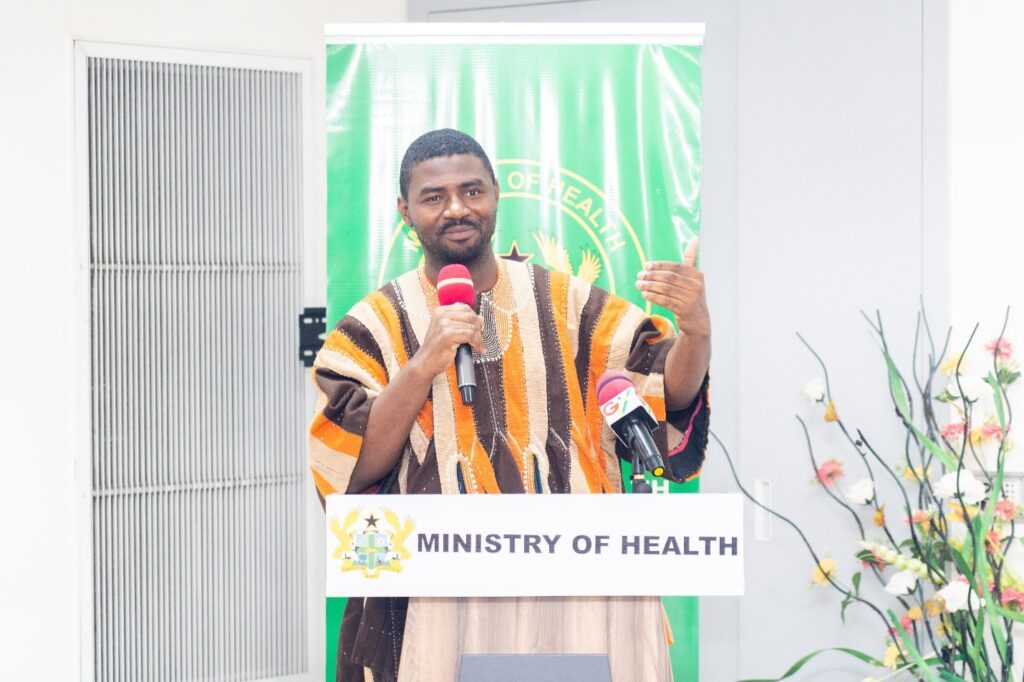
The registrar for Traditional Medicine Practice Council, Dr. (MH) Yakubu Yusuf, also cautioned that without clear policies, standards, research, training and quality assurance, traditional medicine risks being reduced to mere commodities. He therefore called for strong regulatory frameworks, professionalization and digital innovation to support a truly integrative system.
The symposium concluded with a commitment from stakeholders to deepen collaboration, promote mutual respect among practitioners and place patient safety and wellbeing at the center of healthcare delivery. Organizers expressed confidence that integrative medicine offers a holistic, culturally relevant and sustainable pathway for national healthcare development in Ghana.


