








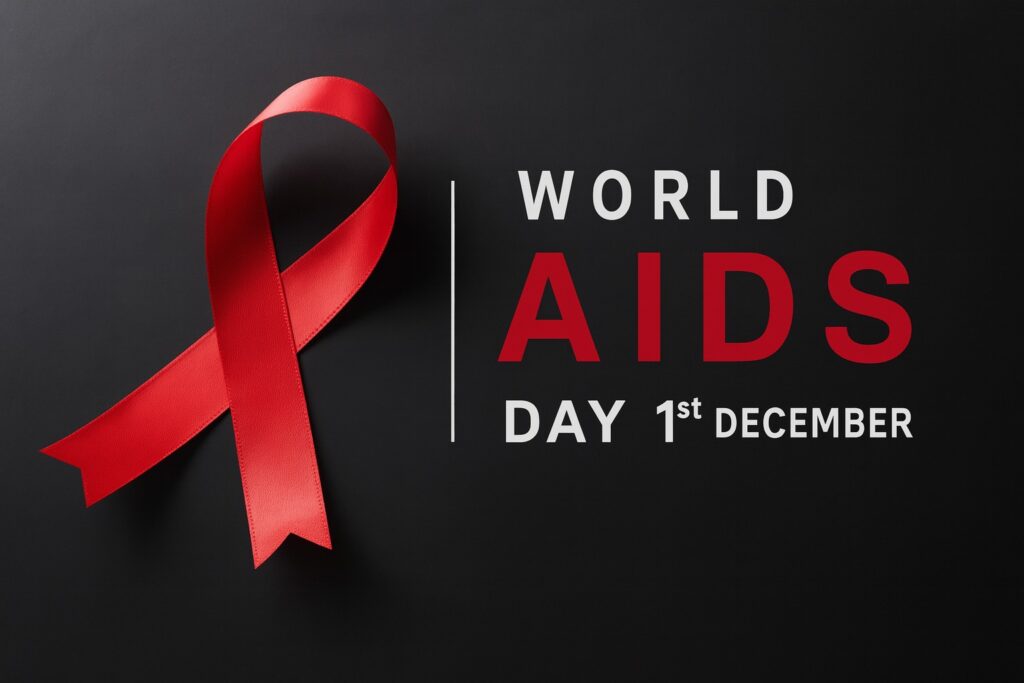


On 1 December 2025, the World Health Organization (WHO), together with governments, civil society, global health partners and affected communities, commemorated World AIDS Day under the theme “Overcoming disruption, transforming the AIDS response.” The theme reflects a defining moment in the fight against HIV/AIDS, as decades of progress are threatened by service interruptions, weakening resources and widening inequalities. Yet, the message from WHO remains firm—progress is still possible, but only through renewed commitment and collective action.
The latest HIV statistics serve as a sobering reminder of the work ahead. At the end of 2024, an estimated 40.8 million people were living with HIV globally. Around 1.3 million individuals acquired HIV that year, while approximately 630,000 people died from HIV-related causes. Although these figures show steady improvement compared to earlier decades, they reinforce that the epidemic remains a major public health concern.
A significant share of the global burden continues to be concentrated in the WHO African Region, where infection rates remain disproportionately high. Experts warn that persistent gaps in prevention, limited access to treatment and social barriers such as stigma and discrimination make certain groups even more vulnerable.
What distinguishes 2025 is the scale of disruption affecting the response. Reduced international funding has forced many programmes to scale back HIV testing, prevention and treatment services, especially in low- and middle-income nations. Communities most affected—such as young women, people living with HIV, key populations and those facing social exclusion—face reduced access to lifesaving care at the time they need it most. Public health leaders warn that these setbacks could compromise global targets, including the goal of ending AIDS as a public health threat by 2030.
However, World AIDS Day 2025 was not only a moment of warning, but also of renewed hope. Advancements in treatment access and ongoing scientific innovations—including long-acting preventive drugs—offer opportunities to reach more people effectively. WHO is urging countries to invest in integrated, community-centered health systems that guarantee access to antiretroviral therapy, prevention services and stigma-free support.
The message is clear: the tools to end AIDS exist. With sustained financing, human-rights-centered approaches and political leadership, the world can still reach the 2030 goal. In Africa and globally, decisions made now will shape whether the fight against AIDS continues forward—or slips into reversal.chieving global HIV targets.


