








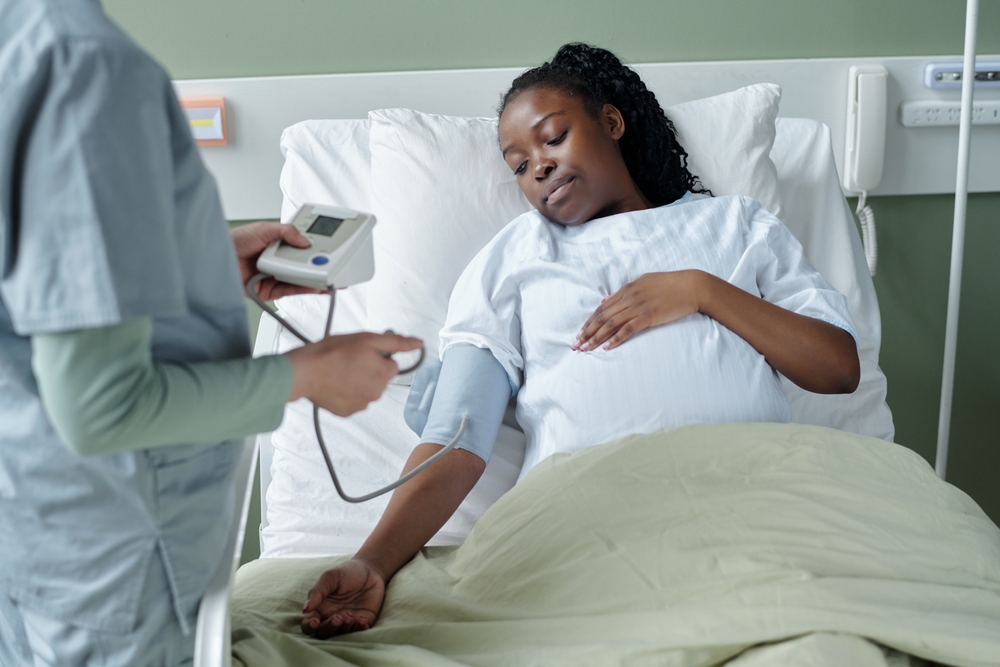


The Principal Midwifery Officer at the Greater Accra Regional Hospital, Felicia Martey Dodoo, issued a dire warning on the GTV Breakfast Show on Wednesday, April 15, 2026: hypertension during pregnancy often struck without obvious symptoms but could turn deadly in hours.
She called on expectant mothers to monitor their blood pressure rigorously both before and after delivery. Ms. Martey Dodoo explained that while blood pressure fluctuations occurred naturally throughout pregnancy, abnormal levels silently triggered life-threatening complications for mother and child when left undetected.
“Hypertension in pregnancy can be silent but deadly,” she declared.
Ms. Martey Dodoo broke down the typical pattern: hormonal changes in the first trimester relaxed blood vessels and caused a slight drop in pressure, which produced dizziness, headaches, and blurred vision. Blood pressure then stabilised in the second trimester and returned to pre-pregnancy levels in the third.
She cautioned, however, that some women entered pregnancy with chronic hypertension, while others developed the condition for the first time during gestation—known as pregnancy-induced hypertension.
“Some women never knew they had high blood pressure until they conceived and received a hospital check,” she said.
She dismissed a dangerous misconception. “Don’t think that after delivery everything is fine,” she warned. She pointed out that complications often persisted into the postnatal period, and some mothers developed high blood pressure only after childbirth.
She therefore advised new mothers to take critical readings: within 48 hours after delivery, again within seven days, and continuously up to six weeks postpartum. “It is very dangerous and deadly if not monitored,” she added.
She listed four warning signs that pregnant women must never ignore: persistent headaches, blurred vision, swelling of the face and limbs, and epigastric pain. She noted that too many women dismissed these as normal pregnancy discomforts—a mistake that delayed medical help and escalated risks.
“These were not just normal pregnancy symptoms, they could be signs of high blood pressure.” she stressed
On prevention, she pointed out early antenatal care, strict adherence to scheduled appointments, and a complete avoidance of self-medication, including herbal remedies. She also recommended light physical activity like walking and stretching, adding that even women with complicated pregnancies performed safe, modified exercises unless a health professional advised otherwise.
“Come to the antenatal clinic early, honour your appointments, and do not ignore any warning signs,” she said.
She further emphasised the role of family support. She recommended that every pregnant woman attended clinic visits with a trusted relative who could help make emergency decisions.
She recalled severe outcomes from delayed care. “We saw cases where women went home and returned in critical condition because they delayed treatment,” she said. Those delays, she added, led to avoidable deaths of both mothers and their unborn children.
Source: GBC


