










Health authorities in Ghana are sounding the alarm on a stealthy health threat affecting thousands. High eye pressure, or Intraocular Pressure (IOP), is a leading risk factor for glaucoma a condition that can cause irreversible blindness. With an estimated 60,000 Ghanaians currently under threat from glaucoma, public health messaging is intensifying to stress that this “silent thief of sight” often provides no warning signs before permanent vision damage occurs.
Intraocular Pressure is the fluid pressure inside the eye, which is essential for maintaining the eye’s shape. A delicate balance between fluid production and drainage keeps it within a normal range of 10-21 millimetres of mercury (mmHg). When this drainage system is blocked, pressure builds. This elevated pressure can gradually and painlessly damage the optic nerve, the vital cable that sends visual information to the brain, leading to glaucoma. The Ghana Health Service warns that this condition is responsible for a significant portion of preventable blindness in the country.
The insidious nature of the condition is its greatest danger. In its early stages, high eye pressure typically has no symptoms like pain or vision change. Some may experience headaches, blurred vision, or see halos around lights, but many notice nothing until significant peripheral vision is permanently lost. “Regular eye exams are not just for getting glasses; they are a critical health check that can save your sight,” emphasize local ophthalmologists.
Key Risk Groups and Preventative Action
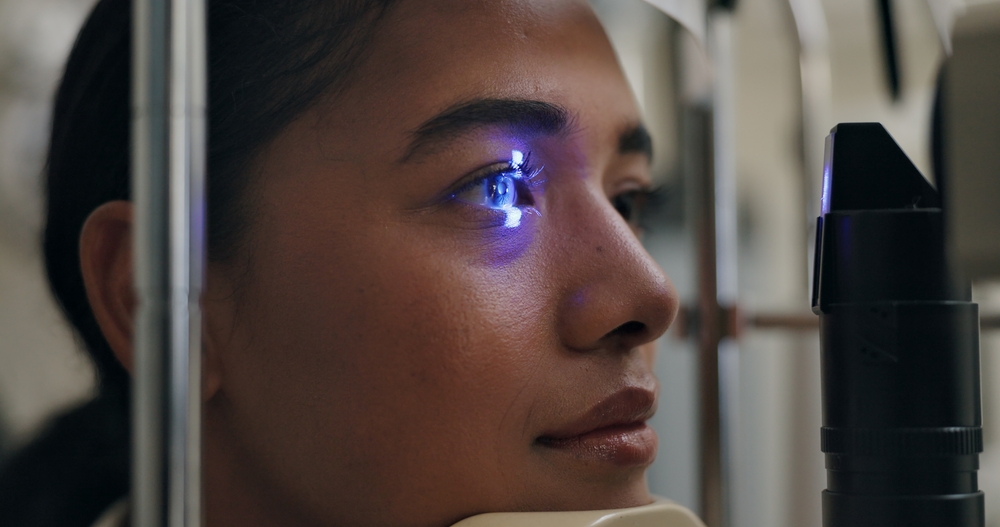
Certain groups are at higher risk and should be especially vigilant. This includes individuals over 40, those with a family history of glaucoma, and people with systemic health conditions like diabetes or hypertension. The cornerstone of prevention is a comprehensive eye exam that includes a quick, painless test called tonometry to measure IOP.
Treatment for high IOP or early glaucoma is effective and can include prescription eye drops, laser therapy, or surgery. Managing underlying conditions and avoiding unprescribed steroid eye drops are also crucial. Public health campaigns are now focused on shifting public perception, framing a routine eye check as a non-negotiable component of overall health maintenance, essential for preserving sight for a lifetime.
Source :Ghanaweb


