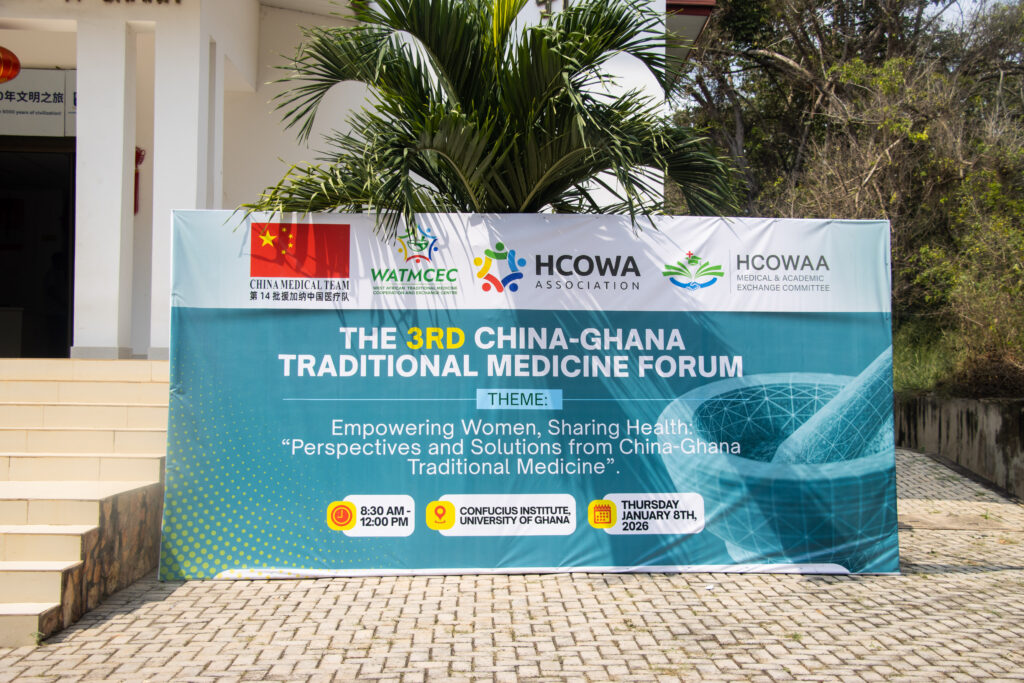







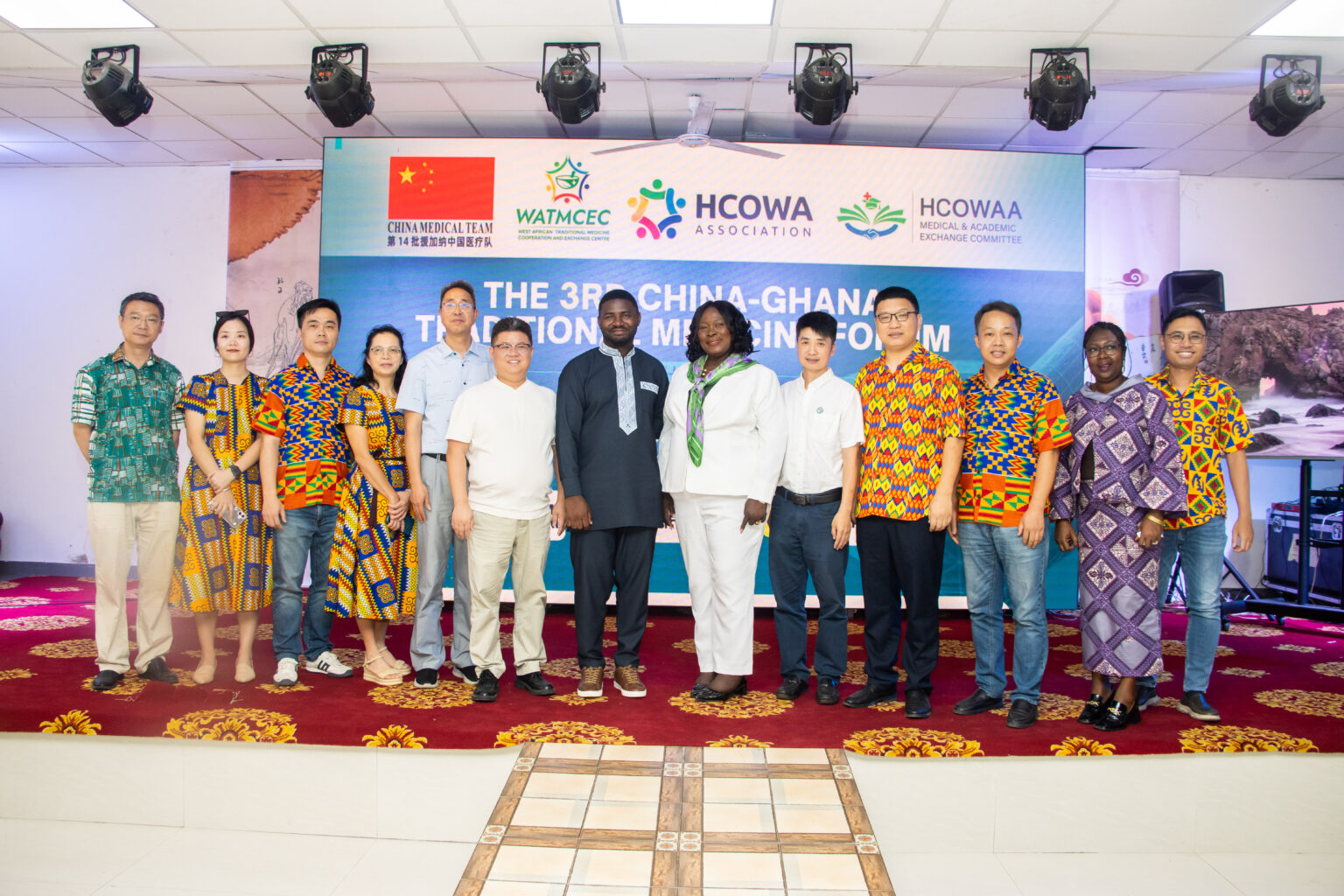


The 3rd China-Ghana Traditional Medicine Forum concluded successfully on 8th January, 2026 at the University of Ghana’s Confucius Institute, bringing together medical experts and practitioners to explore the role of traditional medicine in empowering women’s health. The event, themed “Empowering Women, Sharing Health: Perspectives and Solutions from China-Ghana Traditional Medicine” addressed critical women’s health issues.
The forum, organized by the 14th China Medical Team to Ghana in partnership with the Health Community of West Africa (HCOWA) Association, the West African Traditional Medicine Cooperation and Exchange Centre (WATMCEC), and the HCOWAA Medical & Academic Exchange Committee (H-MAEC), emphasized the vital role of traditional medicine in holistic, preventive care.

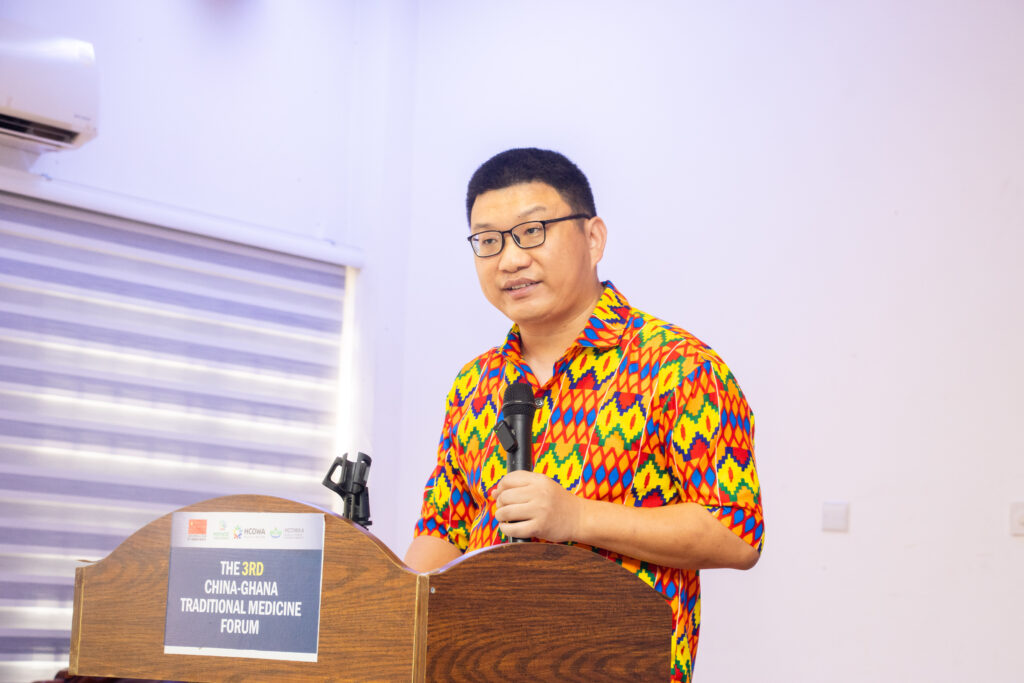
In his opening address, Dr. Hao Linduan, Associate Chief Physician from Guangdong Medical University and a member of the China Medical Team, emphasized the forum’s critical focus. “Women are the cornerstone of families and drivers of social progress… We believe that traditional medicine—both Chinese and Ghanaian—with its natural, holistic, and preventive approaches, offers unique wisdom and effective solutions,” he stated.
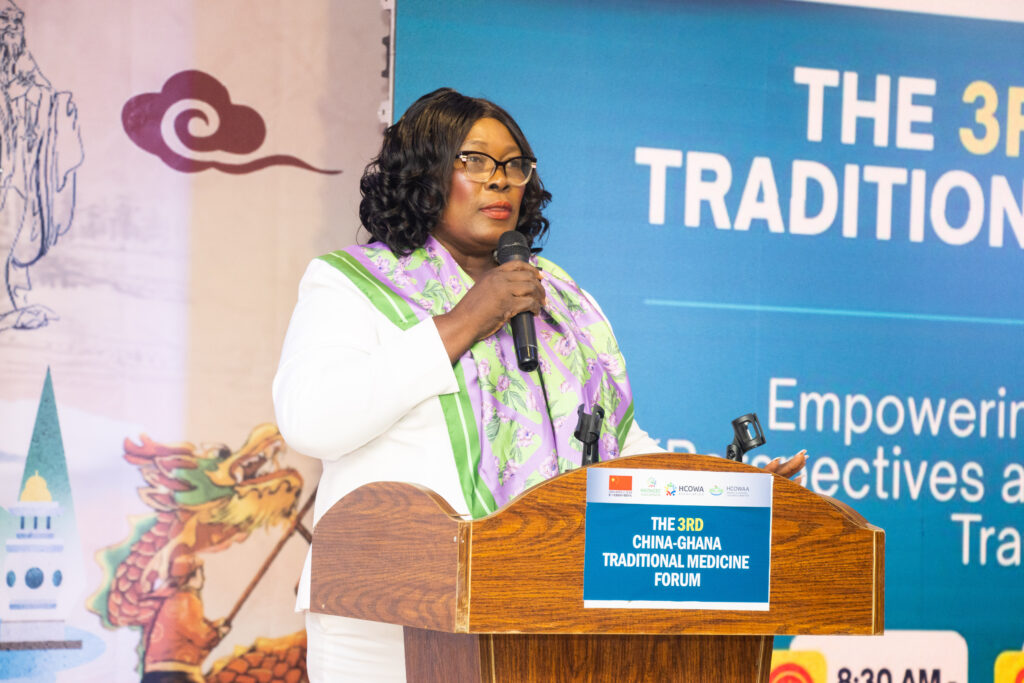
Dr. Anastasia Yirenkyi, Director of the Traditional and Alternative Medicine Directorate at Ghana’s Ministry of Health, highlighted the foundational role of traditional medicine in the national healthcare system, particularly for women and underserved communities. She outlined the government’s commitment to a “safe, regulated, and evidence-based framework” for practice, underscoring ongoing efforts to integrate and standardize traditional care.
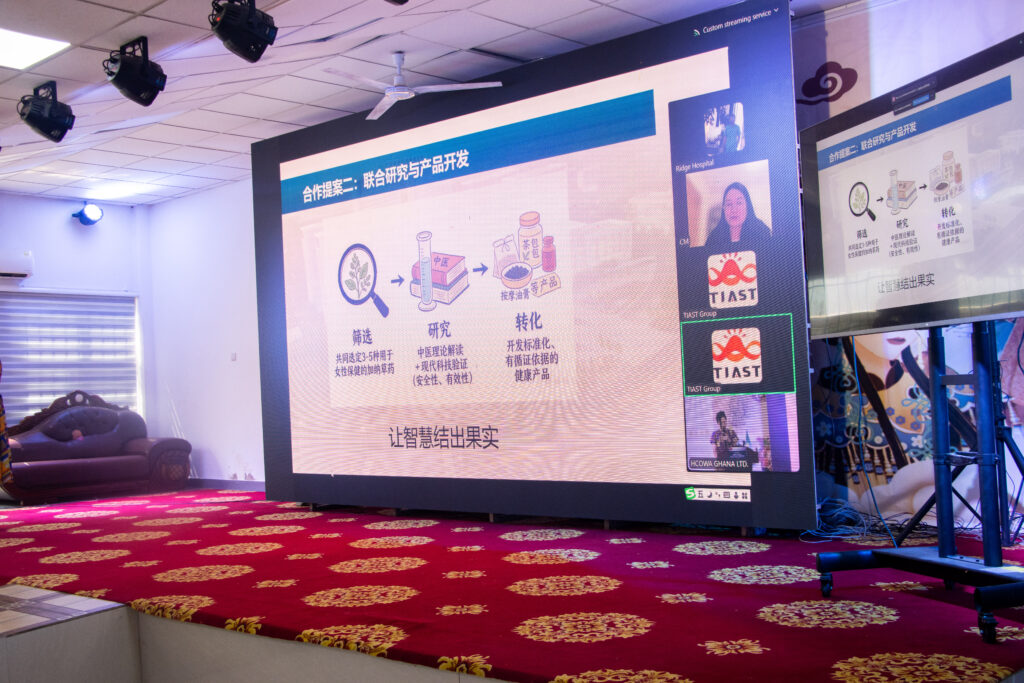
The forum featured a series of expert presentations blending online and in-person participation. Dr. Ye Qiuli, also of Guangdong Medical University, delivered an online talk on “From Postpartum Care to Whole Life Cycle Health,” exploring the potential for Sino-Ghanaian collaboration to improve women’s quality of life.
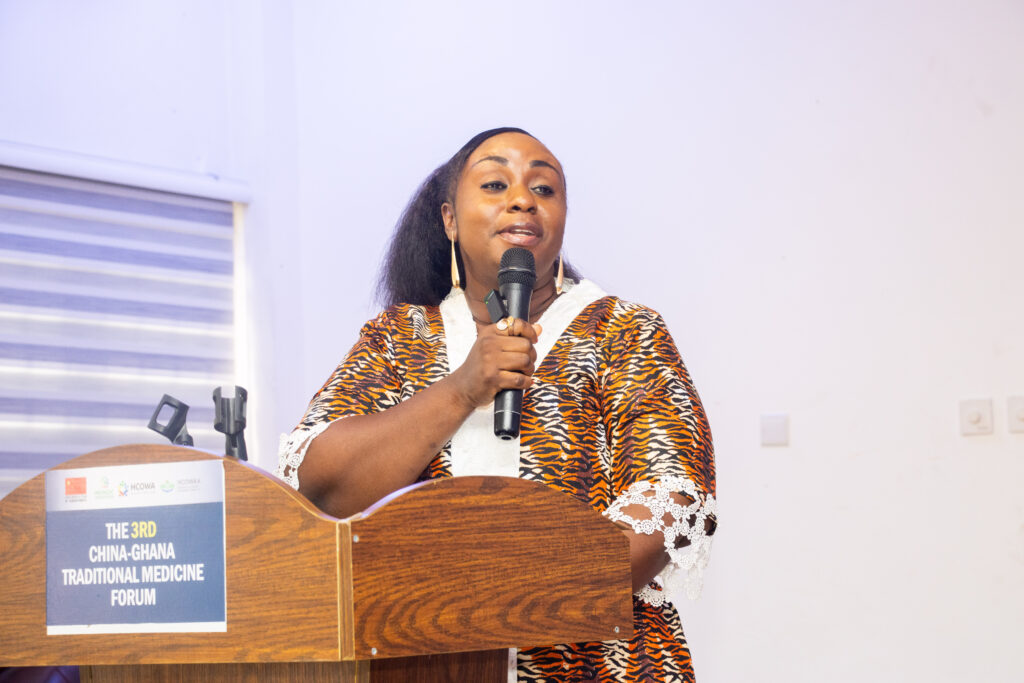
Echoing the theme of collaboration, Dr. Sandra Ashong, President of the Ghana Association of Medical Herbalists, shared successful clinical outcomes using Traditional Chinese Medicine (TCM) techniques like acupuncture and cupping at Lekma Hospital. “To truly empower women’s health, we must remain open, respectful, and collaborative,” she urged, citing treatments for conditions including infertility, menstrual disorders, and pelvic inflammatory disease.
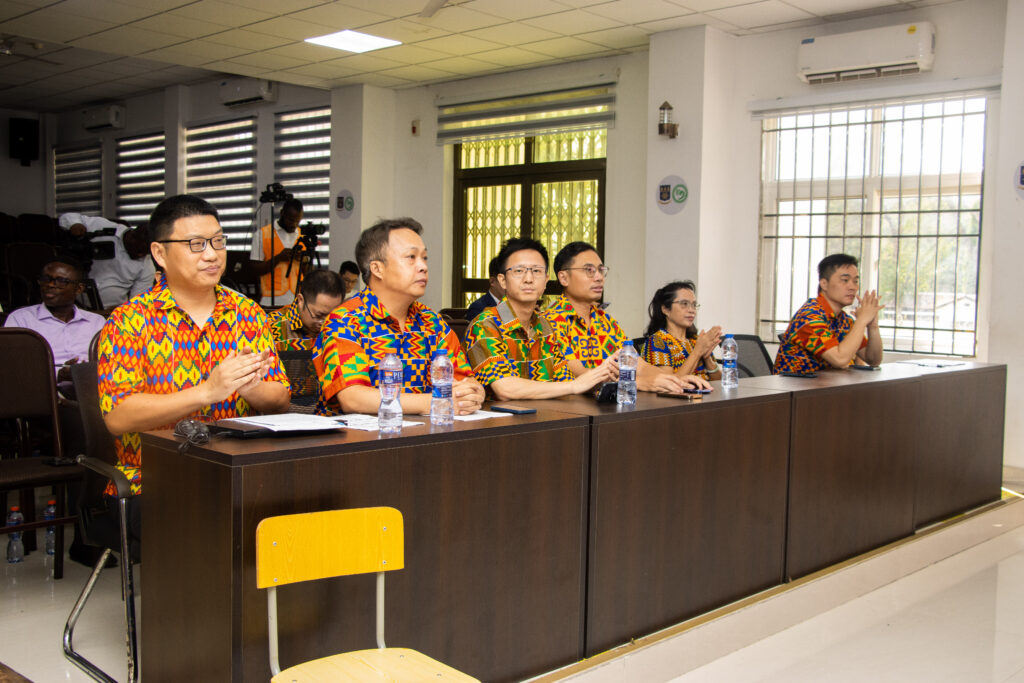
A practical deep dive into TCM applications was provided by Dr. Hao Linduan, who detailed personalized treatments for common gynecological conditions. He explained tailored internal herbal formulas and external therapies like moxibustion and herbal retention enemas, noting their efficacy against chronic pelvic inflammatory disease.
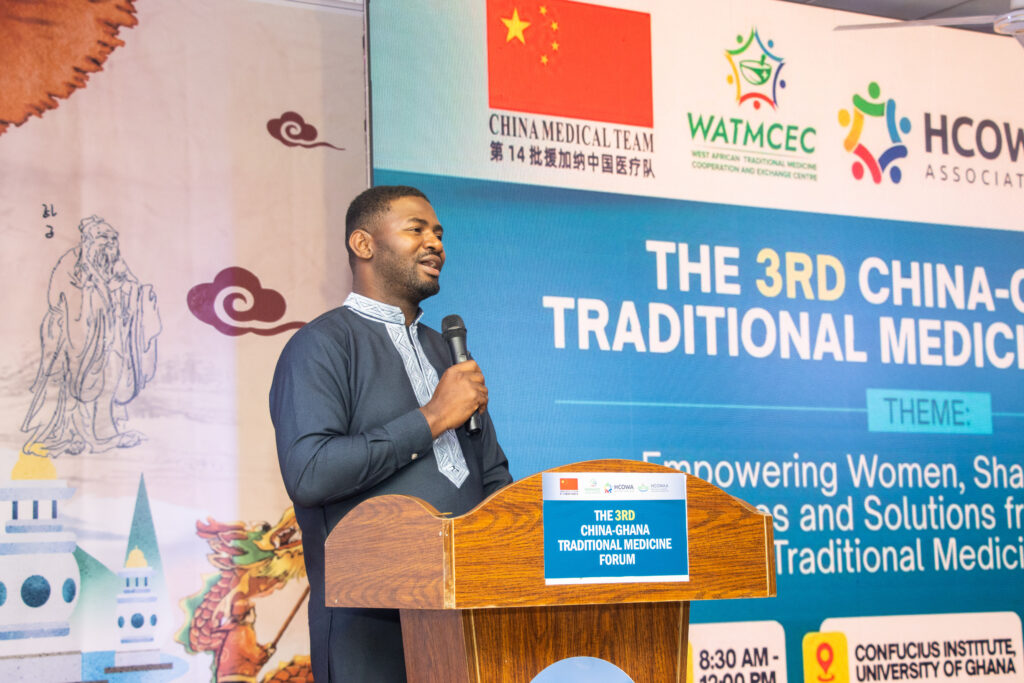
The regulatory future of the sector was addressed by Dr. Yakubu Tobor Yusuf, who announced proactive steps to strengthen oversight. “We are establishing mandatory Good Manufacturing Practices for all traditional medicine products and developing comprehensive standards of practice for all categories of practitioners,” he said, referring to ongoing work on a new legislative bill.
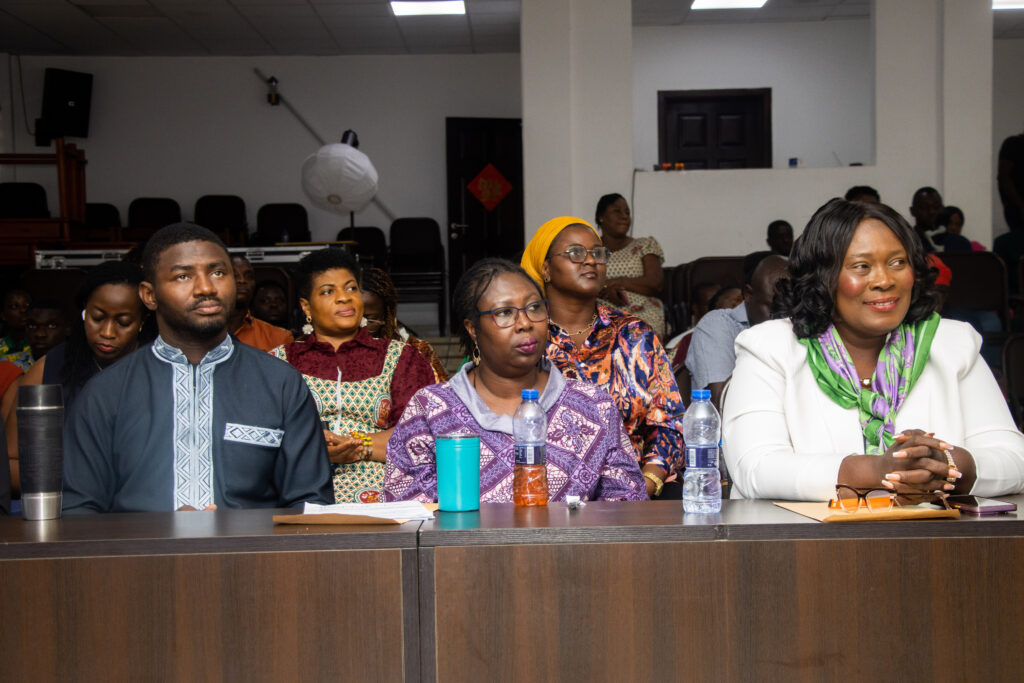
The forum concluded with a clear consensus: empowering women’s health requires openness, respect, and sustained collaboration between the Chinese and Ghanaian traditional medicine systems. The event closed with networking and a shared commitment to advancing this integrative, patient-centered healthcare model for the benefit of communities in Ghana and beyond.
The 14th China Medical Team to Ghana is a long-standing symbol of Sino-Ghanaian health cooperation. The Health Community of West Africa (HCOWA) Association and its partners are dedicated to fostering medical dialogue, research, and integrative health solutions across the region.