








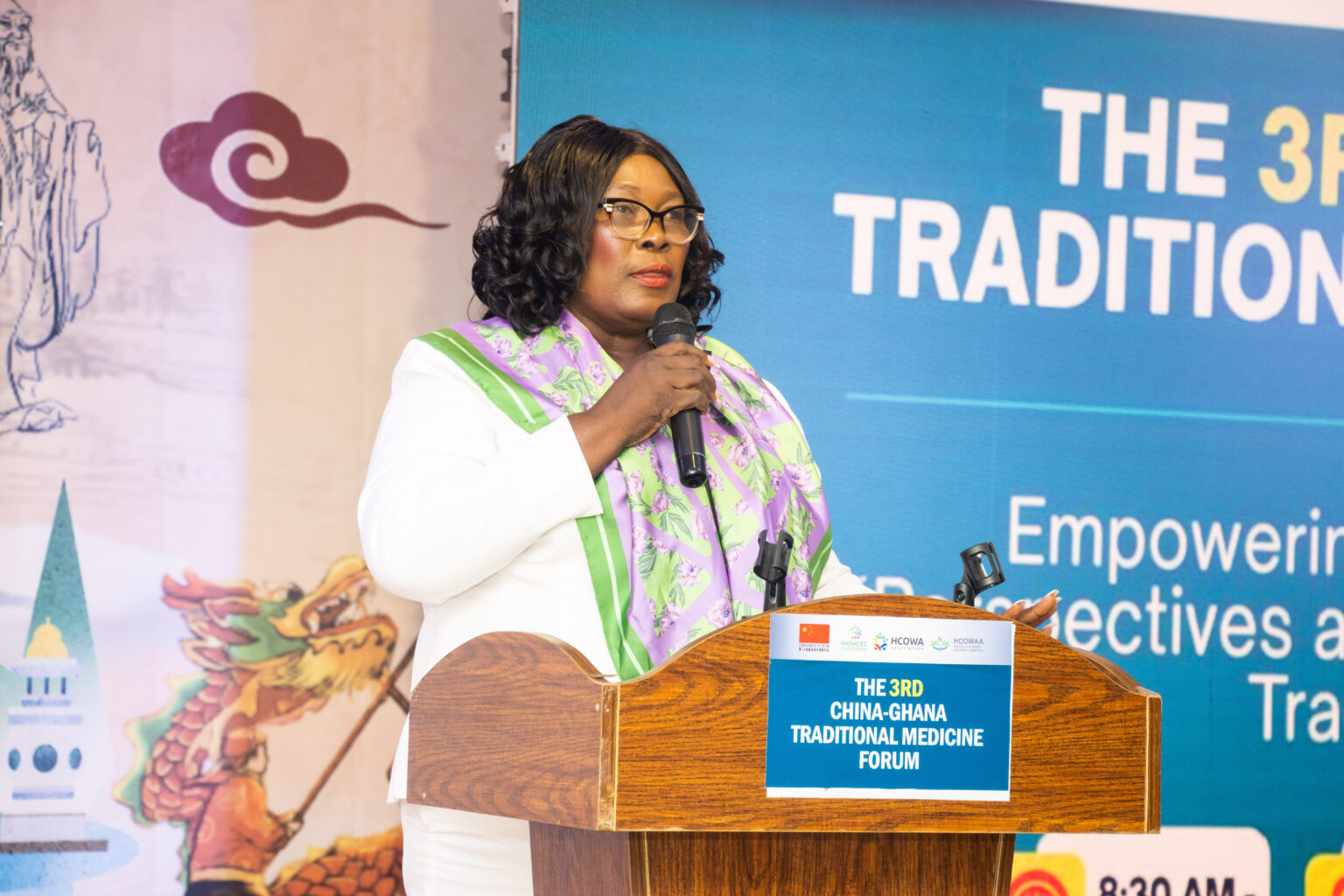


Ghana has reaffirmed its commitment to advancing women’s health through safe, regulated, and evidence-based traditional medicine amid deepening healthcare ties with China. This pledge was underscored at the Third China–Ghana Traditional Medicine Forum, held under the theme “Empowering Women, Sharing Health: Perspectives and Solutions from China–Ghana Traditional Medicine.”
Dr. Anastasia Yirenkyi, Director of the Traditional and Alternative Medicine Directorate at Ghana’s Ministry of Health, highlighted the pivotal role of traditional and alternative medicine in the nation’s healthcare system, especially for women, rural populations, and underserved communities, where it often serves as the first line of care.

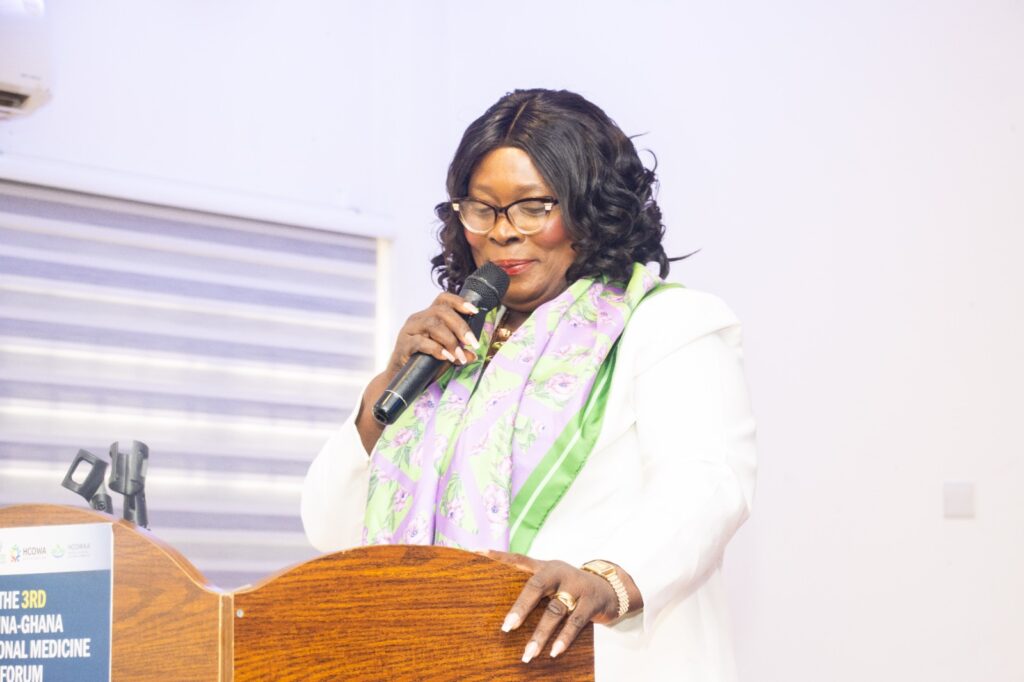
Ghana views traditional medicine not only as cultural heritage but as an essential pillar of national healthcare delivery. Through the Directorate, the Ministry of Health is bolstering policies, regulating practitioners and herbal products, fostering research, and bridging traditional and orthodox medicine to safeguard patient safety and care quality.
Dr. Yirenkyi emphasized that women’s health remains a national priority. Traditional medicine has long bolstered reproductive health, maternal care, menstrual and menopausal management, chronic disease treatment, and mental well-being. Yet, the Ministry insists these benefits must be grounded in scientific validation, standardization, and regulation to shield women from unsafe practices and unverified products.

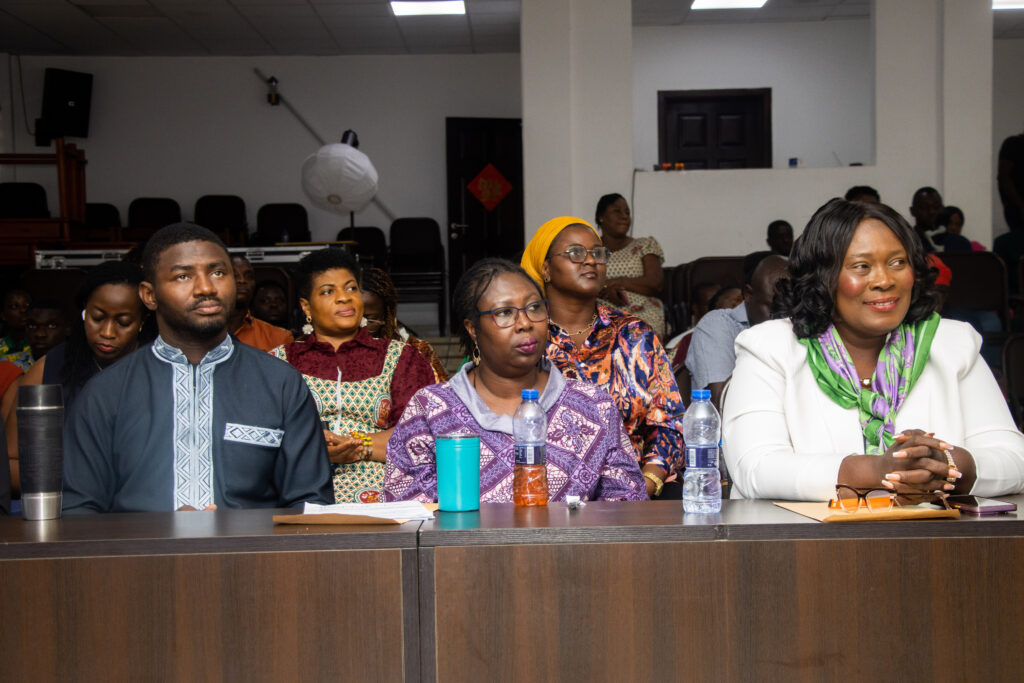
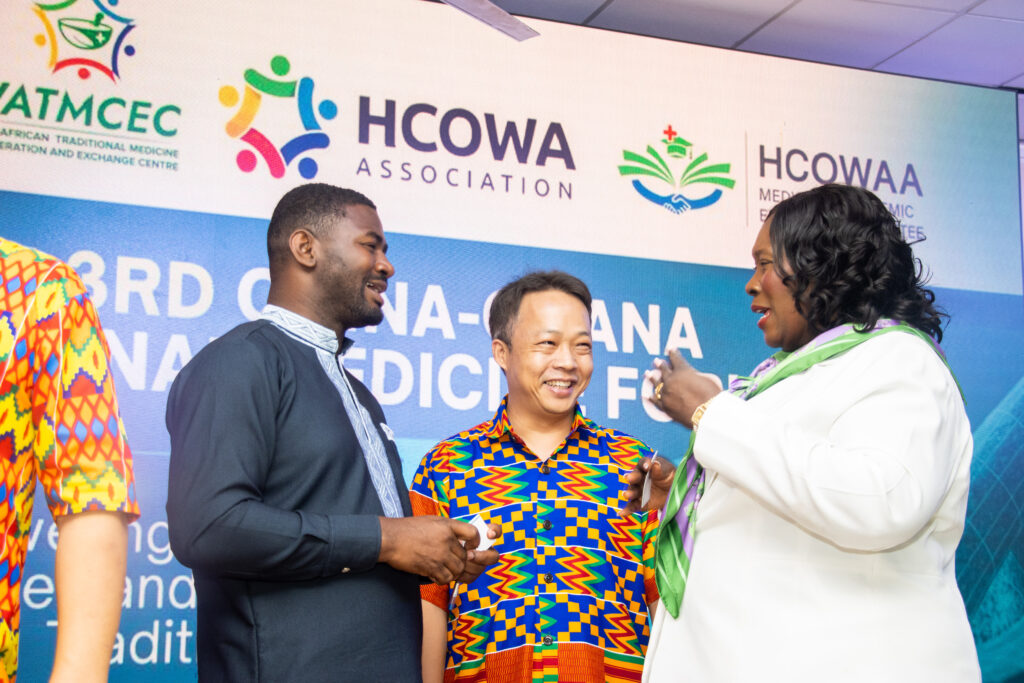
The forum also illuminated the expanding China–Ghana health partnership, particularly in Traditional Chinese Medicine. Chinese medical teams have long supported clinical services, professional training, and knowledge exchange in Ghana. Highlights included demonstrations of therapeutic techniques, discussions on herbal preparations, AI applications in consultations, and capacity-building for practitioners and researchers.
Looking ahead, the Ministry of Health charted a roadmap built on three key pillars:
– Strengthened policy and regulation;
– Collaborative research to build evidence on traditional medicine, with a focus on women’s health; and
– Long-term integration of traditional medicine into Ghana’s Universal Health Coverage framework.
Dr. Yirenkyi closed by urging sustained cross-border and interdisciplinary collaboration, asserting that healthcare’s future lies in blending traditional and modern strengths to create inclusive, innovative, and culturally attuned systems.
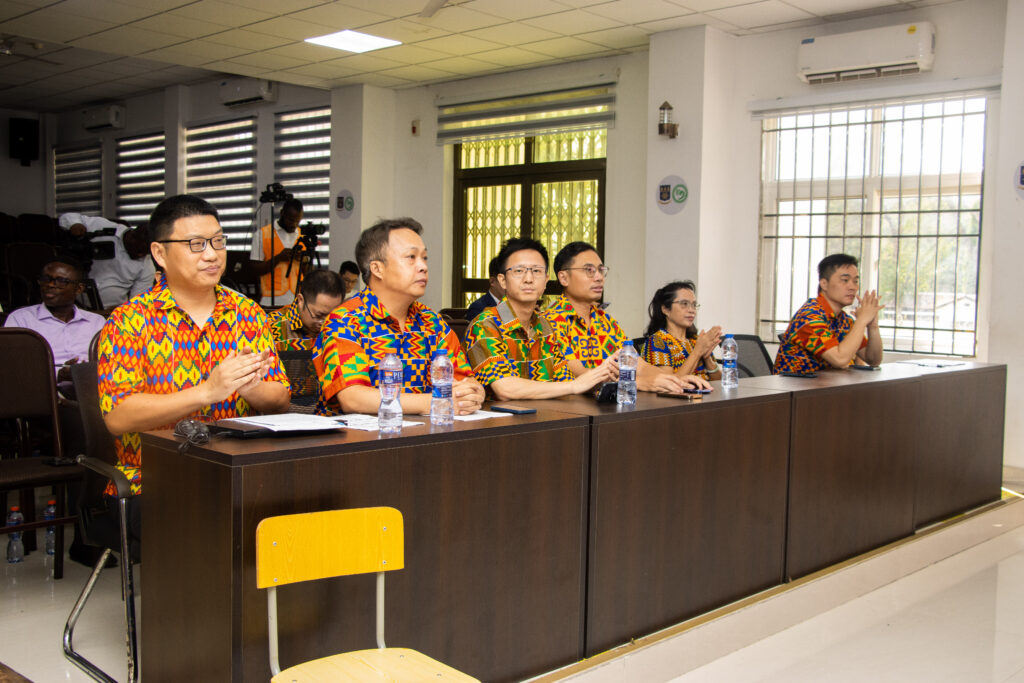
The Third China–Ghana Traditional Medicine Forum served as a vital platform for dialogue, partnership-building, and shared learning, reinforcing the shared commitment of both countries to improving health outcomes for women and communities across Ghana and beyond.


