




The Health Community of West Africa Association has reaffirmed its commitment to strengthening healthcare systems, promoting diagnostic innovation and advancing professional collaboration across the West African sub-region following its participation in the opening ceremony of the Ghana Association of Medical Laboratory Scientists (GAMLS) 2026 Annual National Congress.
The congress, held on November 5, 2026, at the GAMLS National Secretariat Complex in Ngleshie Amanfrom, Greater Accra Region, brought together traditional authorities, government representatives, healthcare professionals, institutional leaders, international delegates and members of the medical laboratory science community to deliberate on developments, challenges and opportunities within the diagnostic healthcare sector.
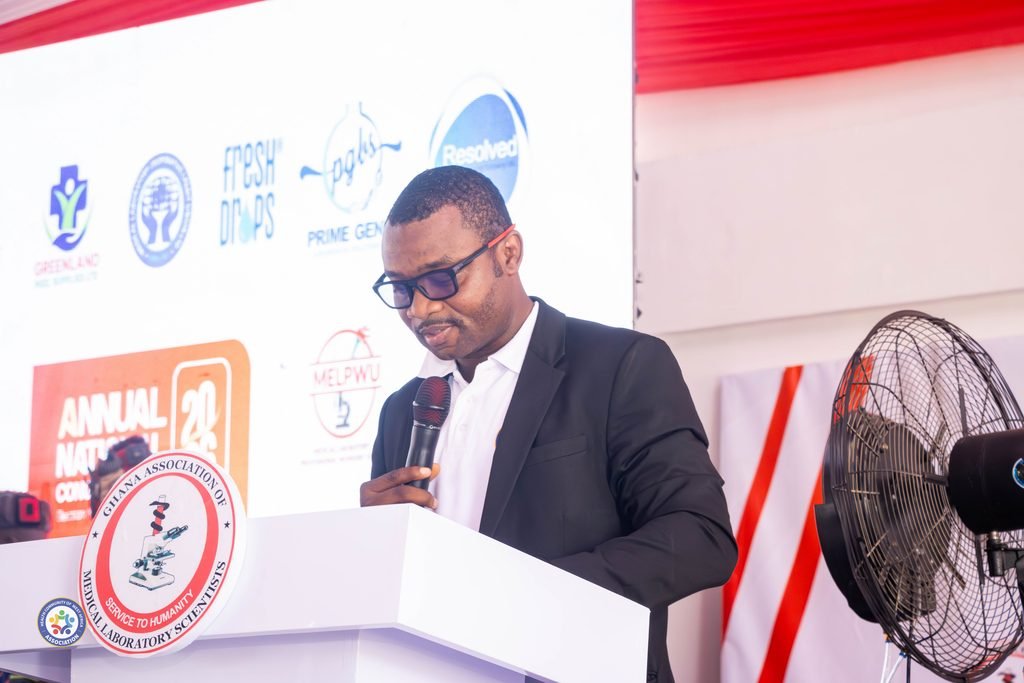
Representing the Health Community of West Africa Association, Dr. Benjamin Mensah Kwei delivered a solidarity message on behalf of the organisation, highlighting the importance of innovative diagnostic approaches, stronger institutional partnerships and continuous professional development in improving healthcare delivery.
In his address, Dr. Mensah Kwei encouraged GAMLS to embrace emerging diagnostic technologies and approaches, particularly Human Papillomavirus (HPV) testing, as part of broader efforts to strengthen preventive healthcare, promote early detection and improve disease management.
He emphasised the importance of diagnostic innovation in addressing public health challenges and encouraged the Association to continue exploring opportunities that would enhance the capacity of medical laboratory professionals and improve access to reliable diagnostic services.
The solidarity message further reflected HCOWA’s commitment to working with professional associations, healthcare institutions and other stakeholders to promote knowledge exchange, technical cooperation and sustainable healthcare development across Ghana and the wider West African region.
Commitment to Advancing Diagnostic Healthcare
The participation of the Health Community of West Africa Association in the congress reflects the organisation’s broader interest in supporting the development of healthcare institutions and professional bodies through strategic engagement and collaboration.

Medical laboratory science remains a critical component of effective healthcare delivery. From disease detection and laboratory investigations to disease surveillance and clinical decision-making, medical laboratory professionals play an essential role in ensuring that patients receive appropriate and timely care.
As healthcare systems increasingly embrace technology, innovation and preventive approaches, strengthening diagnostic capacity has become particularly important. This includes improving access to modern diagnostic equipment, promoting new testing methods, strengthening laboratory infrastructure and equipping professionals with the technical knowledge required to respond to evolving healthcare needs.
HCOWA recognises that progress in these areas requires sustained collaboration among professional associations, healthcare providers, government institutions, development partners and industry stakeholders.
GAMLS Highlights the Importance of Professional Development and Regulation
During the opening ceremony, Dr. John Tosenu, Chairman of the Local Organising Committee and President of the GAMLS Greater Accra Regional Chapter, highlighted the indispensable contribution of medical laboratory professionals to healthcare delivery.

He reminded participants that every laboratory sample represents a human life and that the accuracy of laboratory results has significant implications for clinical decisions, disease management and patient outcomes.
Dr. Tosenu also advocated for a mandatory professional dress code for medical laboratory science students during practical sessions, emphasising the importance of discipline, professionalism and appropriate conduct in the training of future laboratory scientists.
Delivering the State of the GAMLS Address, the Association’s President, Dr. Eric Kofi Aidoo, reaffirmed the organisation’s commitment to strengthening the medical laboratory profession and supporting Ghana’s Free Primary Healthcare initiative.

He observed that the government’s launch of the Free Primary Healthcare initiative on April 15, 2026, coincided with the unveiling of GAMLS’ Strategic Plan, reflecting the profession’s readiness to contribute to national healthcare priorities.
A major issue highlighted during the address was the need for a dedicated Medical Laboratory Science Council to provide a stronger regulatory framework for the profession. The proposed council is expected to strengthen professional oversight, promote standards and support the continued
His presentation underscored the importance of well-equipped diagnostic facilities and skilled laboratory professionals in ensuring that the objectives of the national healthcare initiative are achieved.

Government Reaffirms Commitment to Medical Laboratory Professional Development
Delivering a message on behalf of the Greater Accra Regional Minister, Dr. Ignatius Abowini Awinibuno, Director of Allied Health at the Ministry of Health, officially declared the 2026 Annual National Congress open.
In his address, he clarified that Ghana’s Free Primary Healthcare initiative is intended to complement, rather than replace, the National Health Insurance Scheme (NHIS), as part of the country’s broader Universal Health Coverage agenda.

The government’s position highlighted the importance of integrating existing healthcare financing arrangements with new interventions aimed at improving access to essential healthcare services.
The discussions further reinforced the need for coordinated efforts among healthcare professionals, regulatory bodies and government institutions to improve service delivery and strengthen the country’s healthcare system.
Traditional Authority Calls for Engagement on GAMLS Secretariat Land
The chairman of the occasion, His Royal Majesty Nii Kwashie Gbolor IV, Divisional Chief of Ngleshie Amanfrom, commended GAMLS for organising the congress and acknowledged the importance of maintaining a cordial relationship between the Association and the traditional authority.

In his remarks, he encouraged the GAMLS leadership to visit his palace for further discussions concerning alleged encroachment on land belonging to the Association.
He emphasised the importance of dialogue and constructive engagement in addressing the matter, while expressing appreciation for the relationship between the traditional leadership and the Association.
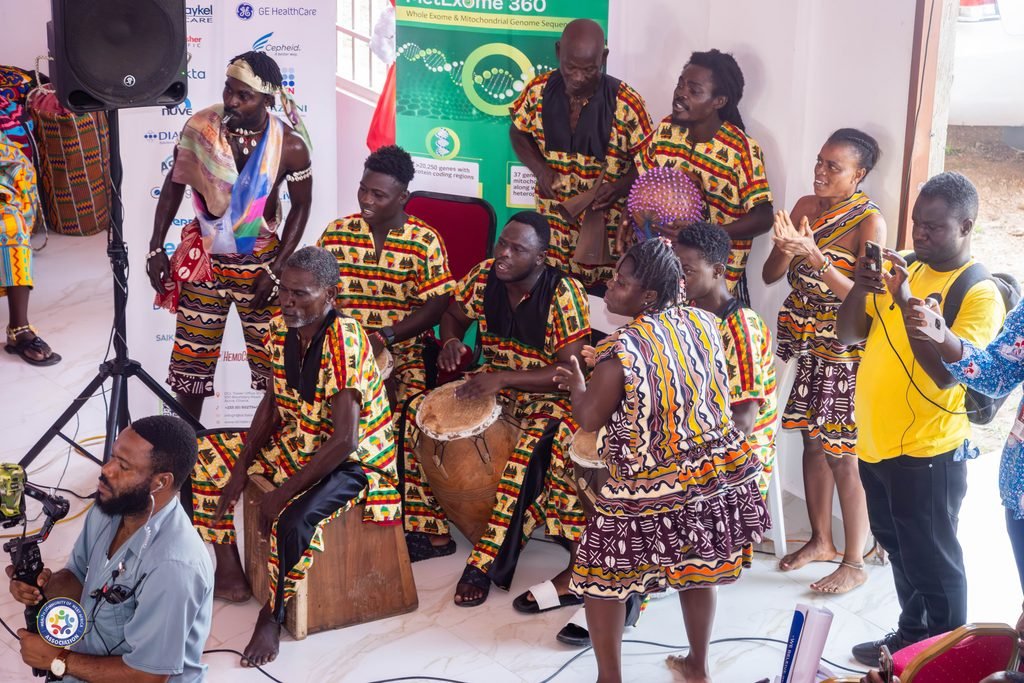
The opening ceremony commenced with a cultural performance by the SAJII PII Music and Dance Troupe ahead of the arrival of the traditional ruler and other distinguished guests.
The programme concluded with a vote of thanks delivered by MLS Francis Nyame, followed by a closing Islamic prayer led by Dr. Nuhaila Koray, Secretary of the Association of Private Medical Laboratories (APML). The opening ceremony ended at 3:35 p.m. GMT.
Commitment to Healthcare Development Across West Africa
The participation of the Health Community of West Africa Association in the GAMLS 2026 Annual National Congress underscores the importance of sustained engagement with professional healthcare organisations in advancing the quality and accessibility of healthcare services.

Through its participation and solidarity with GAMLS, the Health Community of West Africa Association continues to encourage initiatives that promote diagnostic innovation, professional development, institutional partnerships and the adoption of emerging healthcare technologies.
The Association recognises that strengthening healthcare delivery requires collective action, shared expertise and collaboration across different segments of the health sector.
The Health Community of West Africa Association remains committed to working with professional associations, healthcare institutions, government agencies and international partners to advance healthcare innovation, strengthen professional capacity and support the development of more resilient and responsive healthcare systems across Ghana and the West African region.
