










By Alberta Okyere
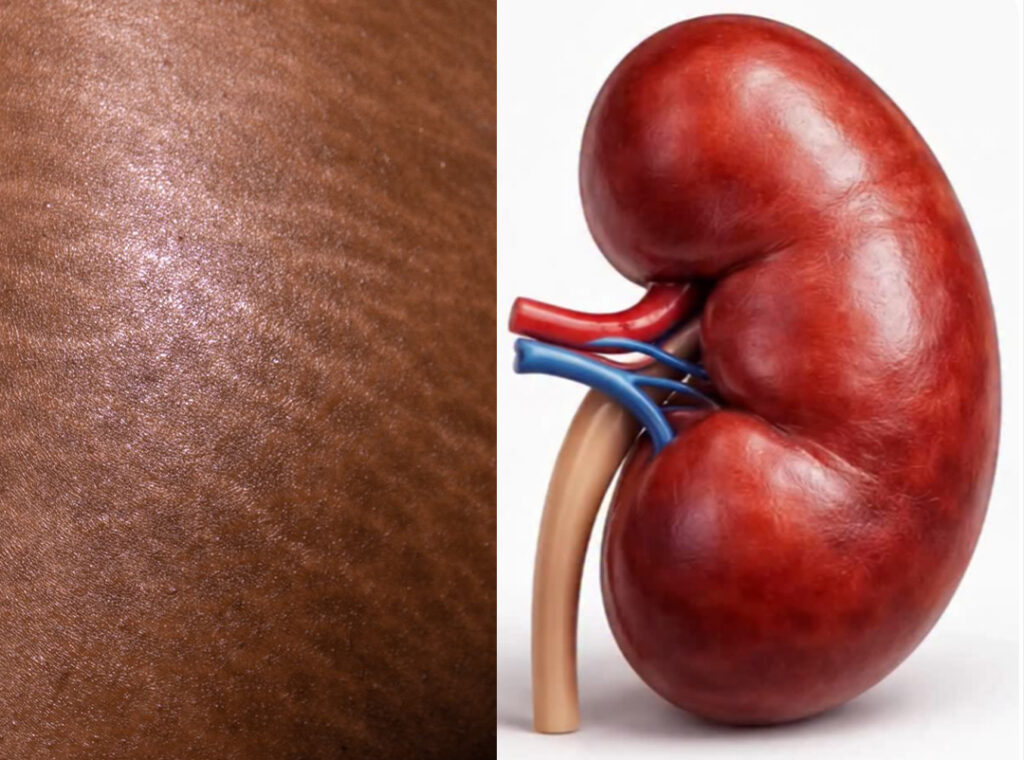
The skin often reflects the health of the body’s internal organs, including the kidneys. The kidneys play an essential role in filtering waste products, balancing minerals, and regulating fluids in the body. When kidney function declines, toxins and excess substances accumulate in the bloodstream. This buildup can lead to several skin disorders that may affect a person’s comfort, appearance, and overall quality of life.
One of the most common skin conditions seen in people with kidney disease is uremic pruritus, a condition characterized by persistent itching. This occurs when waste products build up in the blood because the kidneys are unable to filter them effectively. The itching can be intense and often worsens at night, disturbing sleep and causing discomfort. Continuous scratching may also lead to skin damage or infection.
Another frequent skin problem associated with kidney disease is xerosis, which refers to extremely dry skin. In individuals with kidney problems, the skin’s sweat and oil glands may become less active. This leads to dryness, flaking, and rough patches on the skin. Dry skin can also worsen itching, creating a cycle of irritation and discomfort.
Some people with advanced kidney disease may develop a rare but serious condition known as calciphylaxis. This disorder occurs when calcium accumulates in the small blood vessels of the skin and fatty tissues. As a result, painful skin lesions , dark patches, or ulcers may appear. Calciphylaxis requires urgent medical attention because it can lead to severe tissue damage.
Another condition linked to severe kidney problems is nephrogenic systemic fibrosis. This disorder causes the skin to become thick, hard, and tight. Over time, the skin may lose flexibility, making movement difficult and uncomfortable for affected individuals.
In addition to these disorders, kidney disease may also cause changes in skin color, swelling, rashes, or small calcium deposits under the skin due to mineral imbalances in the body.
In conclusion, skin disorders are common in people with kidney disease and can serve as important warning signs of underlying health problems. Recognizing these skin changes early and seeking proper medical care can help manage symptoms and improve both kidney health and overall well-being.


