










Women’s health is a critical part of community health, yet it is sometimes discussed only in relation to pregnancy or childbirth. In reality, women’s health is much broader. It includes physical, mental, emotional, and social well-being throughout every stage of life—from adolescence to adulthood and into menopause. Understanding these different stages and the health challenges that can arise is essential for prevention and early treatment.
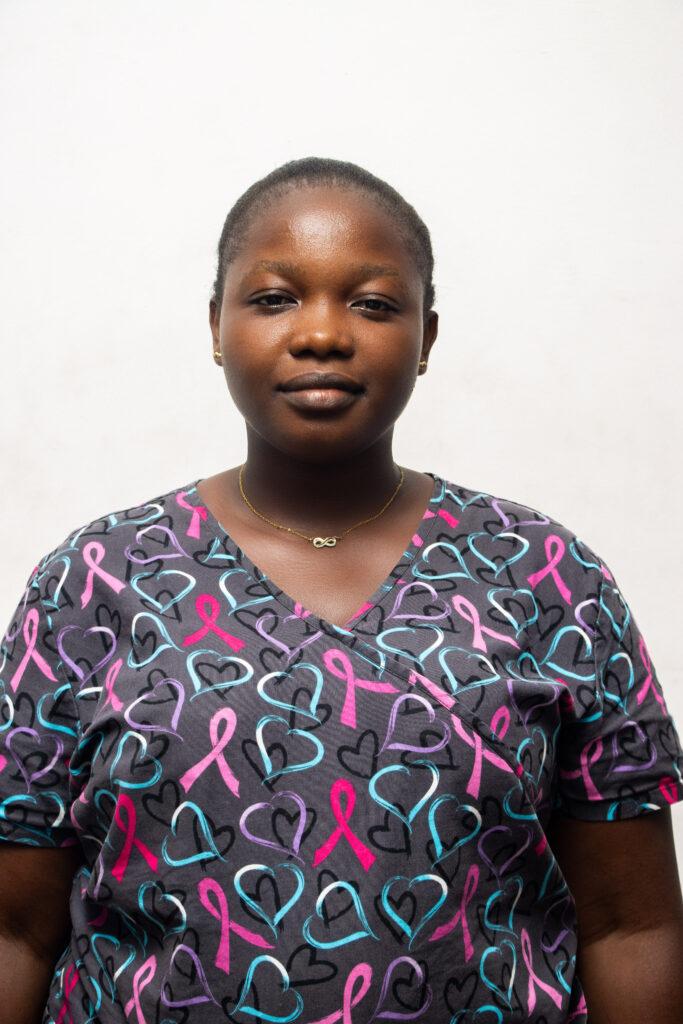
In this interview, Nurse Akpor shares her professional insights on the common health issues affecting women, the importance of preventive care, and how women can take proactive steps to protect their well-being.
Q: To start, how would you define women’s health, and why is it important to approach it holistically?
Women’s health is about the overall well-being of women at every stage of life. It goes beyond reproductive health to include physical health, mental health, emotional well-being, and even social factors that influence a woman’s life. As healthcare providers, we recognize that these aspects are interconnected. For instance, stress can affect sleep, menstrual cycles, and even blood pressure. That is why we must look at the whole person rather than focusing on a single symptom.
Q: What are some of the most common health issues affecting women in our communities today?
Many women in our communities experience reproductive health challenges such as menstrual irregularities, infections, and fertility issues. We also see cases of cervical cancer and breast cancer, which remain major health concerns for women. In addition, non-communicable diseases like hypertension, diabetes, and anemia are becoming increasingly common. Another issue that is often overlooked is mental health. Many women juggle multiple responsibilities, and the stress associated with these roles can affect their emotional and physical well-being.
Q: How does mental health affect women’s overall health?
Mental health is closely connected to physical health. Hormonal changes throughout a woman’s life—such as during menstruation, pregnancy, and menopause—can influence mood and emotional balance. When stress, anxiety, or depression go untreated, they can lead to sleep problems, fatigue, and even physical illness. It is important for women to feel comfortable seeking help and discussing their mental health concerns with professionals or trusted support systems.
Q: Many women experience menstrual discomfort. When should someone seek medical advice?
Mild discomfort during menstruation can be normal, but severe pain should not be ignored. Women should seek medical attention if they experience extremely heavy bleeding, periods that last longer than seven days, or cycles that remain irregular for several months. These symptoms could indicate conditions such as fibroids, hormonal imbalances, or endometriosis. Early medical consultation helps ensure proper diagnosis and treatment.

Q: How important is preventive healthcare for women?
Preventive healthcare is extremely important. Routine screenings help detect health problems early, sometimes before symptoms even appear. Regular checks for blood pressure, blood sugar levels, and general health are essential. For women, cervical cancer screening through Pap smears is very important because it helps identify abnormal cells early. Breast health is also a priority, and women should practice breast self-examination and undergo mammograms when recommended by healthcare professionals.
Q: Can you explain why breast self-examination is important?
Breast self-examination helps women become familiar with their bodies so they can notice any unusual changes. By regularly checking for lumps, thickening, or visible changes in the breast, women can detect possible problems early. Early detection greatly improves treatment outcomes, which is why awareness and education about breast health are so important.
Q: What signs might indicate hormonal imbalance or reproductive health concerns?
Symptoms such as irregular menstrual cycles, unexplained weight gain or loss, persistent fatigue, severe acne, mood swings, or difficulty conceiving can sometimes indicate hormonal imbalances. These symptoms should not be ignored. Consulting a healthcare provider allows women to receive proper evaluation and guidance on possible treatment options.
Q: What role does family planning play in women’s health?
Family planning is an important part of women’s health and empowerment. It allows women to make informed decisions about if and when they want to have children. There are several safe contraceptive options available, including pills, injections, implants, and intrauterine devices. The best option depends on a woman’s health status, lifestyle, and personal preferences, so consultation with a healthcare professional is always recommended.
Q: What advice would you give to women about proritizing their health?
Many women prioritize their families and responsibilities above their own health, but self-care is essential. Women should make time for regular medical check-ups, maintain a balanced diet, stay physically active, and manage stress. When women take care of their own health, they are better able to support their families and contribute positively to their communities.
|
Q: Finally, what message would you like women to take away about thir health?
My message is simple: do not ignore your health. Early detection and preventive care can save lives. Women should not let fear, stigma, or misinformation prevent them from seeking medical attention. By staying informed, asking questions, and prioritizing their well-being, women can live healthier and more fulfilling lives.


