










The China-Ghana Traditional Medicine Forum is a key bilateral platform established to foster collaboration, knowledge exchange, and innovation in traditional medicine research and practice between the two nations.
In a landmark address bridging centuries of traditional wisdom and modern clinical practice, a leading Ghanaian medical expert has issued a powerful call for an integrated, evidence-based approach to women’s healthcare, uniting Ghanaian herbal medicine with Traditional Chinese Medicine (TCM).
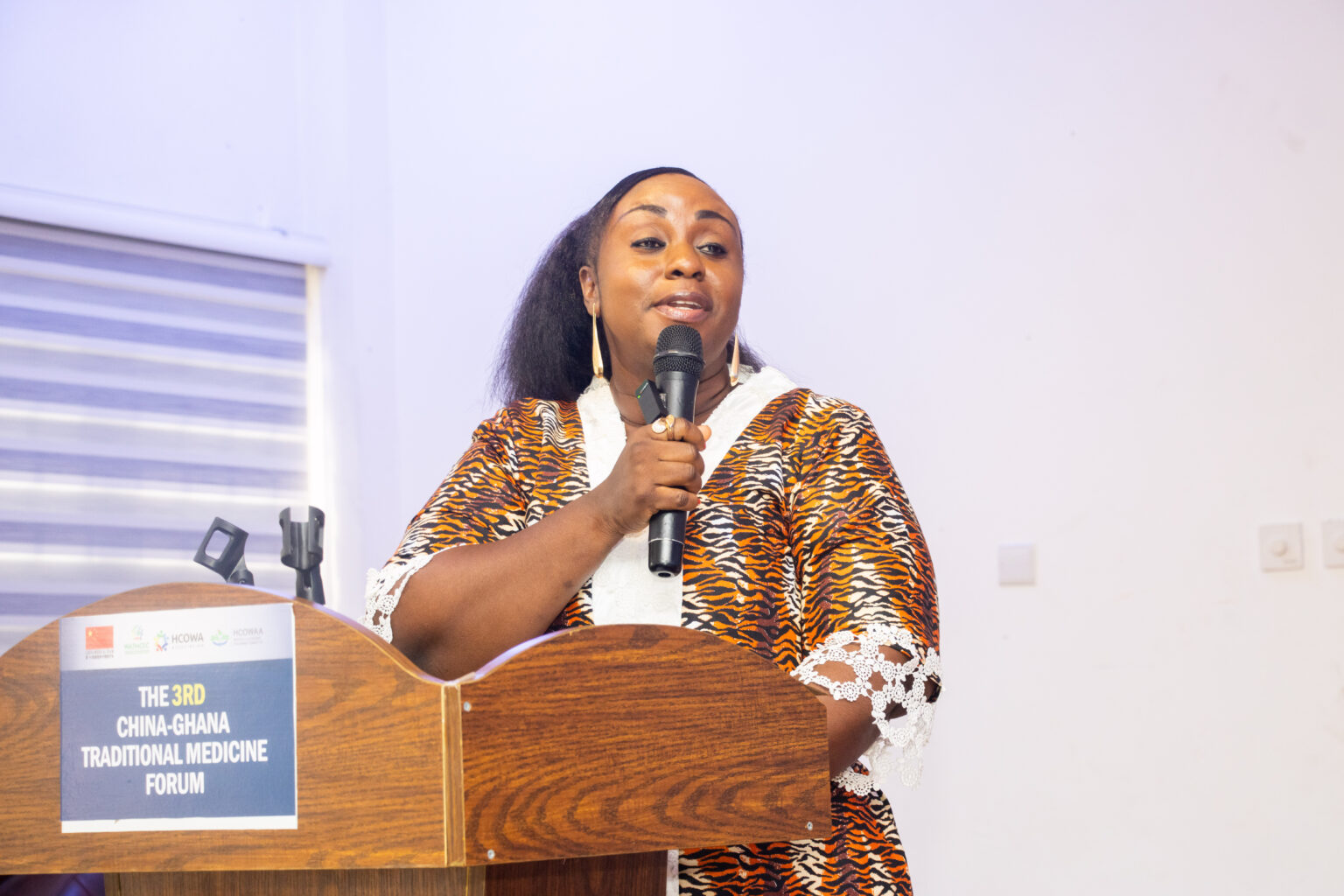
Dr. Mrs. Sandra Ashong, President of the Ghana Association of Medical Herbalists, delivered a speech at the 3rd China-Ghana Traditional Medicine Forum. She framed the mission in urgent, generational terms, stating: “When we speak of women’s health, we speak of families, communities, and generations yet unborn.”

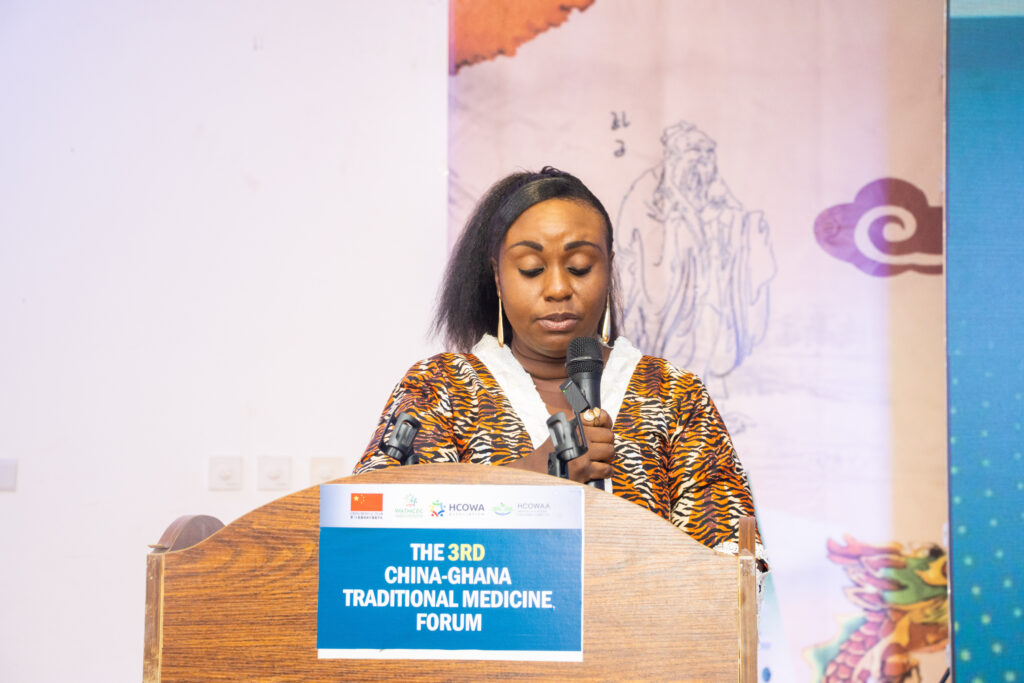
Dr. Ashong detailed the profound legacy of local practice, asserting, “Ghanaian herbal medicine has, for centuries, played a very profound role in supporting women’s health,” managing conditions from menstrual disorders and fertility challenges to pregnancy support and menopause. However, she highlighted critical modern challenges, warning of “Regulatory gaps and inconsistent enforcement which expose women to misinformation and unverified claims especially with what we are seeing on social media.”
The path forward, she argued, is through confident collaboration and validation. “To truly empower women’s health, we must remain open, respectful, and collaborative embracing also complementary and alternative medical systems that are evidence-informed, culturally grounded, and patient-centered.”
Drawing from direct clinical experience, Dr. Ashong provided compelling evidence of successful integration, sharing: “My experience over the years with traditional Chinese medicine i.e., acupuncture therapy, cupping, moxibustion, Tuna etc. has proven successful health outcomes on a lot of women’s health cases at Lekma hospital especially conditions of infertility, weight gain, insomnia and pelvic inflammatory diseases.”
Outlining the evolving role of her profession, she positioned the medical herbalist as a vital frontline caregiver, educator, and preventive health advocate. Crucially, she called for greater female leadership within the field, emphasizing: “Importantly, women must not only be beneficiaries of traditional medicine; they must be leaders, researchers, innovators, and policy makers within it.”
Concluding with a forward-looking vision, Dr. Sandra Ashong declared: “Empowering women’s health through traditional medicine is not a nostalgic return to the past. It is a strategic investment in the future.”
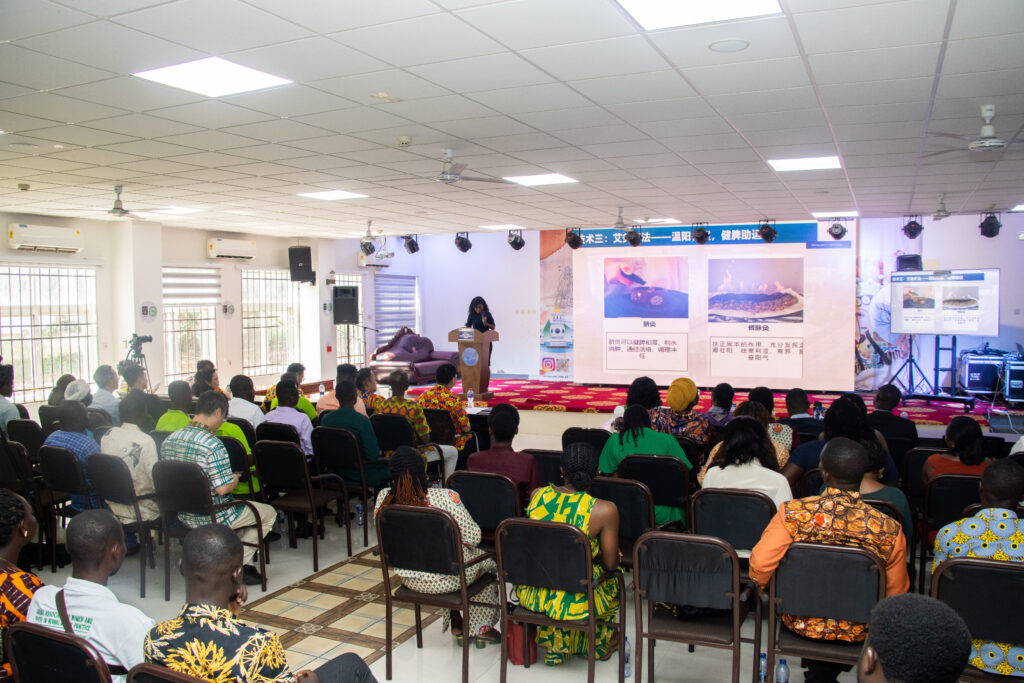
Her address sets a concrete agenda for the forum, urging delegates to build a collaborative, research-backed framework where the complementary strengths of Ghanaian and Chinese medical traditions can create a stronger healthcare ecosystem for women


