








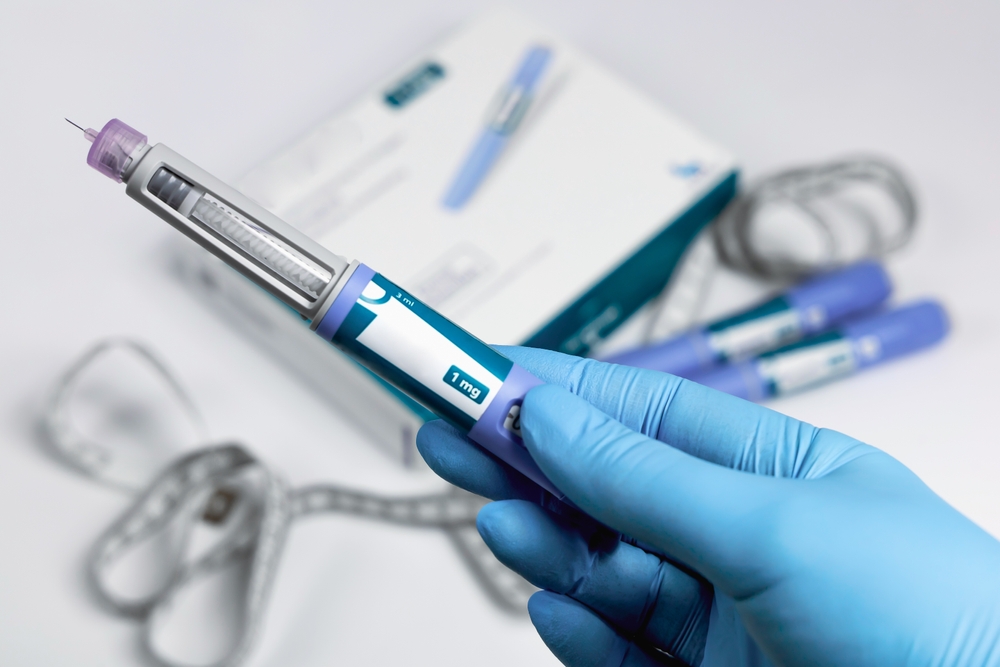


A landmark study of over 333,000 patients reveals that stopping GLP-1 medications like Ozempic erases critical heart-protecting benefits within just six months.
Published Wednesday in the journal BMJ Medicine, the study delivers a stark warning to the millions of people currently taking GLP-1 receptor agonist medications such as semaglutide (Ozempic) and tirzepatide (Mounjaro). While these injectable drugs are widely known for their dramatic cardiovascular benefits significantly reducing the risk of heart attacks, strokes, and other serious heart complications researchers have now confirmed that those benefits vanish surprisingly quickly once patients stop treatment.
What makes the findings particularly alarming is the speed of reversal. According to lead study author Dr. Ziyad Al-Aly, a clinical epidemiologist at Washington University School of Medicine, the body loses its cardiovascular protection roughly twice as fast as it took to build it. Three years of accumulated heart benefit, for example, can be completely undone within just a year and a half of stopping the medication.
Dr. Al-Aly described the phenomenon as a form of “metabolic whiplash” the body snapping back toward its previous high-risk state faster than it originally improved.
Researchers analyzed medical records from patients with type 2 diabetes treated through the Veterans Health Administration, comparing over 132,000 GLP-1 users against 201,000 patients on alternative diabetes medications. Heart risks in the GLP-1 group began returning as early as six months after discontinuation and were nearly fully reversed within eighteen months.
The message from clinicians is clear these medications require long-term commitment to deliver long-term protection. Stopping them, even after years of use, is not without serious consequence.
For patients considering discontinuing treatment, doctors strongly advise consulting their healthcare provider before making any changes.
Source: BMJ Medicine


