








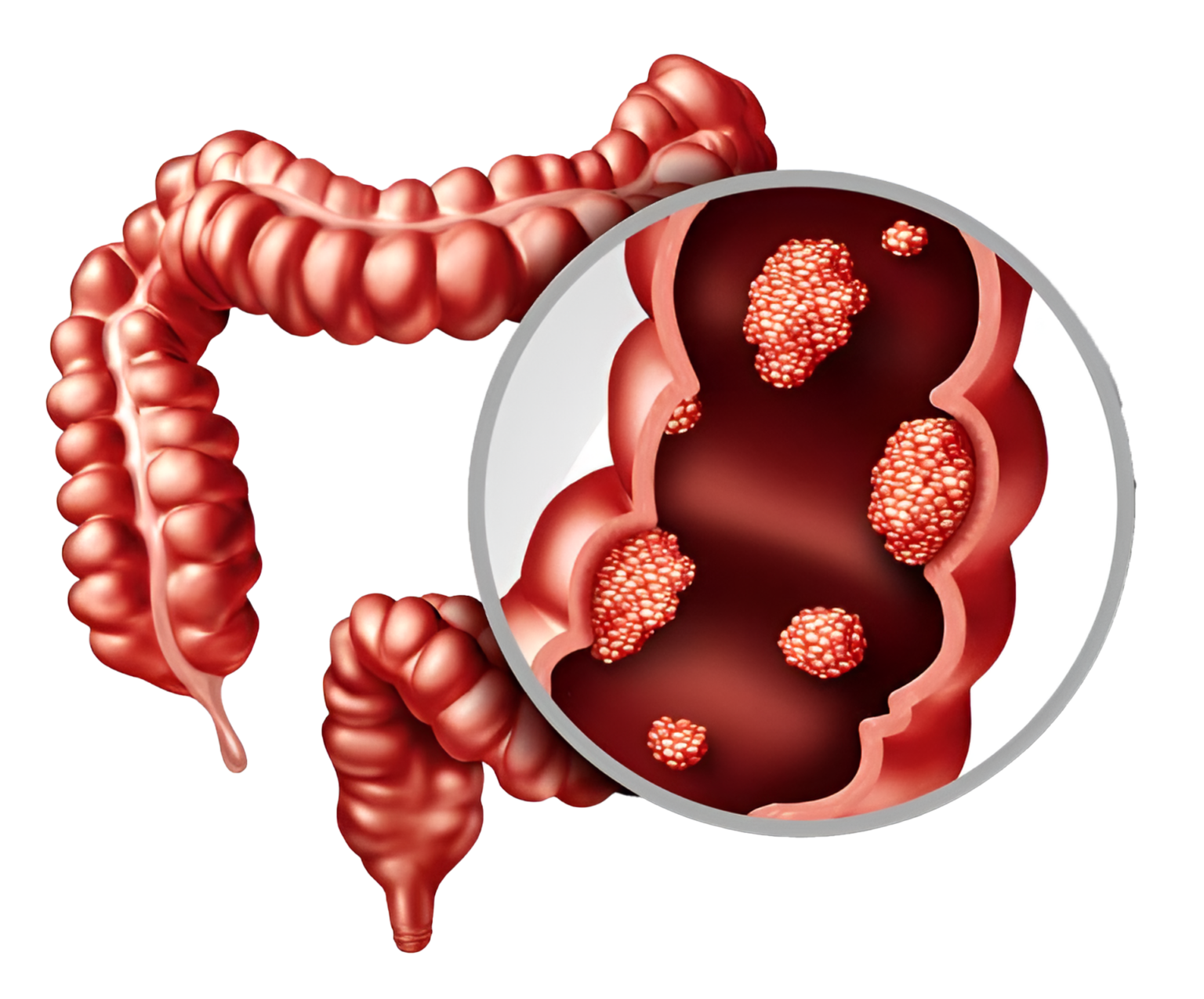


Colorectal cancer is a malignant condition that begins in the colon or the rectum, which together make up the large intestine, the final section of the digestive tract. It is one of the most common cancers diagnosed worldwide, but it is also one of the most preventable and treatable when detected early. Understanding the nature of this disease is the first step toward protecting oneself from it.
The vast majority of colorectal cancers develop slowly over several years. They typically begin as small growths on the inner lining of the colon or rectum called polyps. While most polyps are benign, or noncancerous, certain types can gradually transform into cancer. This slow progression from a polyp to a malignant tumor is a critical window of opportunity. Because of this lengthy timeline, regular screening can effectively catch and remove these polyps long before they ever pose a serious threat.
Several risk factors can increase a person’s likelihood of developing colorectal cancer. Some of these, like age and family history, are beyond our control. The risk increases significantly after the age of fifty, and those with a close relative who has had the disease are at higher risk. However, many risk factors are lifestyle-related. A diet high in red and processed meats, a sedentary lifestyle, obesity, smoking, and heavy alcohol use have all been linked to a higher incidence of colorectal cancer.
In its early stages, colorectal cancer often presents no symptoms at all, which is why screening is so vital. As the disease progresses, symptoms may include a persistent change in bowel habits such as diarrhea or constipation, rectal bleeding or blood in the stool, abdominal discomfort like cramps or pain, a feeling that the bowel does not empty completely, weakness or fatigue, and unexplained weight loss.
Fortunately, there are powerful tools to fight this cancer. Screening tests, particularly colonoscopies, are the gold standard for prevention. They allow a doctor to visualize the entire colon and remove polyps during the same procedure. If cancer is found, treatment depends on the stage and may involve surgery to remove the tumor, chemotherapy, radiation therapy, or targeted drug therapies. With early detection through screening, the five-year survival rate for colorectal cancer is very high, making it a disease for which we have a tremendous ability to intervene successfully.


