










By Marilyn Tiphaine
Meningitis, an inflammation of the protective membranes covering the brain and spinal cord, is a medical emergency often associated with severe headache and neck stiffness. However, one of its most alarming and critical indicators appears on the skin. Recognizing these dermatological signs can be the difference between life and death.
While viral meningitis is more common and often milder, bacterial meningitis particularly the strain caused by Neisseria meningitidis has a profound and dangerous effect on skin health. As the bacteria multiply in the bloodstream, they trigger septicemia (blood poisoning). This leads to damage of blood vessel walls, causing them to leak blood and fluid into the skin tissue.
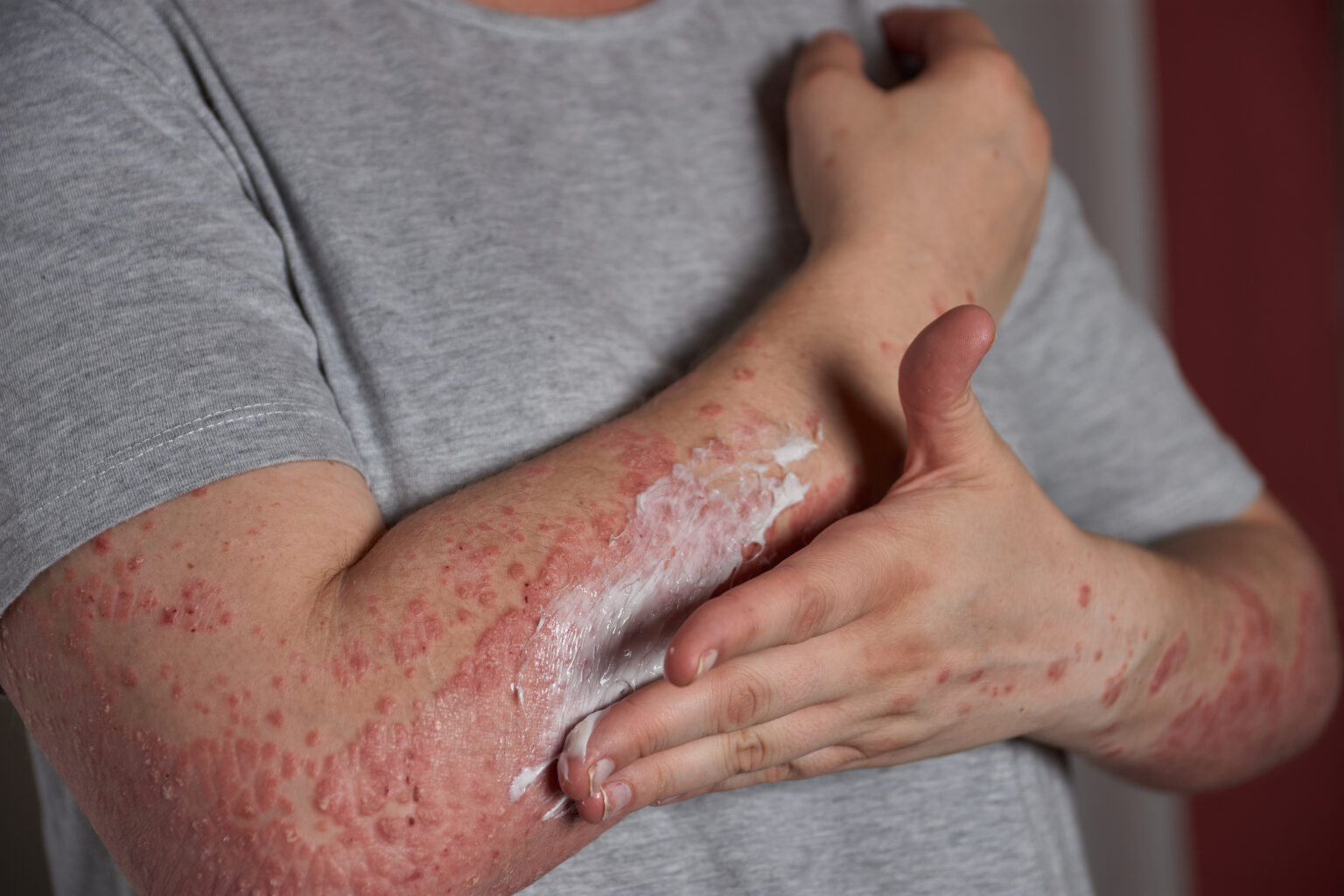
The most recognizable skin symptom is a petechial rash. Initially, it may look like faint pink pinpricks, often on the torso or limbs. Unlike other rashes, these spots do not blanch (turn white) when pressed with a glass a key diagnostic test known as the “tumbler test.” As the infection worsens, these tiny spots rapidly merge into larger, purple bruises called purpura, resembling fresh bruising or patches of discolored skin.
In severe cases, the blood vessel damage can compromise circulation to the skin, leading to tissue necrosis. This causes affected areas frequently the fingers, toes, or extremities to turn dark, blue-black, and mottled, sometimes resulting in permanent scarring or, in extreme instances, requiring amputation. If you or a loved one develops a sudden fever, severe headache, and a rash that does not fade under pressure, seek emergency medical care immediately. Meningitis progresses rapidly. While antibiotics are essential for treatment, the skin acts as a vital early warning system do not ignore what it is trying to tell you.


